
Thought Leadership
Why local authority-led mixed use regeneration is shaping the future of our towns and cities

by AHR
Regeneration is entering a new phase, shaped less by individual schemes and more by long-term stewardship, shared ambition and joined-up thinking.
Across the UK, local authorities have long shaped how places evolve. Now, many are taking a more active and leading role in delivery. Through joint ventures, delivery partnerships and closer collaboration with communities, they are reinforcing their position as vision setters, land stewards and long-term custodians of place. With an increasing focus on social value, this approach is helping to create places that support long-term wellbeing and a strong sense of belonging.
This shift is reinforced by national policy. The Homes England Strategic Plan 2025 to 2030 highlights the need to unlock land, accelerate delivery and support sustainable growth.1 Alongside a renewed focus on local decision-making, it signals a clear direction of travel toward place-led, devolved regeneration. This is further strengthened by recent government proposals to expand devolution, giving mayors and local leaders greater control over funding, planning and housing delivery, alongside increased ability to retain and reinvest local revenue.
A similar shift can be seen in the draft London Plan2, which sets a clearer, more consistent direction for growth across the capital. Greater clarity around density, tall buildings and green belt release is intended to support delivery and reduce uncertainty, alongside new tools such as the sustainable access measure, which link development more closely to how people move through and use places day to day. From our experience, this kind of clarity can be valuable, but it works best when balanced with a strong understanding of local context and community priorities.
This direction is reinforced at a national level through proposed reforms to the National Planning Policy Framework (NPPF), which point toward a more structured, rules-based approach to planning3. With a stronger focus on brownfield development, urban densification and building in well-connected locations, the aim is to help unlock sites and accelerate delivery. For us, this highlights the importance of combining clear policy direction with local insight, collaborative working and a long-term view, ensuring regeneration is not only deliverable, but continues to support communities over time.
Recent industry commentary echoes this shift, noting a renewed focus on regeneration, supported by £46bn in Homes England funding. It also highlights the growing role of local and combined authorities in driving delivery through partnership.4 At the same time, the UK faces a significant and well-documented shortage of housing, particularly affordable and social homes.
Successive governments have sought to increase delivery, with renewed emphasis on funding, partnerships and unlocking stalled sites. However, viability pressures, rising costs and increased regulatory requirements, including the Building Safety Act (BSA), continue to shape what can be delivered and how quickly.
In this context, mixed use development is a practical way to bring forward homes alongside the services, infrastructure and social value needed to support balanced, resilient communities.
For local authorities, this creates an opportunity to lead development that responds directly to local need, ensuring that new homes are part of well-connected, inclusive places where people can live, work and spend time comfortably.
Why mixed use regeneration matters
Mixed use development brings together homes, healthcare, workspace, leisure and civic services in a way that supports everyday life. This integration helps to create consistent activity, supports local economies and improves access to essential services.
Crucially, it also enables more resilient communities. By combining different uses within a single place, local authorities can respond more effectively to changing needs, whether that is demographic shifts, evolving patterns of work or increasing demand for local services. Within this, there remains an important role for well-planned single-use buildings, delivered as part of a wider masterplan and coordinated through a clear council vision.
Housing plays a central role in this approach. The need for new homes, particularly affordable and social housing, is increasingly urgent. The UK Housing Review highlights a long-term decline in social housing, with the proportion of households falling from 31% in 1981 to 17% today, placing increased pressure on other tenures.5
Mixed use regeneration allows this need to be addressed in a more joined-up way. By aligning housing delivery with transport, healthcare, education and public space, it supports not just numbers, but quality of place. For local authorities, this is key to creating communities that are stable, inclusive and able to support long-term wellbeing.
The evolution of the high street and town centres
This shift is most visible in the evolution of town and city centres. Once heavily shaped by retail, high streets are being reimagined as mixed use destinations that support housing, health, leisure, culture and community life.
For local authorities, this creates a platform to lead regeneration in a way that reflects local priorities, while working in partnership with developers and investors to unlock delivery. Creative reuse of existing buildings plays an important role, helping to retain character, reduce carbon and bring activity back into underused spaces.
 Breathing life back into underused spaces
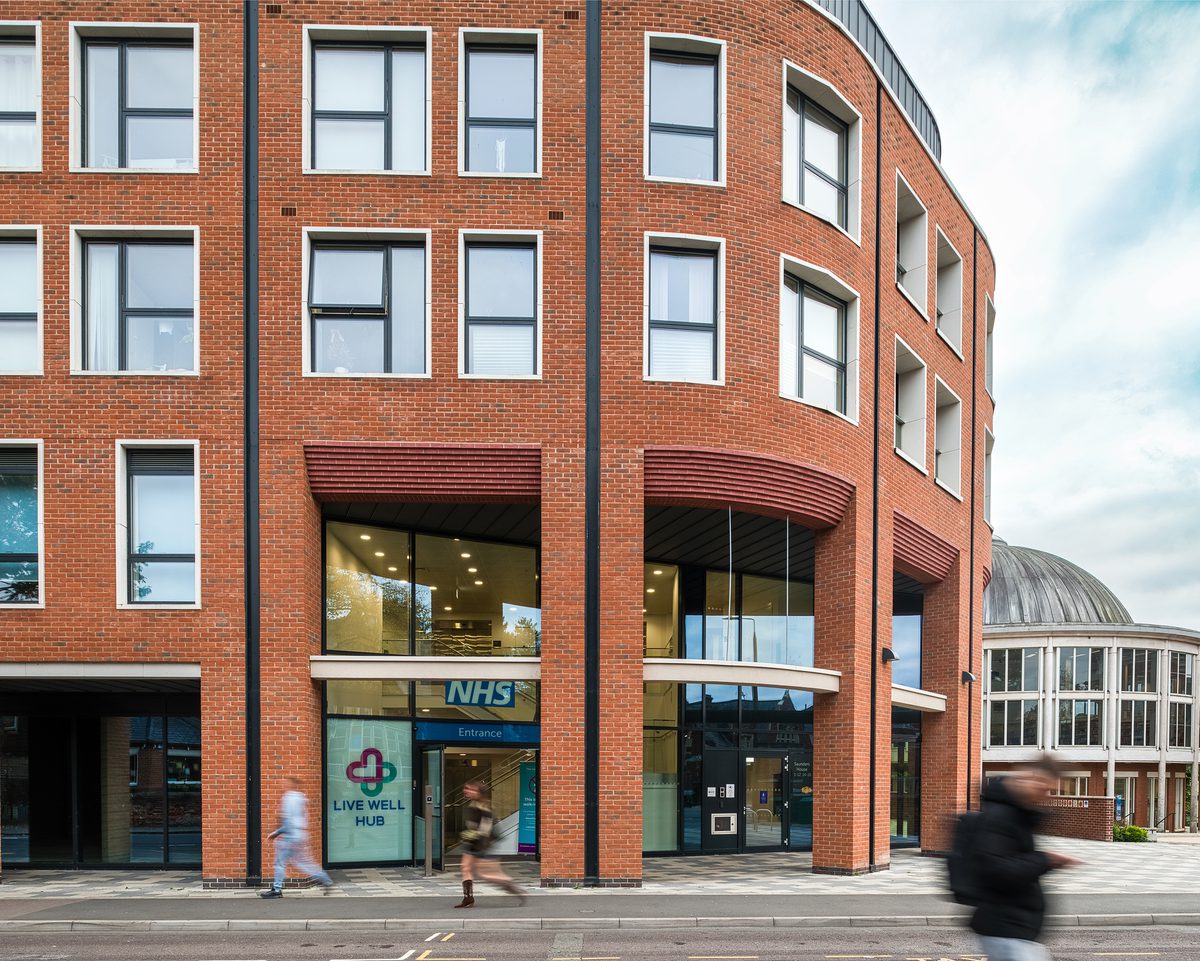
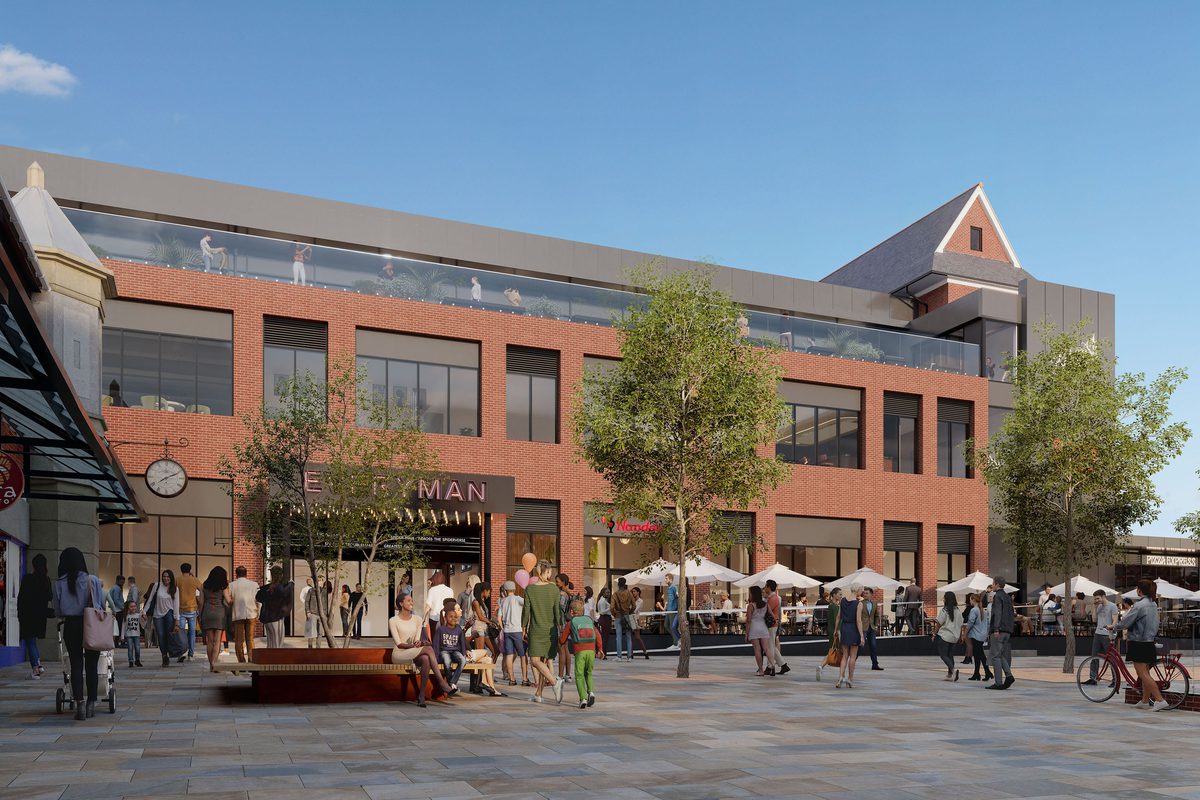
At Victoria Square in Braintree, new homes, healthcare services and accessible public space are brought together to support wellbeing and increase footfall. The integration of health provision within the town centre reflects a growing recognition that social infrastructure can anchor activity and strengthen local identity.
In Lichfield, the transformation of a former Debenhams store into a leisure destination, including cinema, dining and a rooftop restaurant, shows how repurposing anchor assets can diversify use and re-establish the city centre as a place to spend time.
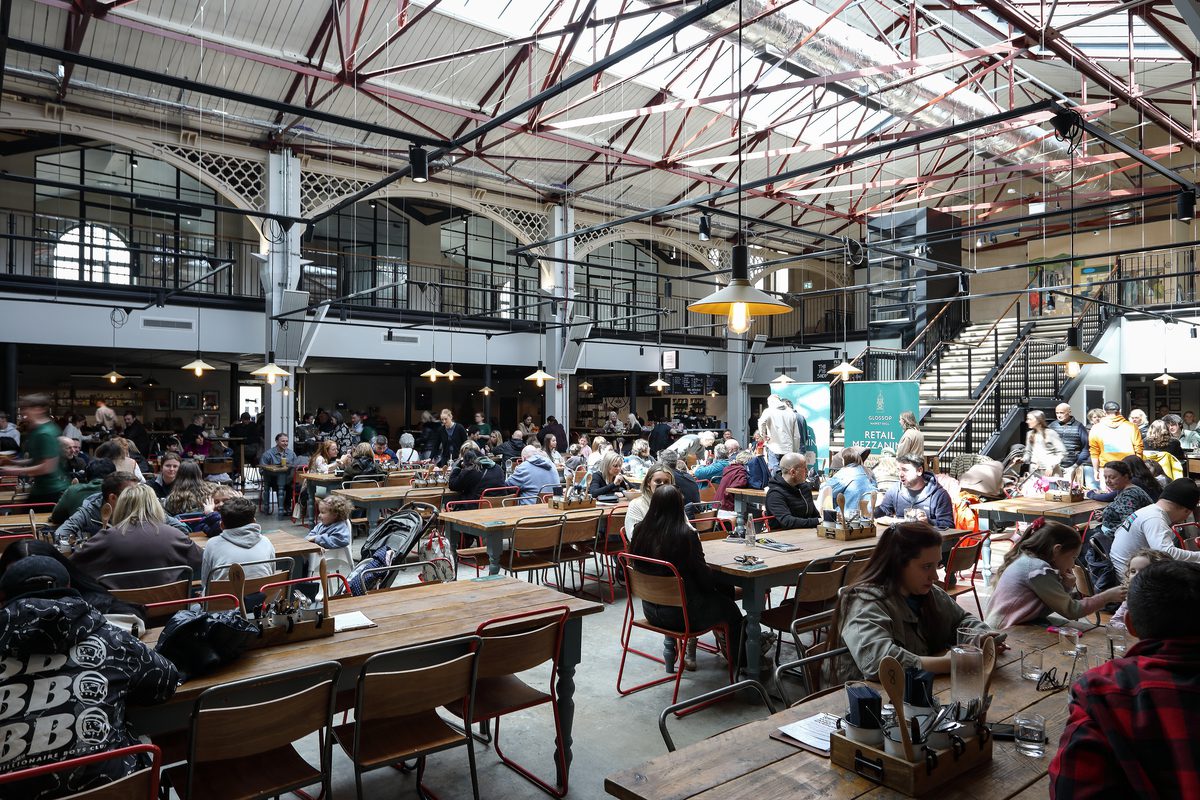
At Glossop Town and Market Hall, regeneration builds on local identity. Historic civic buildings are being adapted into a flexible hub for independent businesses, events and creative industries, supporting the local economy while reinforcing character and sense of place.
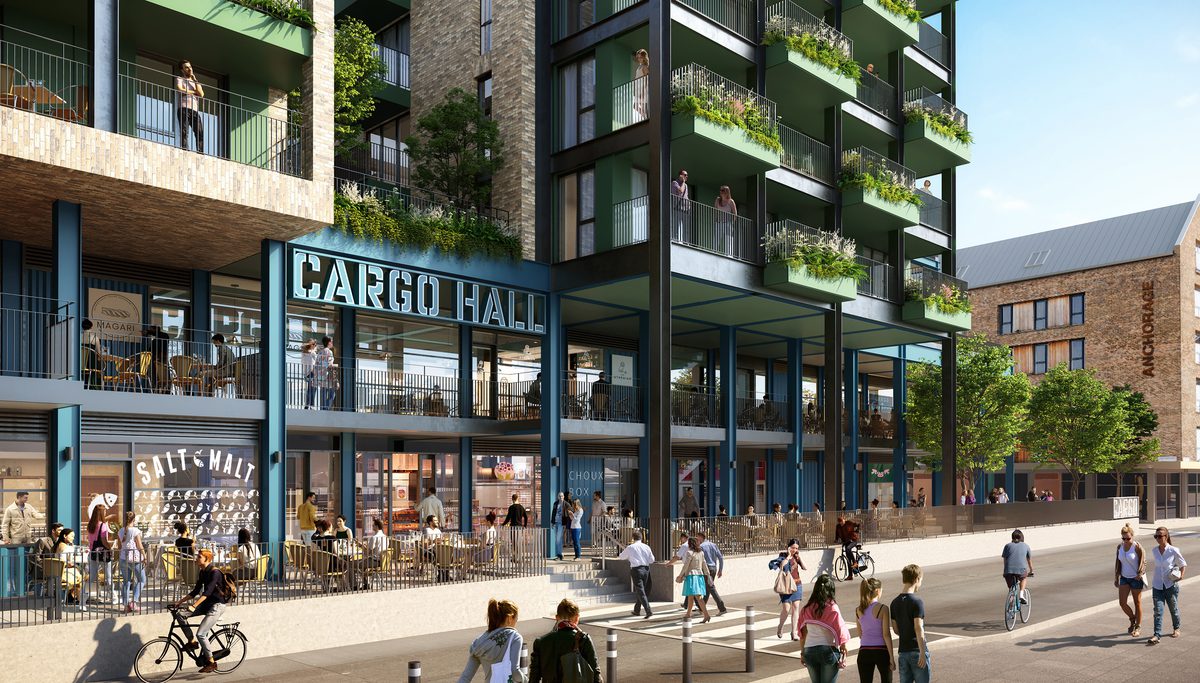
This approach is also reflected in developer-led and joint venture models. At Wapping Wharf North in Bristol, a vibrant mixed use neighbourhood brings together homes, independent retail and food, workspace and public realm, creating a distinctive and active waterfront community.
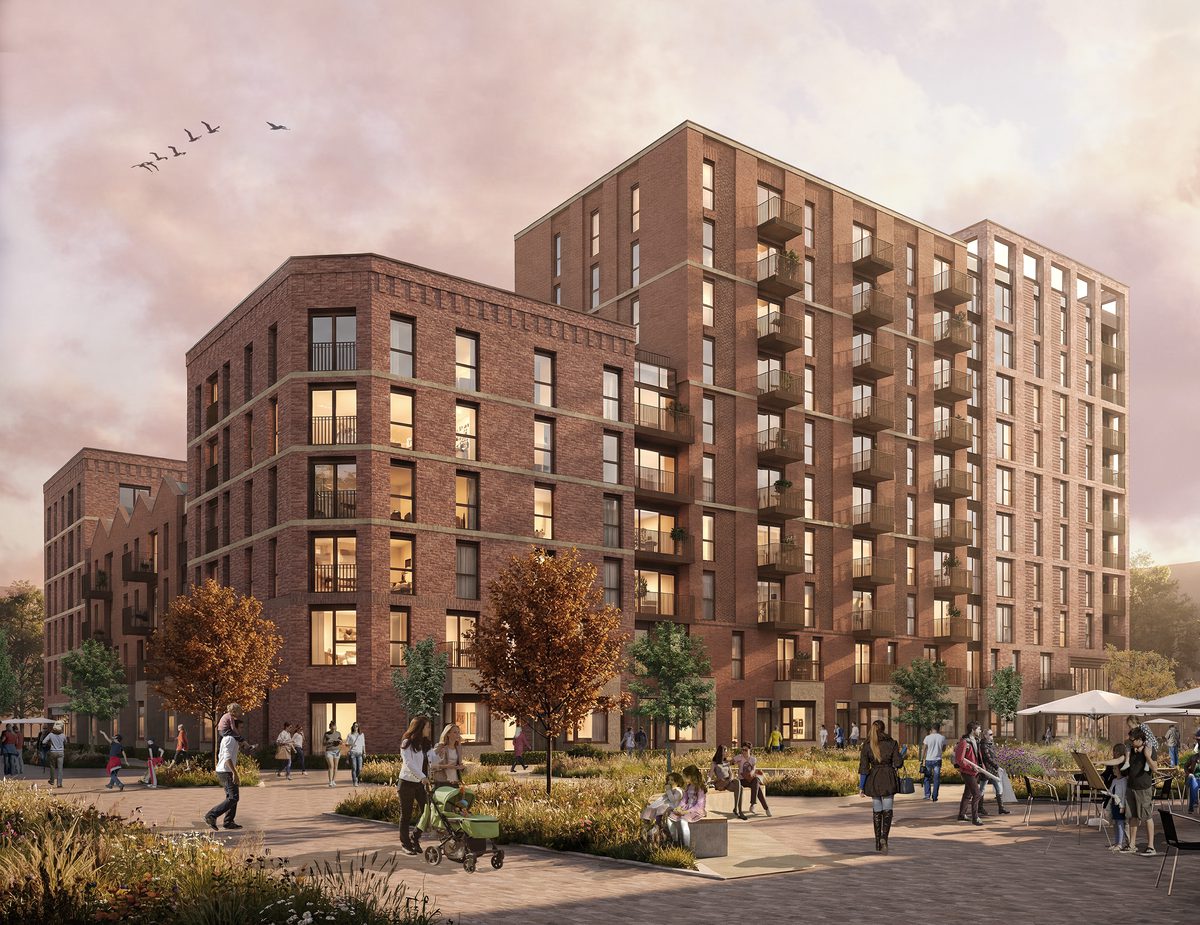
Similarly, through partnership-led regeneration at Stretford Mall, town centre transformation is being delivered through a blend of housing, commercial space and community infrastructure. These models highlight the value of collaboration, with local authorities and delivery partners working together to create places that are viable, inclusive and built for the long term.
In each case, the role of the council remains central, setting the vision, enabling delivery and ensuring that regeneration supports both immediate needs and long-term value.


From vision to delivery
While the opportunity is clear, delivering mixed use regeneration is complex. Balancing ambition with commercial viability remains a key challenge, particularly where affordable housing, public realm and infrastructure must be delivered alongside income-generating uses.
Many sites are constrained, involving existing buildings, fragmented ownership or infrastructure limitations. Others require careful phasing to ensure that value can be realised over time without compromising the overall vision. This is where a joined-up, lifecycle approach becomes essential.
At Broad Street Mall, a former shopping centre is being reimagined as a residential-led, mixed use neighbourhood as part of the wider Minster Quarter regeneration. New homes, retail and public space are being brought together in a way that supports a more diverse and resilient town centre.
Elizabeth Quarter in Scunthorpe was designed as a genuine regeneration initiative, aiming to set a new standard and spark further renewal across the town centre. It brings together flexible workspace with key worker accommodation, alongside a strong focus on wellbeing, biophilic design and inclusive public space. The scheme supports both economic activity and community life, reflecting a more holistic view of regeneration.
At Winsford, a long-term masterplan developed with Cheshire West and Chester Council sets out a framework for change over time. Recognising that retail alone could no longer sustain the town centre, the strategy introduces a broader mix of uses, including leisure, culture and community, while allowing for flexibility as needs evolve.
Reimagining what already exists
Not all regeneration starts with new build. Many of the most valuable opportunities lie in adapting and reusing existing assets.
At the Old Medical School in Leeds, a vacant Grade II Listed heritage asset is being transformed into a Health Innovation Hub, as the first phase of the Innovation Arc Masterplan. Using digital surveying and scan to BIM, our teams have developed a detailed understanding of the building’s structure and condition. This allows for sensitive adaptation, reducing risk while retaining character and embodied carbon.
A similar approach can be seen at Leeds Maths School, where a former office building, within a conservation area, has been repurposed into a new city centre college. Retaining the existing structure supports low-carbon outcomes while introducing new purpose and activity.
In Huddersfield, our building consultants and architects have played a significant role in shaping and enhancing the town, helping to maintain a continued sense of pride and place. This includes:
- The preservation of the culturally important, Byram Arcade, providing conservation services to the Grade II Listed building and Huddersfield’s oldest shopping centre.
- The refurbishment of the Joseph Priestley Building, a 1960s structure, into a bright, collaborative environment while improving energy performance.
- The reimagining of the Grade I Listed Huddersfield Train Station, enhancing the passenger experience while sensitively protecting the station’s unique heritage.
- The conversion of the Grade II Listed Sir John Ramsden Building, one of the oldest surviving warehouses of its type in Britain, into office accommodation for university departments as part of the wider campus regeneration.
- The restoration of Sovereign Design House, the Grade II Listed former foundry bath house, creating a welcoming cafe and exhibition space.
- Close collaboration with Historic England and Kirklees Council to provide a programme of external repairs to the Estate Buildings, a Grade II* Listed Italianate Gothic landmark.
- The conservation of the Grade II Listed George Hotel, bringing the building back into use through careful facade retention and a contemporary extension, delivered in collaboration with a developer and the local authority.
Across each of these examples, one factor consistently underpins long-term success: meaningful engagement with communities and stakeholders.
 A unique understanding of a building's identity
The role of stakeholder engagement
Successful regeneration is rooted in meaningful engagement with the people who know places best. For local authorities, this means moving beyond consultation to genuine collaboration, working alongside communities, residents and local partners to shape proposals that reflect local priorities and lived experience.
Evidence from programmes such as Big Local shows that resident-led approaches can strengthen local economies, improve safety and increase neighbourhood desirability, demonstrating the long-term value of community-led change.6
This reinforces the importance of early and ongoing engagement. By involving people in shaping plans from the outset, it is possible to build trust, strengthen local identity and create places that feel relevant, inclusive and well used.
At AHR, we support this through structured and creative engagement approaches, tailored to each place and community. This can include workshops, co-design sessions and accessible digital tools that help people contribute confidently and meaningfully. Just as importantly, we help translate insight into action, ensuring that feedback is clearly reflected in design and decision-making.
When done well, engagement builds momentum, supports delivery and helps create places that are not only successful on completion, but continue to thrive because people feel a sense of ownership and belonging.
The role of local authorities
Local authorities are uniquely placed to lead this change, bringing a deep understanding of local context, access to land and an interest in the success of the places they help shape. This includes recognising the growing role of culture in regeneration, not as something additional, but as a driver of social and economic value.5 From national programmes to local initiatives, culture-led approaches are helping to strengthen identity, support local economies and build community pride.
As this role continues to evolve, so too does the need for trusted, long-term partnerships. Supporting local authorities is about building lasting relationships that provide continuity, shared understanding and confidence over time.
This approach helps local authorities navigate complexity, manage risk and bring forward ambitious programmes with clarity. By working alongside integrated teams with experience across the full lifecycle of the built environment, they can align vision with delivery, unlock opportunities and respond to changing priorities, including embedding culture, social value and wellbeing into regeneration strategies.
From early feasibility and masterplanning through to delivery, retrofit and long-term asset management, this joined-up support provides consistency and momentum. It enables local authorities to focus on what matters most, creating high quality, resilient places that reflect the needs of their communities, support inclusive growth and deliver long-term value.
Regeneration as long-term stewardship
Successful regeneration is not defined by a single phase of development, but by how well a place continues to perform over time.
Mixed use neighbourhoods, when thoughtfully planned and delivered, offer the flexibility to evolve while maintaining a strong sense of identity. They support healthier, more connected communities and create places people return to, not just pass through.
As the UK continues to move toward a more devolved, place-led model of growth, local authority-led mixed use regeneration will play a defining role. Not simply in delivering new development, but in shaping places that are inclusive, resilient and built to last.
At AHR, we support this journey from early strategy through to delivery and long-term stewardship. We work with local authorities and partners to unlock sites, align stakeholders and create places that improve lives and stand the test of time.
Frequently asked questions
Local authority-led mixed use regeneration is a place-led approach to development where councils take an active role in shaping and delivering schemes that combine housing, workspace, healthcare, leisure and public realm. Drawing on our experience across town centres, neighbourhoods and civic projects, this model enables joined-up thinking across land, funding and community priorities, creating places that are more resilient, inclusive and adaptable over time.
Mixed use development plays a critical role in town centre regeneration by bringing together complementary uses that support everyday life. At AHR, we have seen how combining homes, social infrastructure and commercial activity increases footfall, supports local economies and creates safer, more active places. It also allows town and city centres to evolve beyond retail, responding to changing patterns of living and working.
Local authorities are increasingly working through joint ventures, delivery partnerships and collaboration with developers to unlock complex sites and share risk. We support these models by aligning design, viability and delivery strategies from the outset, helping clients navigate procurement, funding and planning while maintaining a clear vision. This collaborative approach is essential in delivering large-scale, phased regeneration projects.
Placemaking ensures that regeneration is not just about physical development, but about creating places that work for people over time. Our ‘placemaking with purpose’ approach focuses on understanding how people live, move and connect, shaping environments that balance identity, adaptability and long-term stewardship. This leads to places that remain relevant, well-used and valued by communities.
Stakeholder engagement is fundamental to delivering successful and inclusive regeneration. We work with local authorities and communities to co-create proposals through workshops, co-design and digital engagement tools. Evidence shows that resident-led approaches can improve local economies, reduce crime and strengthen community identity, reinforcing the value of early and ongoing collaboration.
Regeneration provides an opportunity to deliver much-needed housing, particularly affordable and social homes, in well-connected locations. We support local authorities in integrating housing within mixed use masterplans, aligning delivery with infrastructure, services and funding streams. This helps create balanced communities while responding to national policy priorities and viability challenges.
Key challenges include viability pressures, complex funding structures, land assembly and increased regulatory requirements such as the Building Safety Act (BSA). We help clients address these through early feasibility testing, coordinated design and technical expertise, and a lifecycle approach that aligns strategy, delivery and long-term asset performance.
We embed sustainability and resilience at every stage of regeneration, from masterplanning to delivery and long-term management. This includes low-carbon design, retrofit strategies, landscape-led approaches and healthy building principles that support wellbeing.
References
- Homes England Strategic Plan 2025 to 2030
- https://www.london.gov.uk/programmes-strategies/planning/london-plan/next-london-plan/draft-london-plan-consultation/draft-london-plan-consultation-resources/draft-london-plan
- chrome-extension://efaidnbmnnnibpcajpcglclefindmkaj/https://researchbriefings.files.parliament.uk/documents/CBP-10964/CBP-10964.pdf
- https://www.bdonline.co.uk/briefing/the-regeneration-rethink-funding-power-and-the-local-leaders-shaping-what-comes-next/5140496.article
- https://www.cih.org/news/2026-uk-housing-review-highlights-continued-impact-of-right-to-buy-on-housing-pressures/
- https://localtrust.org.uk/evidence-insights/research/everybody-needs-good-neighbourhoods-2/
- https://www.local.gov.uk/culture-led-regeneration-case-studies
Posted on:
Aug 13th 2026
Topics:
Share on
Related Articles

Practice News
We’re delighted to announce our successful appointment to Procure Plus’ Framework for Building Safety and Compliance
We're delighted to share our appointment to the four-year framework, where we will support building safety compliance, investigations and remediation across residential portfolios.
Date: 21 Jul 26
by AHR

Awards
Celebrating our shortlisting at the Building Design (BD) Architect of the Year Awards 2026
We're thrilled to announce that we have been shortlisted at the Building Design Awards 2026 in not one, but two prestigious categories.
Date: 20 Jul 26
by AHR

Practice News
We've been named as a supplier on Government Commercial Agency's RM6356 Construction Professional Services 2 (CPS2) Framework
We're pleased to join the CPS2 framework, helping public sector clients access architecture and building consultancy services quickly and with confidence.
Date: 22 Jun 26
by AHR

Thought Leadership
How we're improving lives in a changing residential landscape
Explore how we're shaping future-ready homes through regeneration, retrofit and sustainable design, balancing safety, viability and community-focused outcomes.
Date: 18 Jun 26