Trauma-informed design in practice
Exploring how emotionally intelligent design can shape places where people feel safe, confident and supported, through one of the UK’s first trauma-informed buildings.
overview
How trauma-informed design is reshaping the way we think about places
Across health, education and civic environments, many buildings still prioritise efficiency, compliance and output. Yet for the people who use them every day, how a place feels can be just as important as how it functions. Noise, lighting, layout and a lack of clarity can quietly increase stress, reduce confidence and make everyday interactions more demanding than they need to be.
At AHR, we believe places have the power to positively influence how people feel, connect and thrive. Trauma-informed design (TID) builds on this belief by recognising that environments shape emotional responses, behaviours and wellbeing. By designing for psychological safety, sensory comfort and choice, we can create places that support people through a wide range of lived experiences, not just those who identify with trauma.
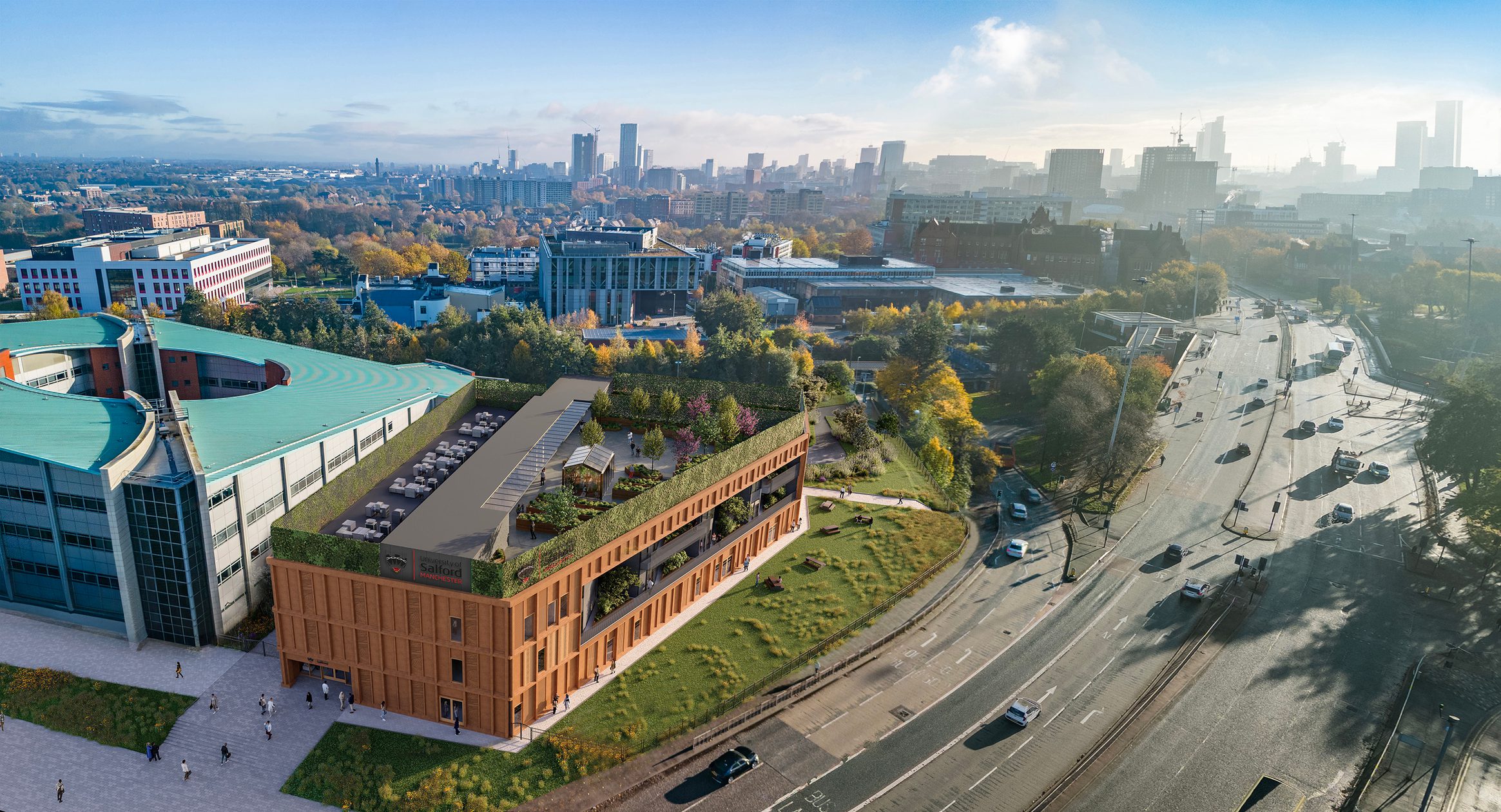
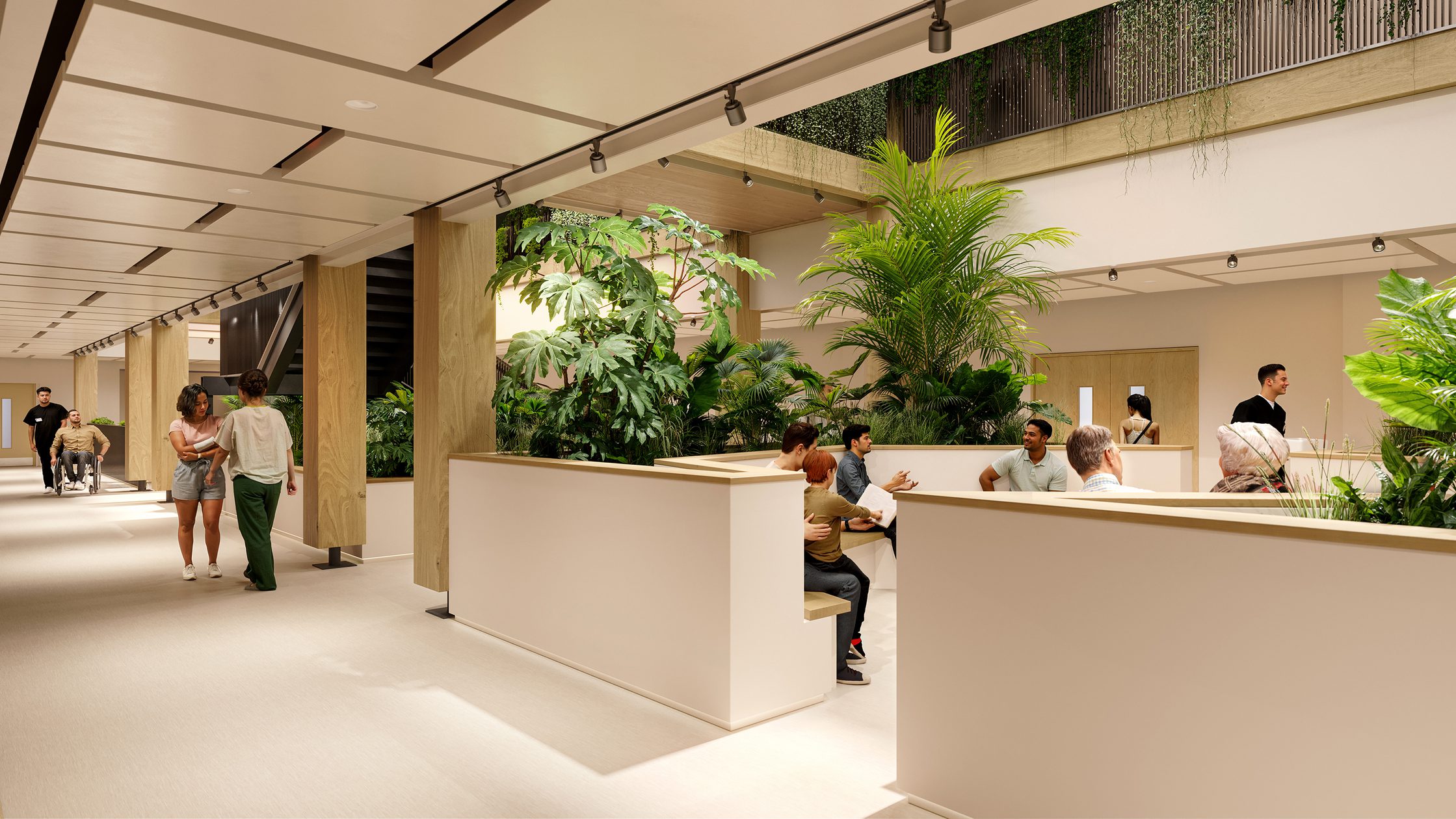
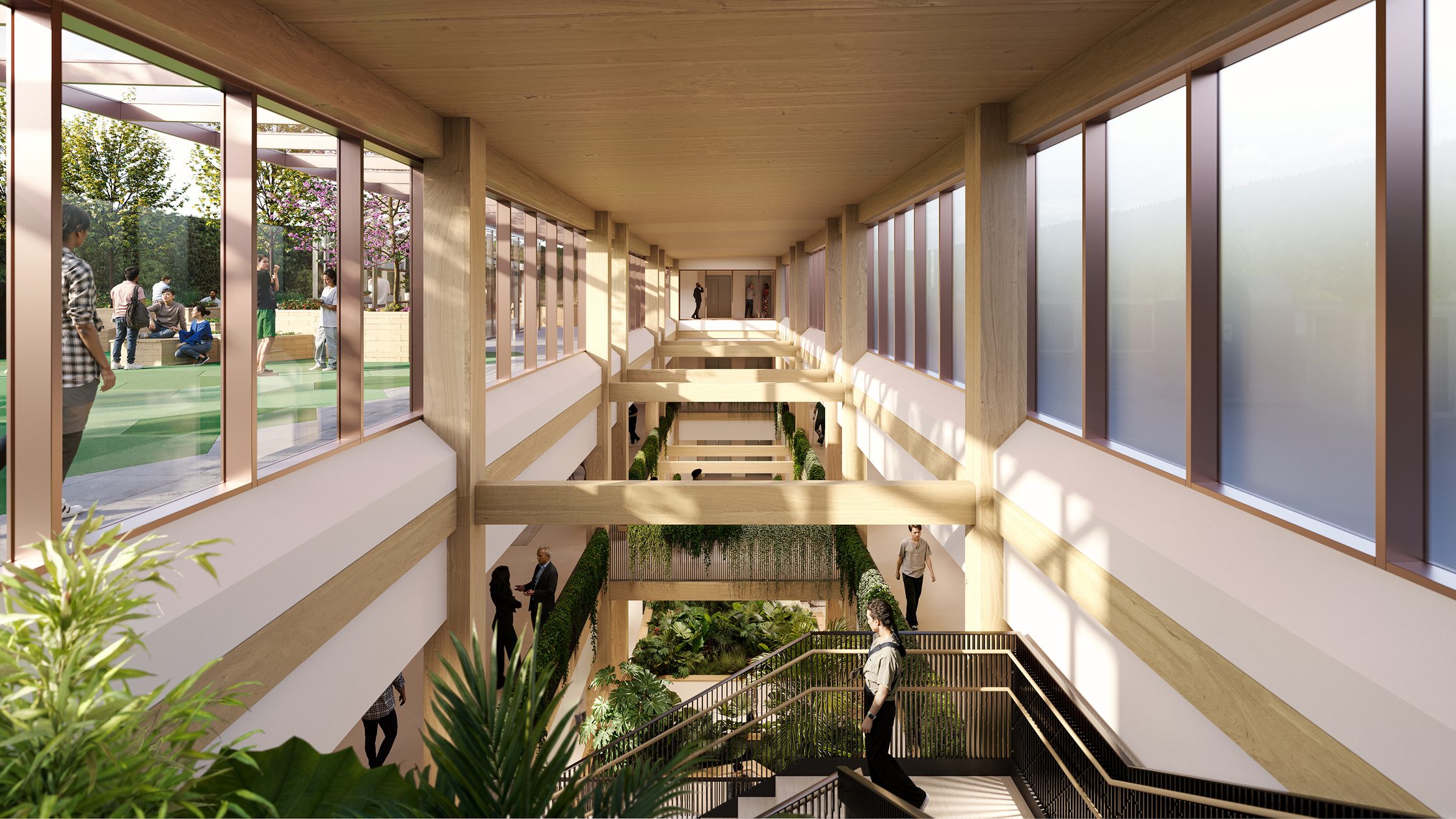
To explore how these principles can be applied in practice we worked in partnership with the University of Salford on Thrive Health and Wellbeing Centre – one of the UK’s first trauma-informed buildings. The project gave us the opportunity to test ideas, challenge assumptions and translate theory into built reality.
The insights from this work are captured in our white paper, which offers practical, evidence-informed guidance for anyone shaping environments where wellbeing matters.
case study
Thrive Health and Wellbeing Centre
This project gave us the opportunity to ask different questions about design. Instead of focusing solely on function, we looked closely at how a space can support psychological safety and how subtle details can help people navigate their day with greater confidence."
Professor Victoria Halliwell
Pro Vice-Chancellor and Dean of School of Health and Society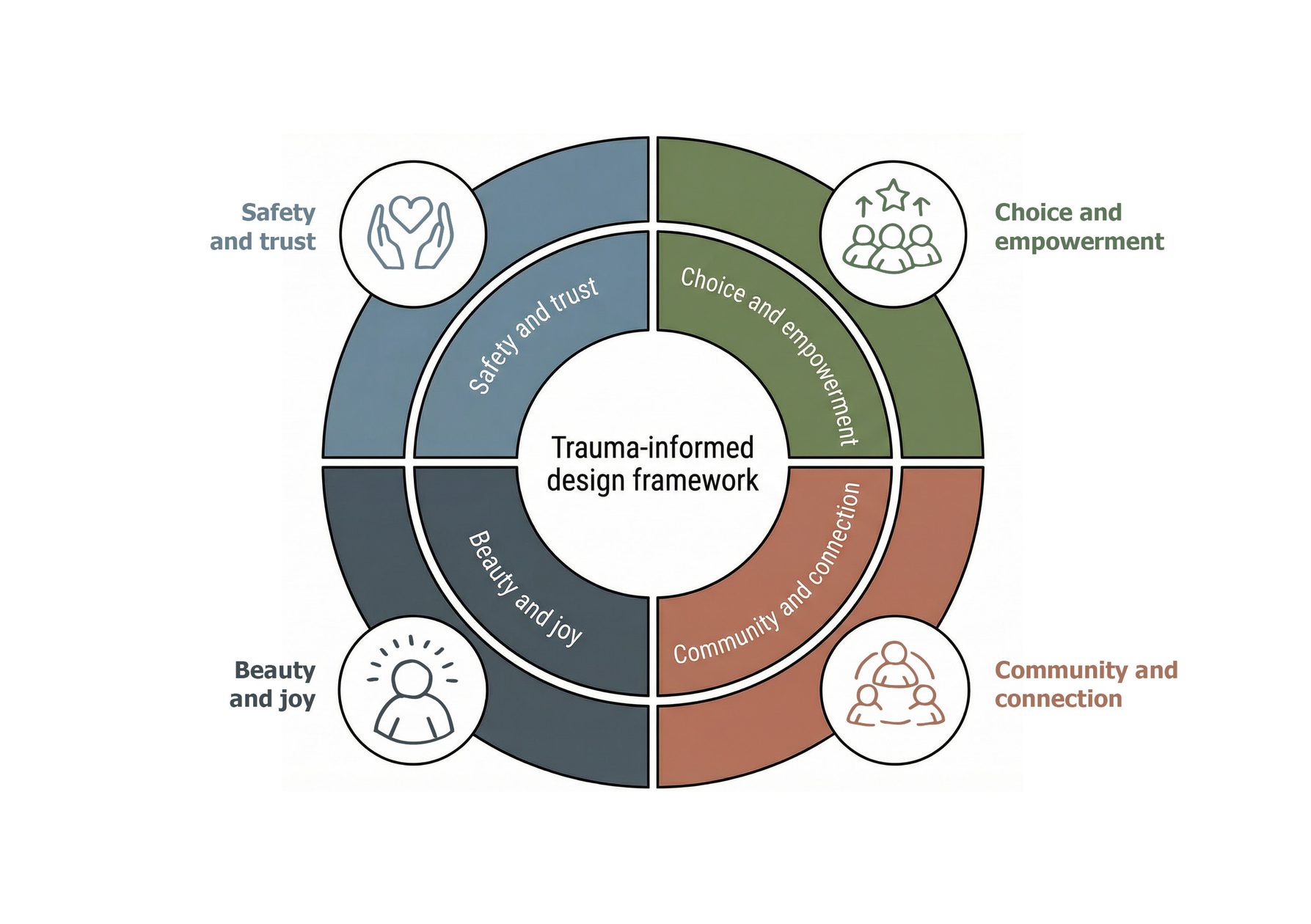
context
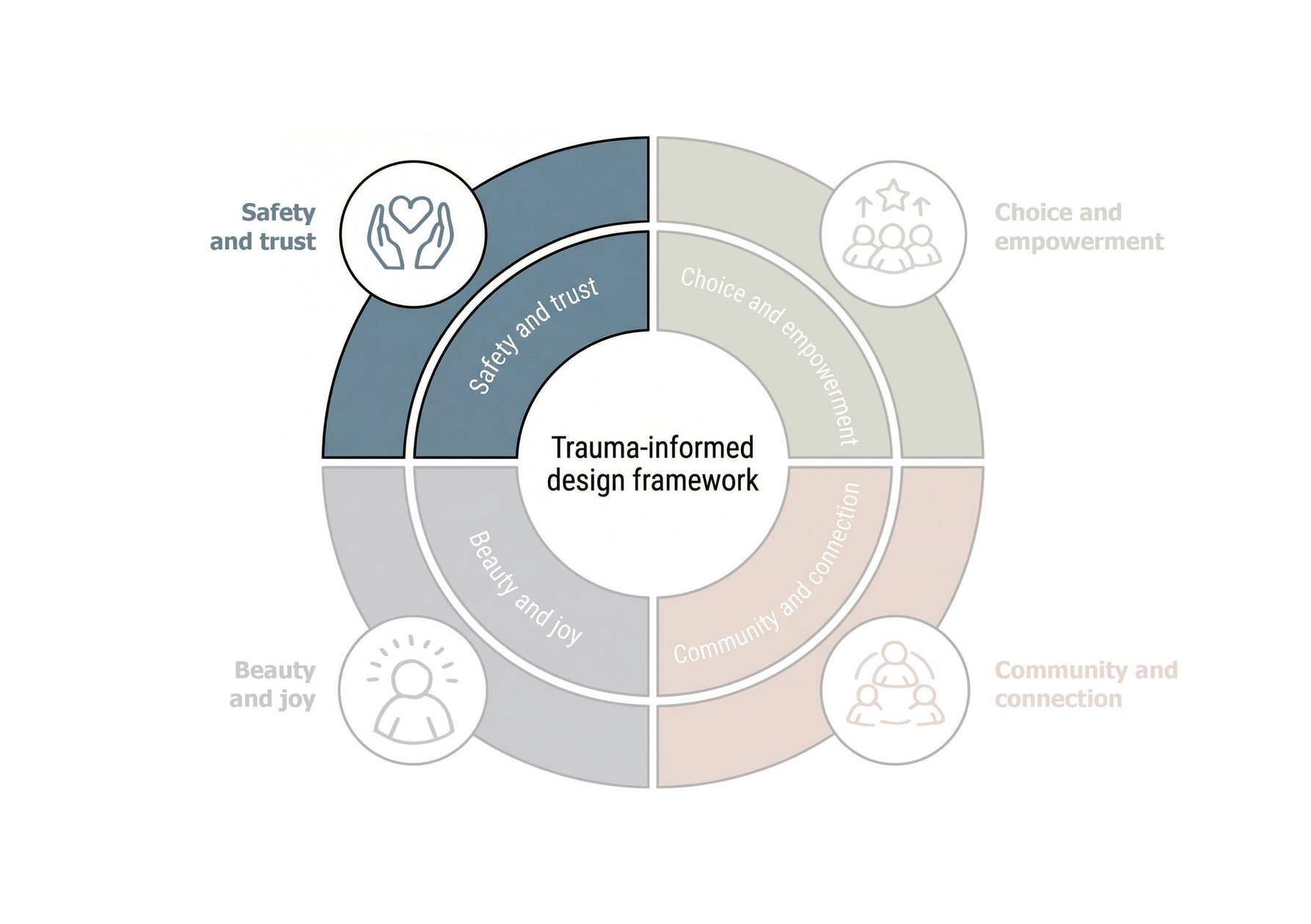
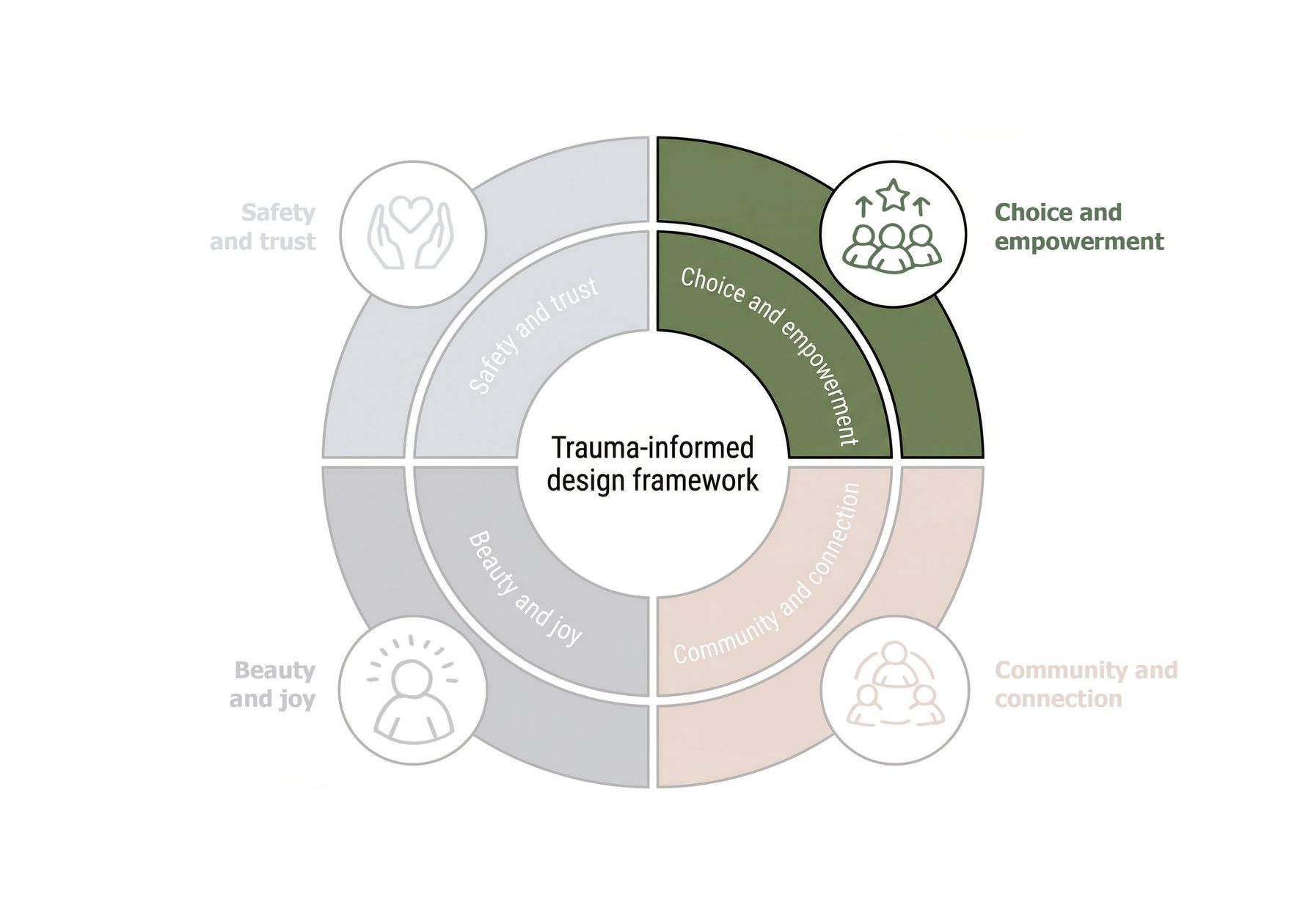
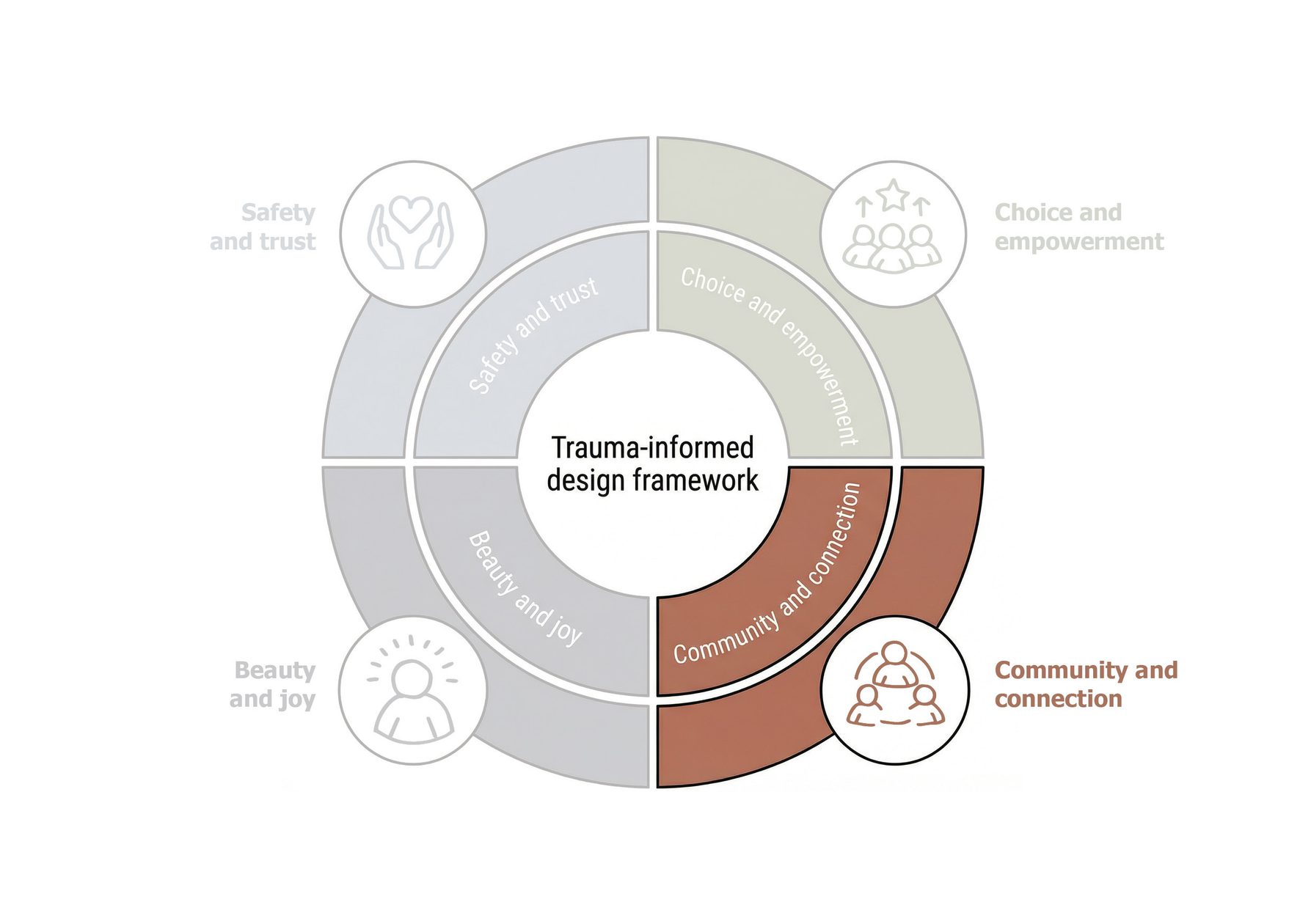
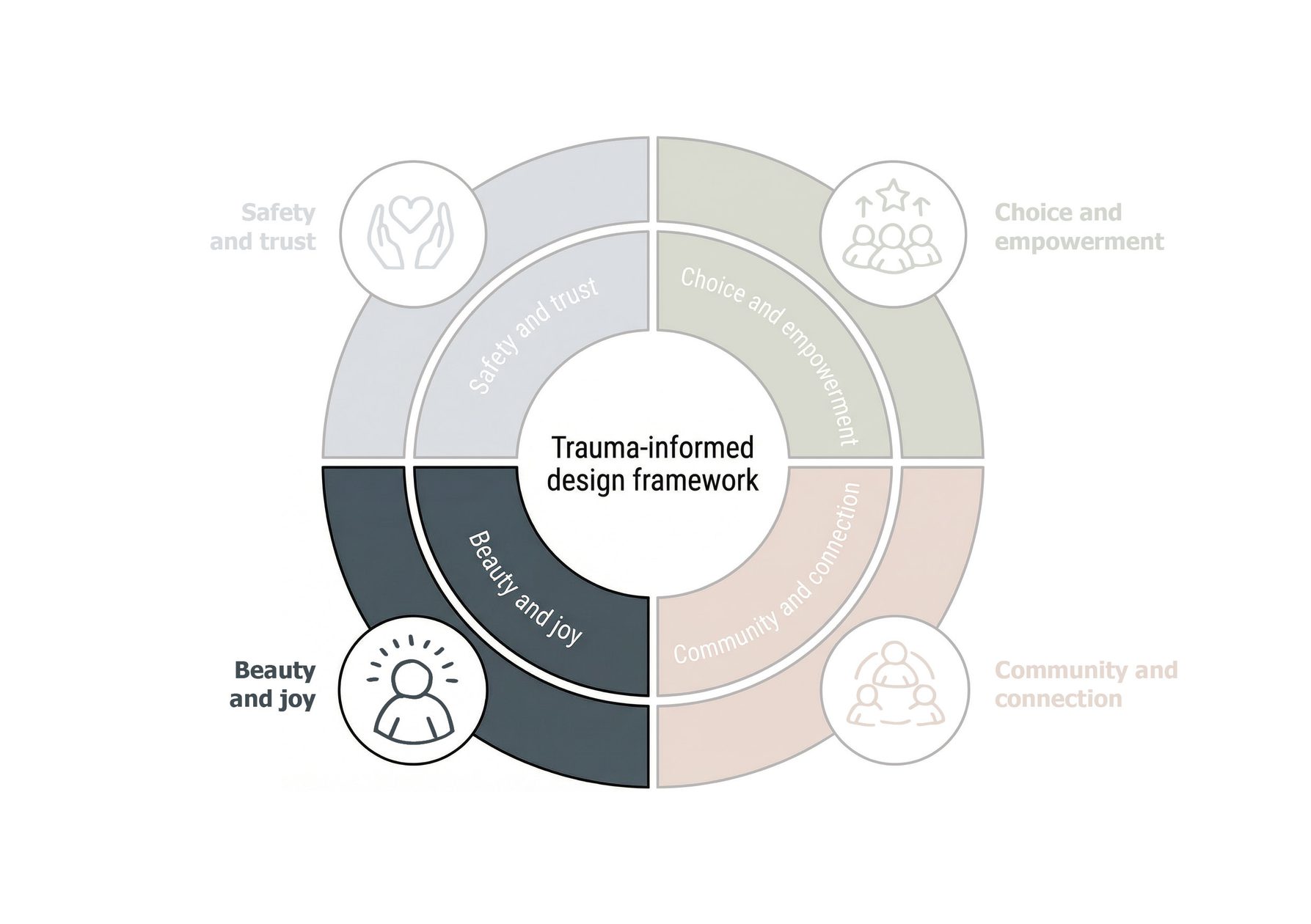
What do we mean by trauma-informed design?
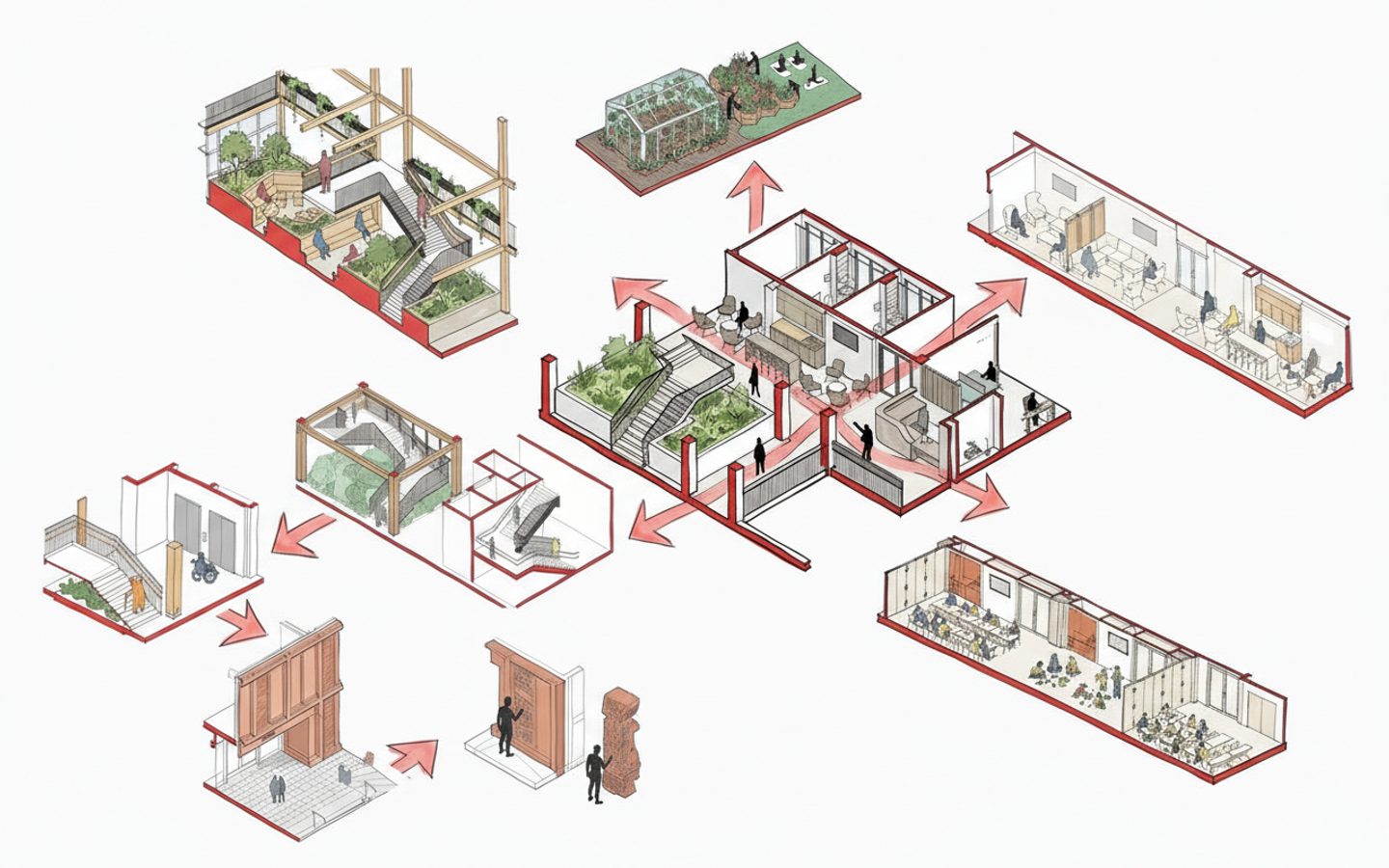
explore each principle in practice


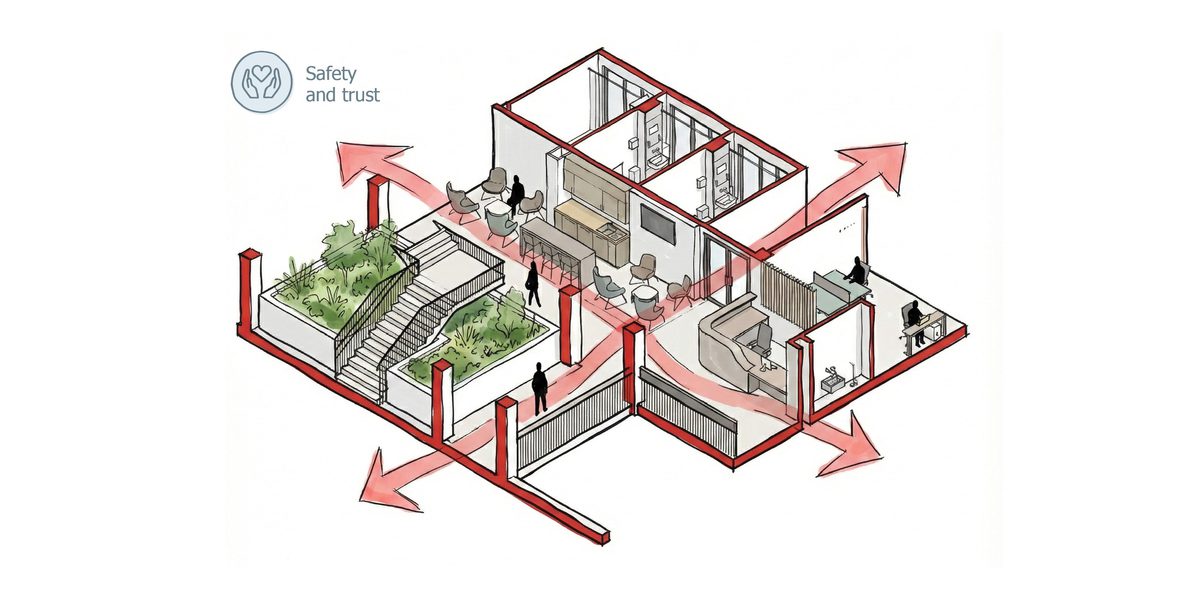
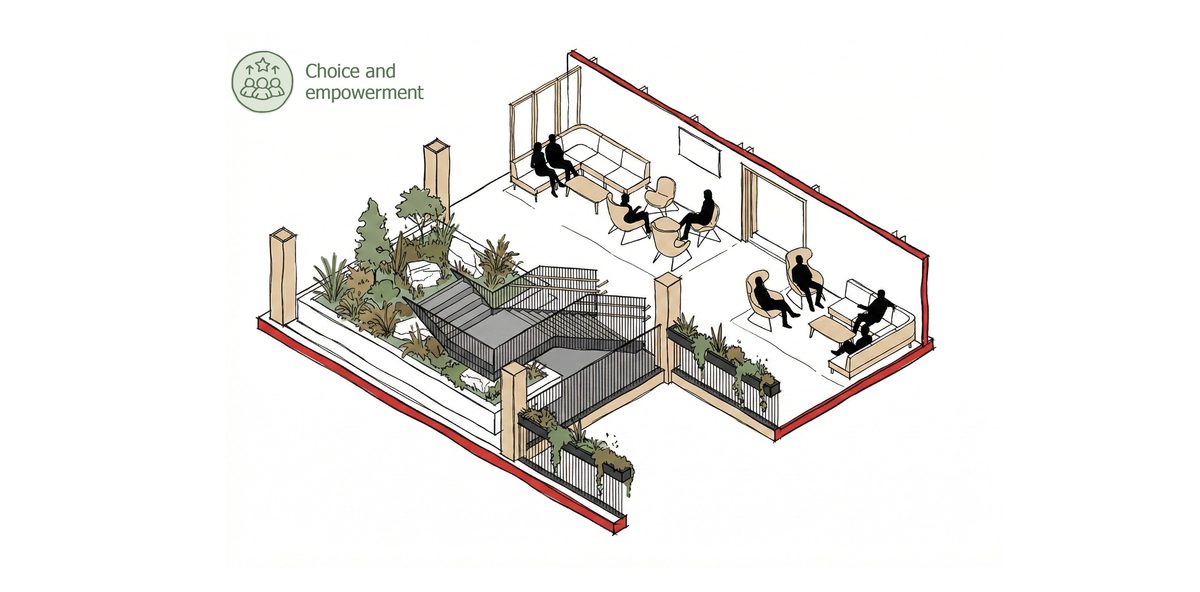
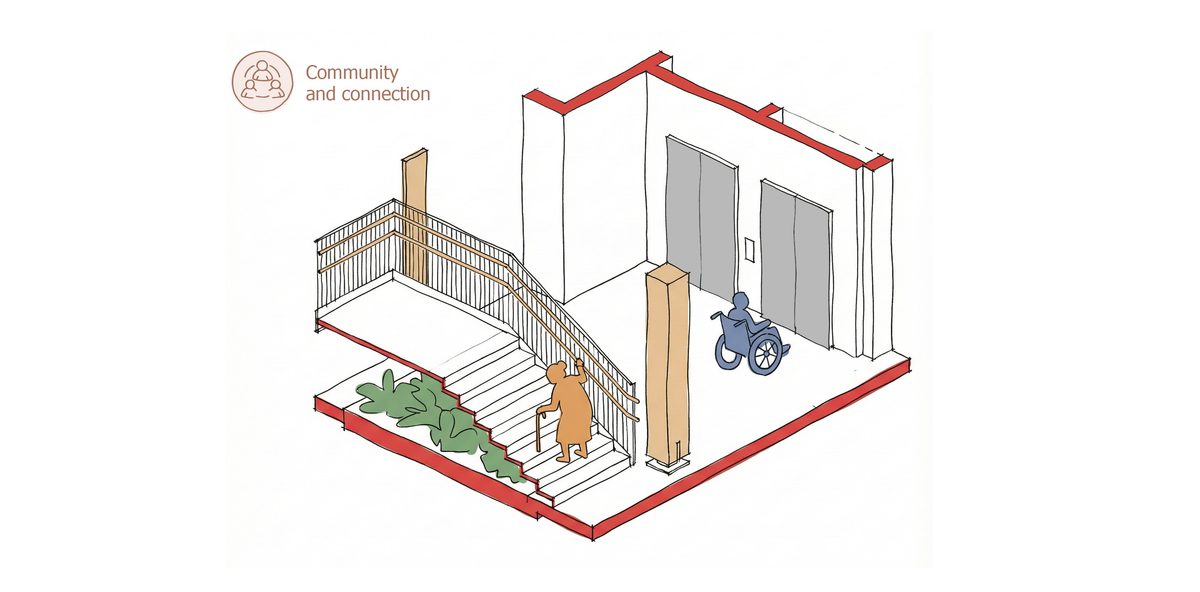
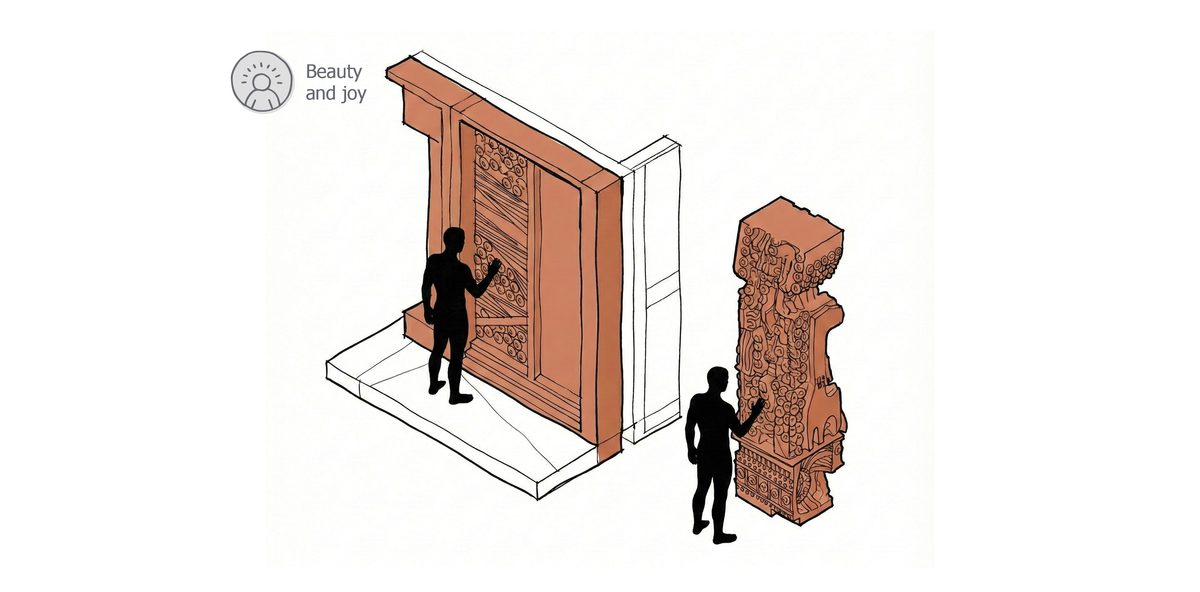
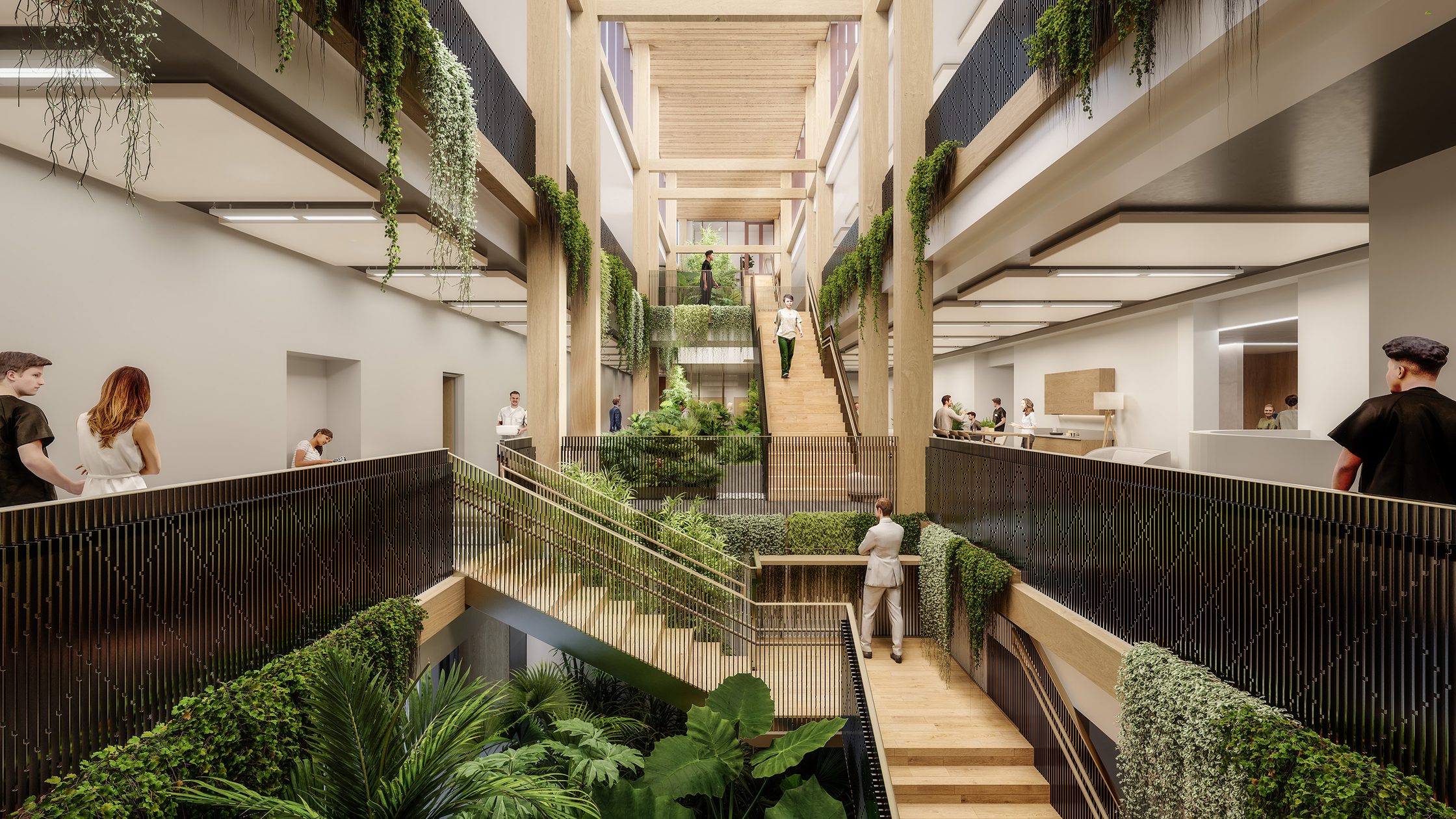
This framework gave our team a shared language and helped us translate psychological needs into spatial qualities. The result is intuitive circulation routes that offer clear choices, generous sightlines that help people feel secure, and natural light that creates connection to the outside world while maintaining privacy."
Robert Hopkins
Project Director and Head of Sustainabilityour expertise
Learn more about trauma-informed design
Dive deeper into trauma-informed design through our thought leadership articles, podcast conversations with Victoria and our team leading this work and stay current with the latest industry news.

Thought Leadership
Designing for safety, dignity and belonging: Reflections from Learning Places Scotland 2025
Learn how trauma-informed and biophilic design create healthier, inclusive education environments, showcased by the Thrive Health and Wellbeing Centre at the University of Salford.
Date: 26 Nov 25

by Robert Hopkins
Director, Architecture

Project News
Introducing the University of Salford's landmark building, Thrive Health and Wellbeing Centre
Discover how our design for the University of Salford's Thrive Health and Wellbeing Centre combines trauma-informed design, biophilia, specialist clinical teaching spaces and community access.
Date: 26 Nov 25

by AHR

Podcast
How is trauma-informed design transforming university spaces?
Guest Speakers: Robert Hopkins, Stefan Harris and Vicky Halliwell.
Date: 29 Aug 25
Hosted by Robert Hopkins
Director, Architecture
read our white paper
Evidence, frameworks and practical guidance
Our white paper brings together research, lived experience and real-world delivery. It explores how trauma-informed design can be applied across sectors, from healthcare and education to civic and community environments. Whether you are responsible for shaping strategy, delivering projects or managing estates, you’ll find practical guidance you can apply to your own spaces.
If you’d like to explore how trauma-informed principles could support your own projects or estates, we’d love to continue the conversation. Get in touch here
related projects
Explore our work shaping inclusive and meaningful design

Daphne Steele Building
WELL Platinum certified university building setting new standards in wellbeing, sustainability and low-carbon design in higher education.

The Countess of Chester Hospital Women and Children’s Building
The new, net zero carbon in operation Women and Children’s Building reimagines maternity and neonatal care for the region, setting a new benchmark for patient-centred healthcare design.

The Spine
Our design utilises pioneering research in innovative ways, creating an exceedingly positive and responsive workplace that will be one of the healthiest workplace environments in the world.

Emily Siddon Building
Part of the University of Huddersfield's National Health Innovation Campus, with state of the art teaching and NHS diagnostic spaces.