
Thought Leadership
How we're improving lives in a changing residential landscape

by AHR
There’s a growing focus across the residential sector on how we shape, adapt and deliver better homes in a landscape that feels increasingly complex and fast-moving.
Many of the conversations taking shape right now reflect the pressures and opportunities we encounter day to day. Whether reimagining neighbourhoods rooted in place and community life, or maintaining viability in uncertain market conditions, there is a clear sense of momentum and possibility.
We are also seeing a shift towards housing-led regeneration, with renewed focus on revitalising town centres and creating places that feel connected, inclusive and resilient. Our multidisciplinary approach brings together placemaking insight and technical expertise, helping to shape regeneration that delivers lasting community benefit in ways that are both practical and inspiring.
Alongside this is the ongoing challenge of balancing safety, alongside a growing understanding that early design decisions have a lasting impact on how homes perform. From sustainable homes to compliant developments, our focus remains on delivering viable solutions across the full residential spectrum, supported by strong partnerships between local authorities, registered providers, developers and investors.
These are areas where we are actively working every day. Our teams support projects from early strategy through to delivery and post-occupancy, helping clients navigate complexity with confidence while keeping people and communities at the centre.
The conversations happening across the industry reflect what our clients are navigating every day, balancing viability, sustainability and building safety while still delivering homes that people want to live in. For us, it starts with a clear, people-first approach to design, but it is equally about how those homes perform over time."
David de Sousa
Director, ArchitectureUnlocking housing delivery through partnership and regeneration
Partnership is central to unlocking housing delivery, particularly on complex regeneration and brownfield sites. We work closely with local authorities, registered providers, developers, investors and joint venture partners to navigate funding, governance and delivery models alongside design development and technical coordination. This includes supporting routes such as public private partnerships, development agreements, land promotion and Homes England funding, while aligning planning strategy, viability and programme.
Projects such as Academy Way in Warrington highlight how joint venture structures and Homes England-supported initiatives can bring forward new homes as part of wider regeneration. By aligning public and private sector priorities, these approaches help unlock constrained sites, de-risk delivery and respond to planning requirements, while creating viable, long-term development opportunities that support local housing need.
This same collaborative approach underpins regeneration schemes such as Broad Street Mall in Reading and Stretford Mall in Manchester. Here, new homes are carefully integrated to support town centre renewal, increase footfall and deliver mixed use neighbourhoods that feel active, inclusive and connected to their communities.


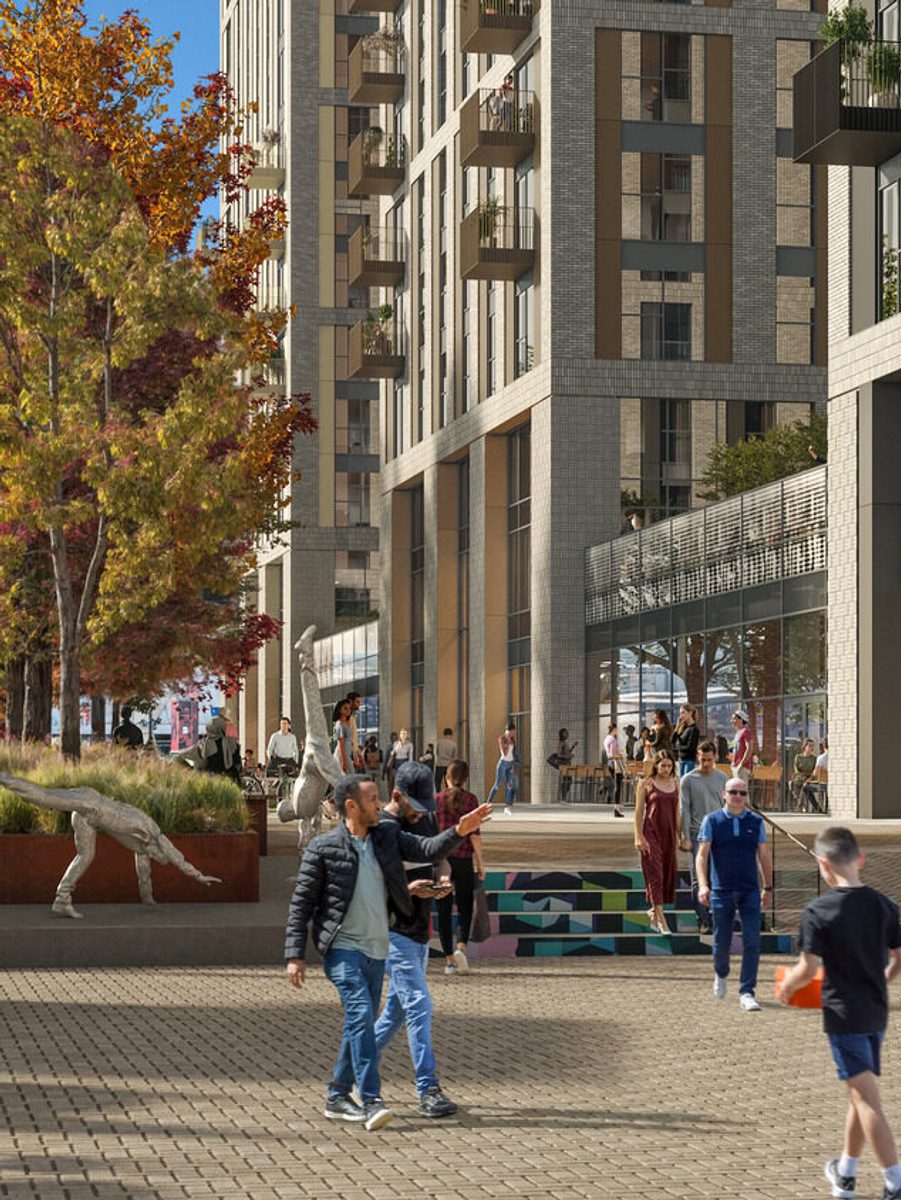
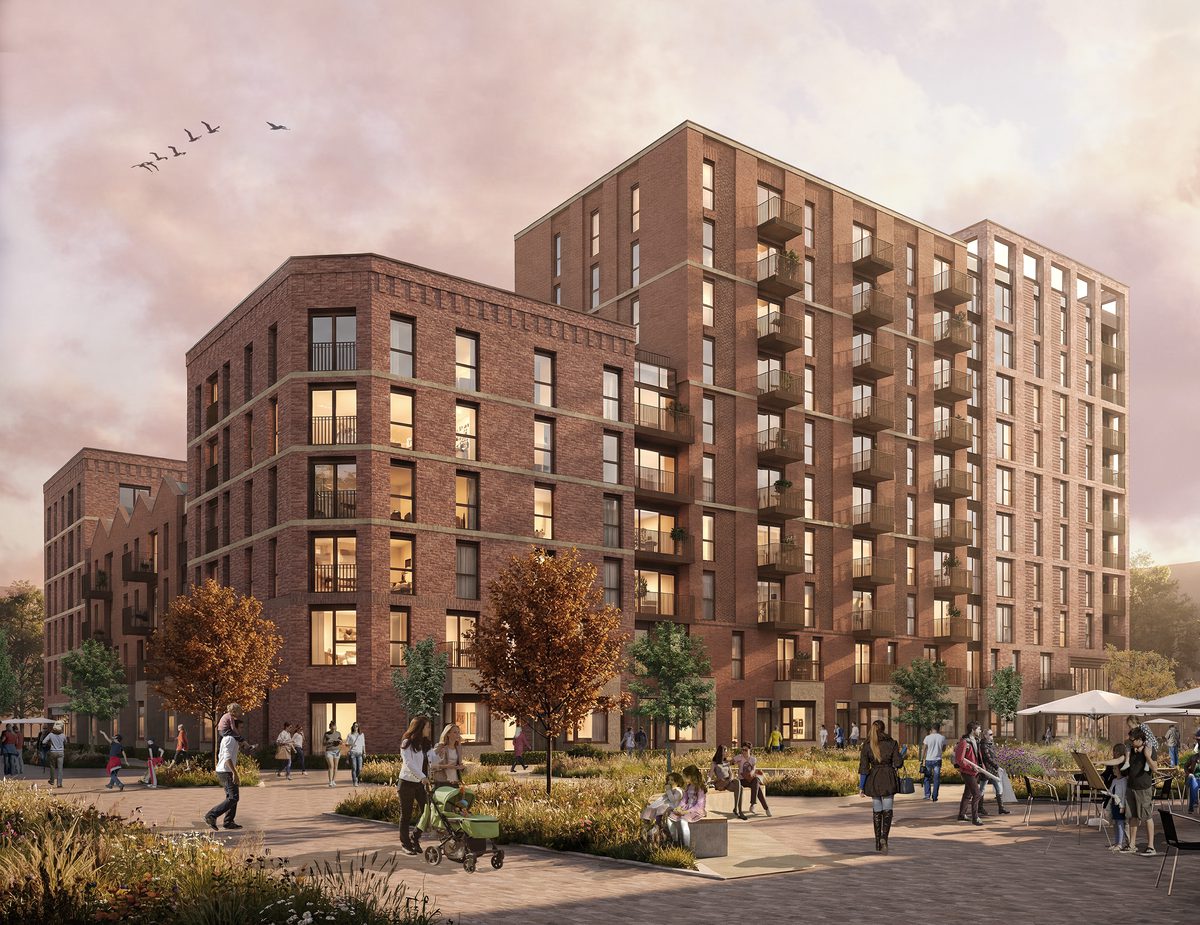
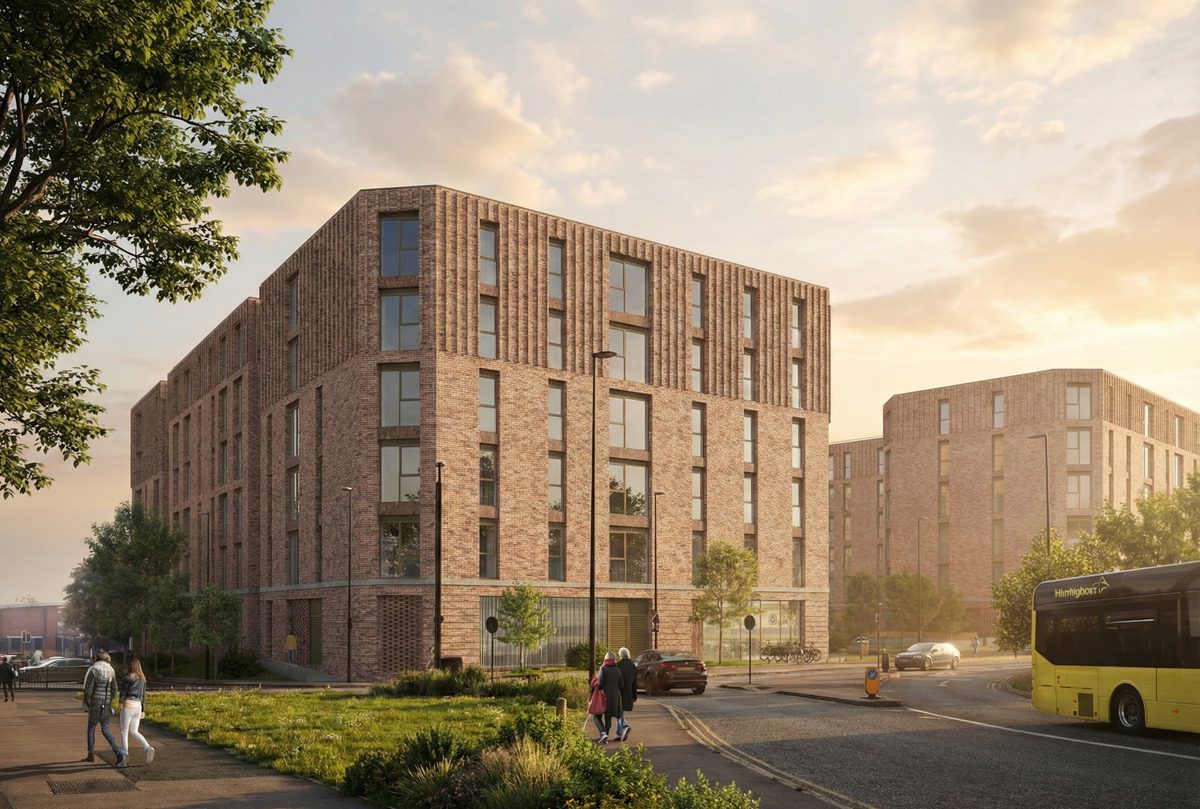
Successfully unlocking complex brownfield sites relies on a strategic approach to partnership and delivery. By aligning public and private sector priorities with creative design, we have the ability to navigate the complexities of funding and transform constrained land into high quality, sustainable neighbourhoods. Our work demonstrates how this integrated model drives positive outcomes, creating vibrant, connected places that support local housing needs."
Dominic Manfredi
Director, ArchitectureFuture Homes Standard and low-carbon homes shaping future-ready housing
The Future Homes Standard marks a significant change in how homes are designed, built and operated, accelerating the transition to low-carbon, energy efficient homes. As residential sector lead David de Sousa sets out, it is driving a shift towards fabric-first design, improved thermal performance and the widespread adoption of low-carbon heating systems such as air source heat pumps, alongside the integration of on-site renewables including photovoltaic (PV) panels.
This shift places greater emphasis on building performance in use, with a focus on reducing operational carbon, improving energy efficiency and addressing the performance gap. It also reinforces the importance of designing for thermal comfort, indoor air quality and long-term resilience, ensuring homes remain comfortable, healthy and affordable to run.
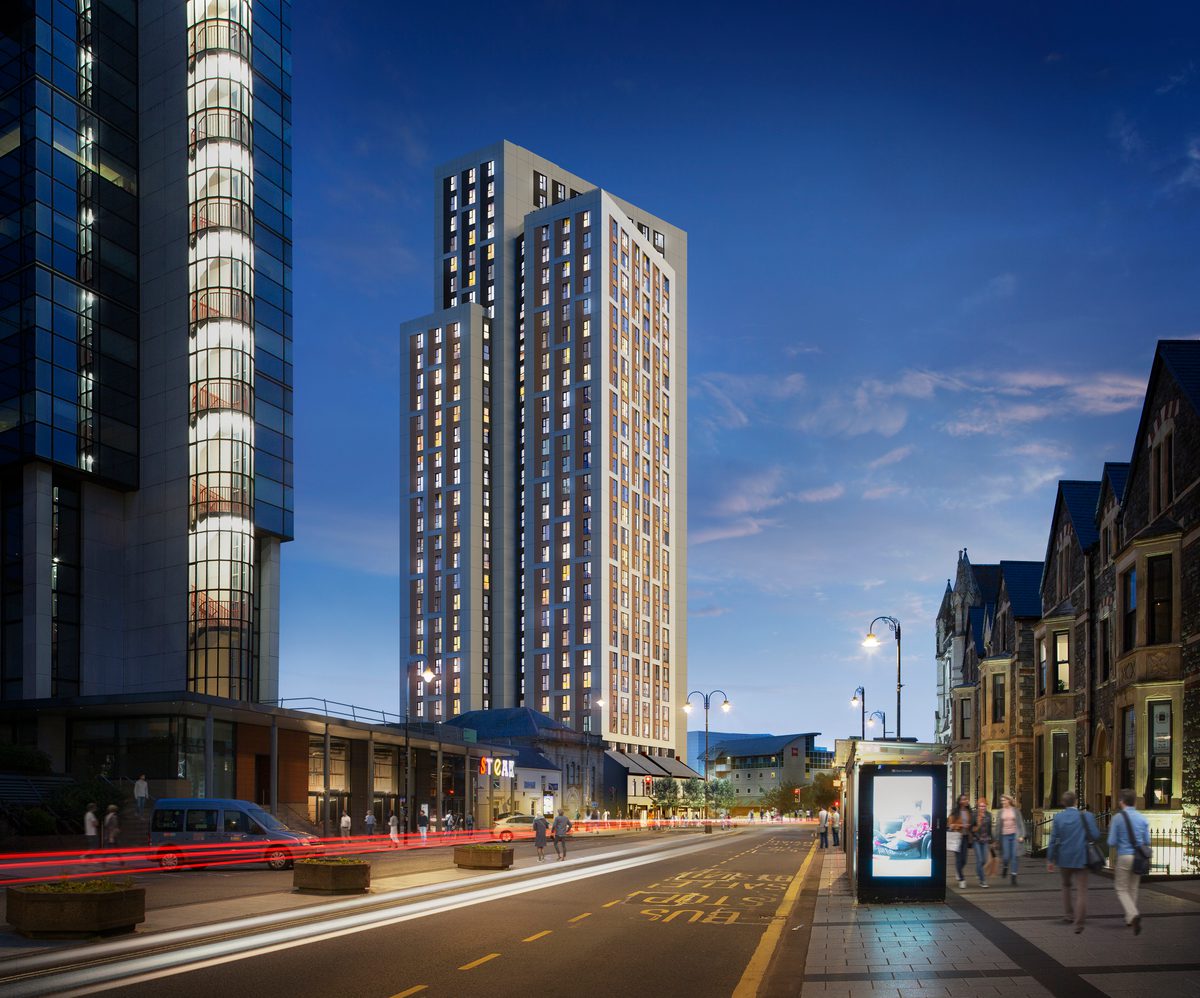
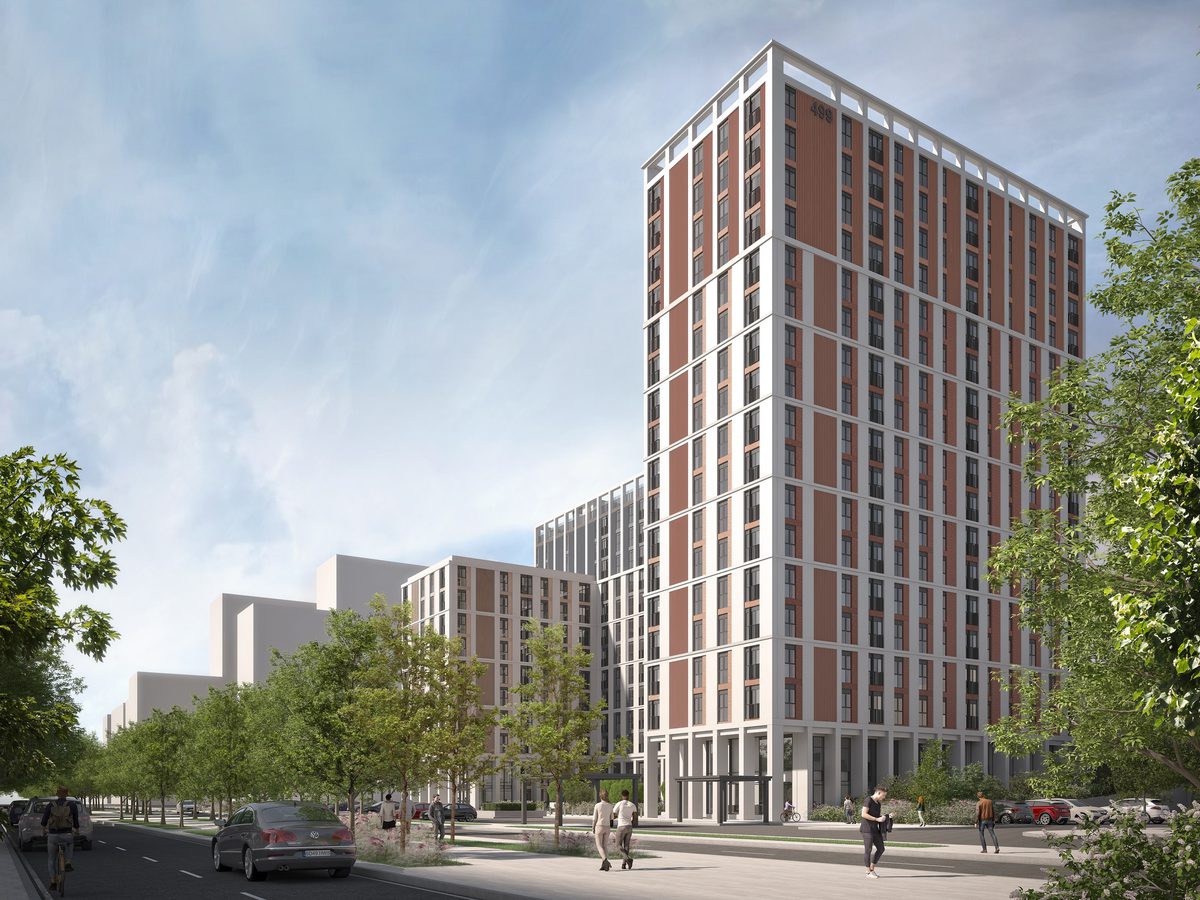
Through projects such as Avebury Boulevard in Milton Keynes and our work across Southwark’s affordable housing programme, our teams are already embedding these principles. By combining architectural design with building consultancy and sustainability expertise, we support clients in navigating evolving regulation while delivering practical, commercially viable solutions that respond to the climate agenda and the needs of residents.


Building safety, compliance and quality
Building safety continues to shape decision-making across the residential sector, particularly for HRB’s. We embed compliance from the outset, acting in roles including principal designer (Building Regulations) and structuring our approach around the ‘Golden Thread’ of information. Through Building Information Modelling (BIM) and robust compliance tracking, we ensure that design decisions, risks and approvals are clearly recorded, coordinated and carried through into delivery and ongoing management.
Reflecting this evolving landscape, David has completed the RIBA Principal Designer Higher-Risk Buildings (HRB) assessment and joined the RIBA Principal Designer Register, a significant step forward in strengthening our building safety expertise.
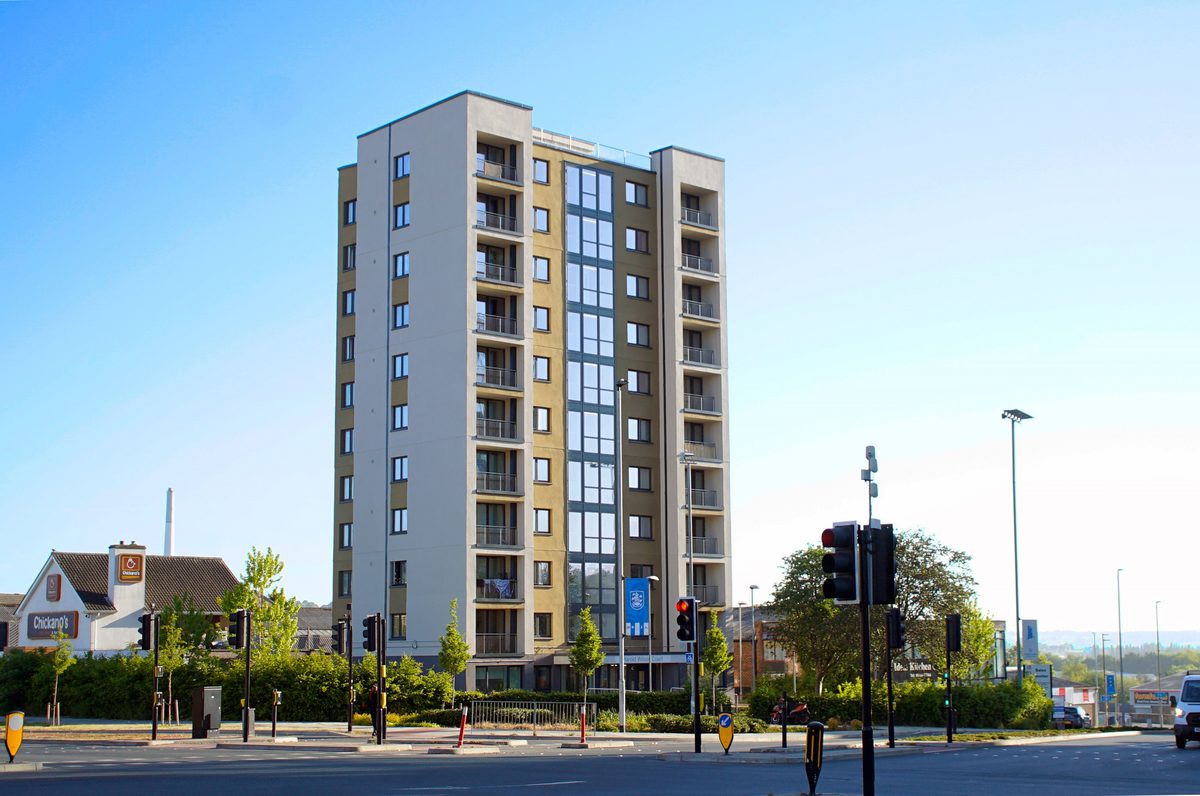
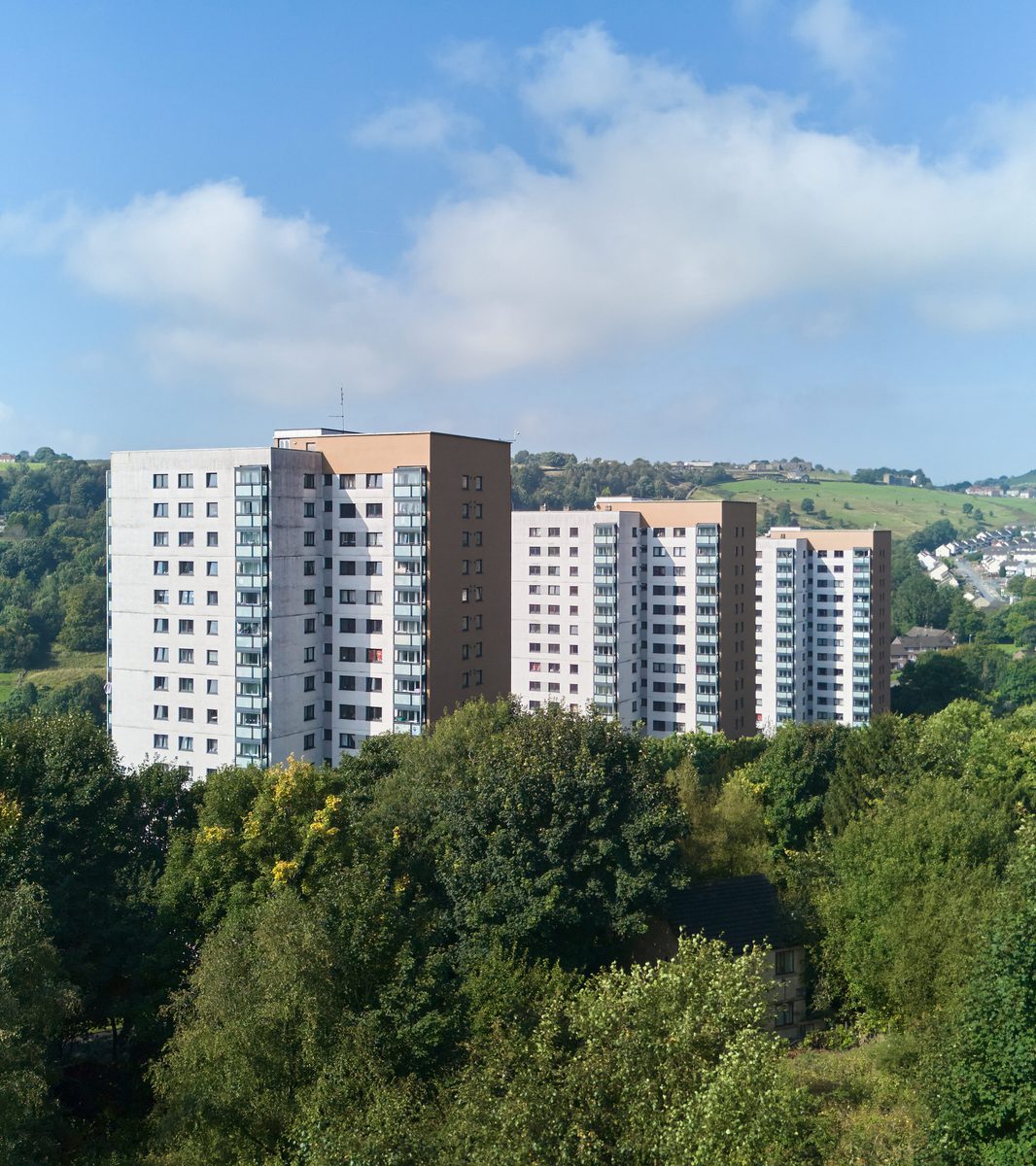
Our work on projects such as Harold Wilson Court in Huddersfield demonstrates this in practice. Here, safety improvements are carefully coordinated alongside refurbishment works within a live environment, balancing risk mitigation, resident wellbeing and programme certainty. This requires a detailed understanding of existing buildings, informed by our building surveying expertise, alongside a design-led approach to retrofit and remediation.
Across our high-rise and large-scale residential work, we take a consistent and methodical approach to change control, technical assurance and quality. By thinking across the full lifecycle, from early design through to post-occupancy, we help ensure homes are not only compliant, but safe, durable and fit for the future.


Effective compliance comes from structured information and disciplined delivery. By aligning BIM, the Golden Thread and robust change control, we create a clear line of sight from design intent to built reality, supporting safer, higher quality homes."
Andrew France
Director, Building ConsultancyRetrofit, asset performance and inclusive homes
Retrofit and long-term asset performance are equally important. Much of the housing that will exist in the coming decades is already built, making the improvement of existing homes critical, particularly in addressing fuel poverty and rising energy costs.
Through partnerships with organisations such as Vico Homes, we are supporting long-term modernisation programmes that focus on delivering energy efficient homes through practical, scalable interventions. This includes the retrofit of heating systems such as boilers, alongside wider fabric improvements to enhance thermal performance, reduce energy demand and improve overall building efficiency.
By combining design expertise with building consultancy and asset management insight, we help clients prioritise works that deliver measurable performance improvements, lower running costs and create warmer, healthier homes. This approach not only extends building life but supports more sustainable, resilient communities over the long term.
 Vico Homes
Inclusive, energy efficient homes
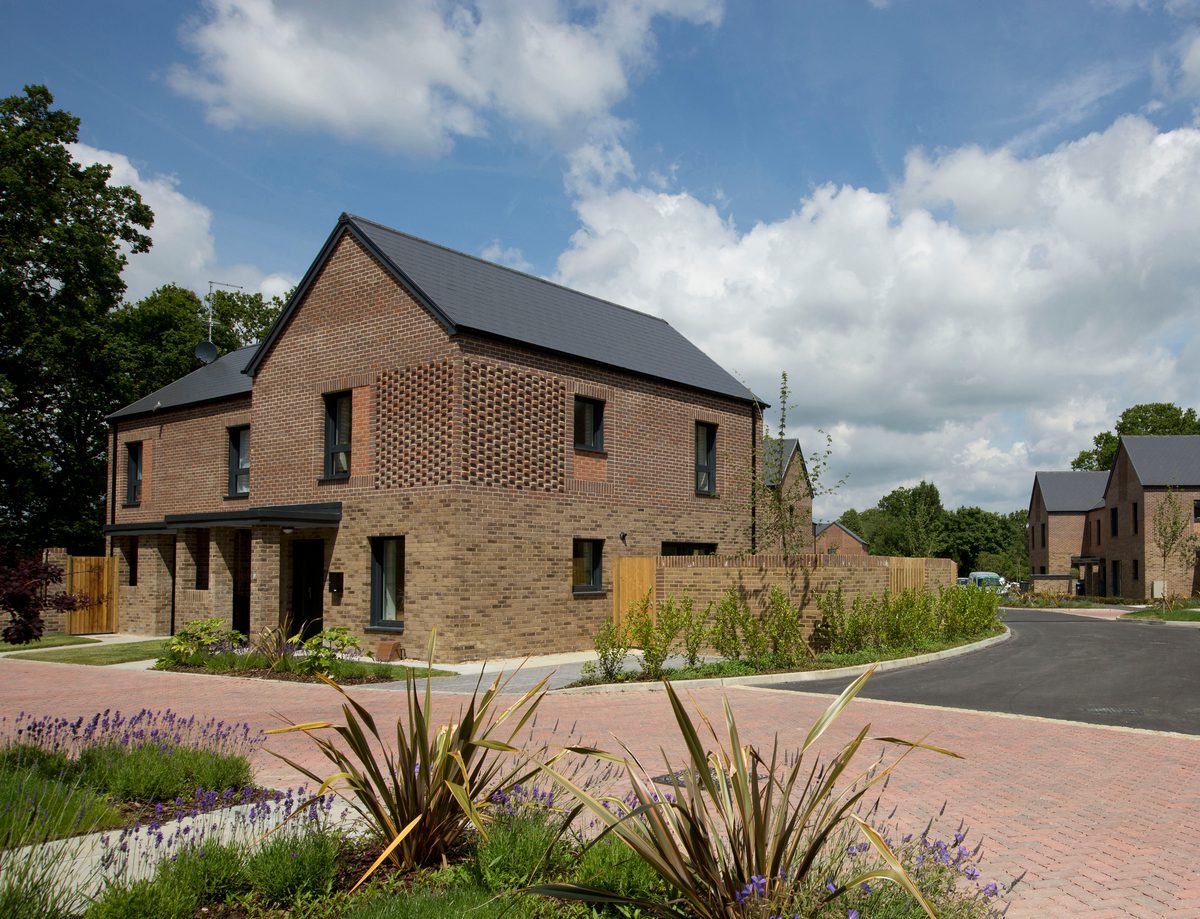
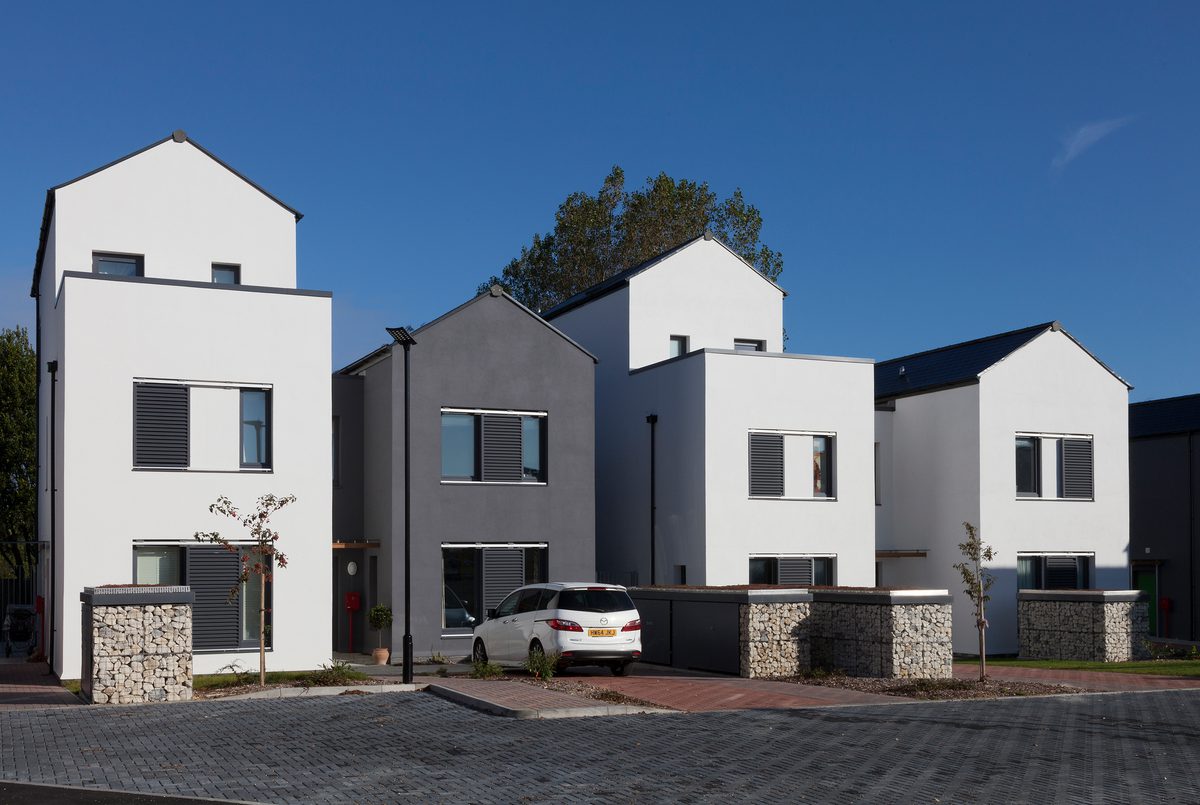
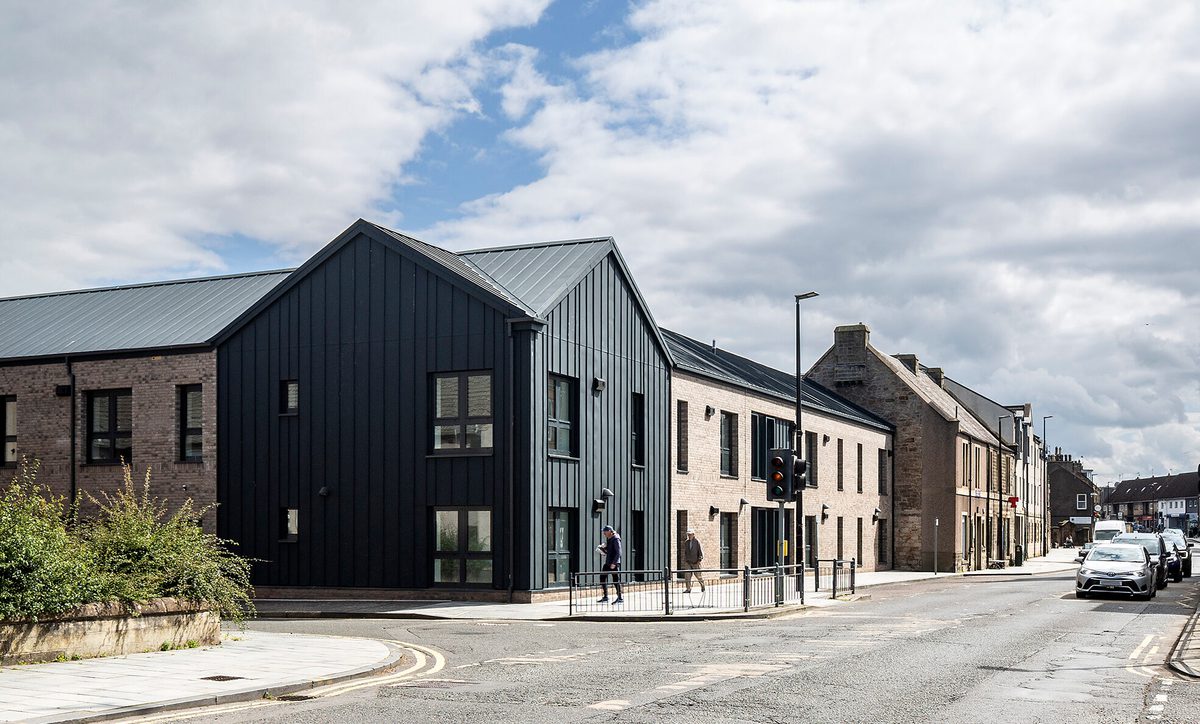
Designing for inclusive, independent and longer-term living remains a clear priority across our residential work. At 1–21 St Cuthberts in Bonnyrigg, we have created homes that support independence while allowing for changing needs over time, with a strong focus on accessibility, adaptability and wellbeing. Alongside this, the homes are designed to deliver high levels of energy efficiency and thermal comfort, informed by Passivhaus principles and a fabric-first approach to performance.
This means considering not only how homes look and feel, but how they function day to day and over time. Careful attention is given to building performance, reducing energy demand, improving internal comfort and supporting more sustainable patterns of living, while also minimising long-term maintenance requirements.
This people-first thinking runs through our wider residential design and building consultancy work. By combining sustainable design with a practical understanding of asset management and in-use performance, we create homes that are comfortable, efficient and resilient, shaped around real lives and built to support communities over the long term.


Connected neighbourhoods and long-term performance
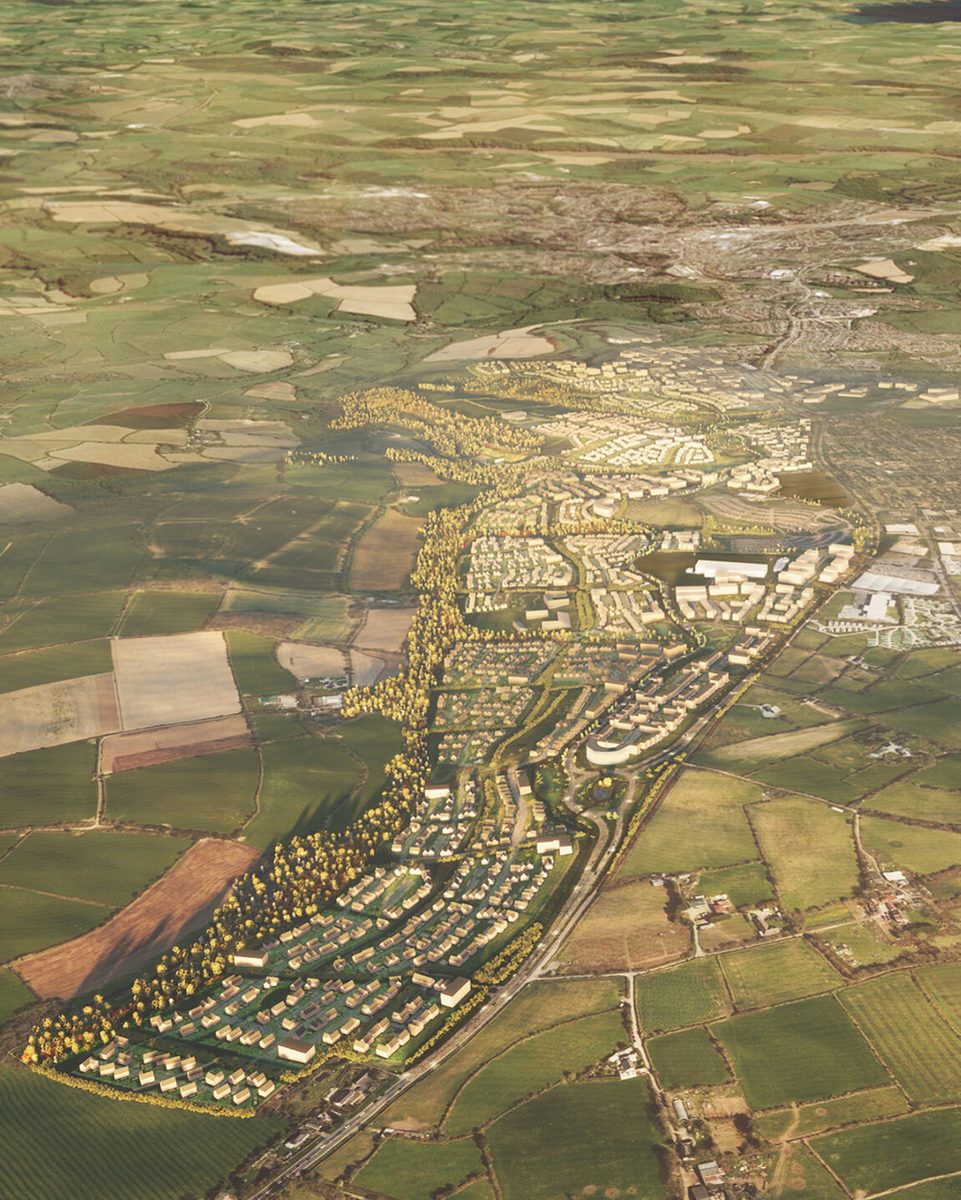
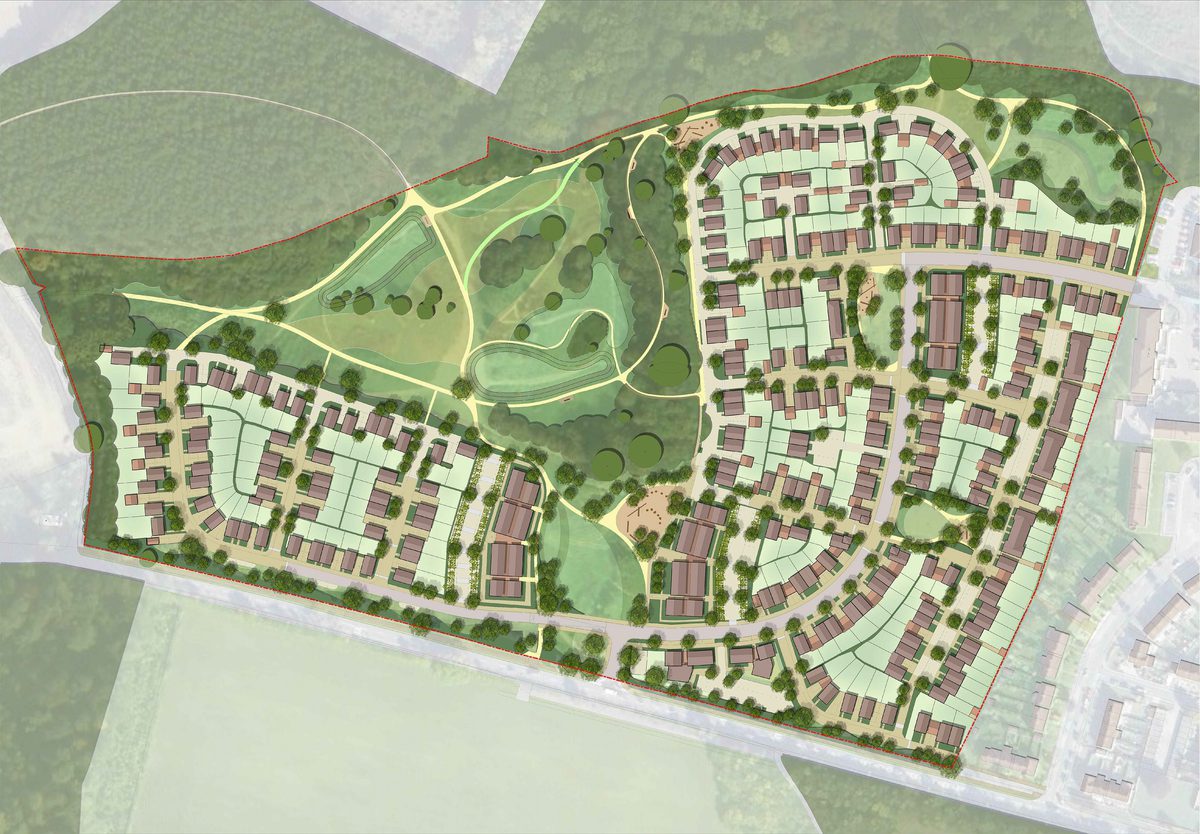
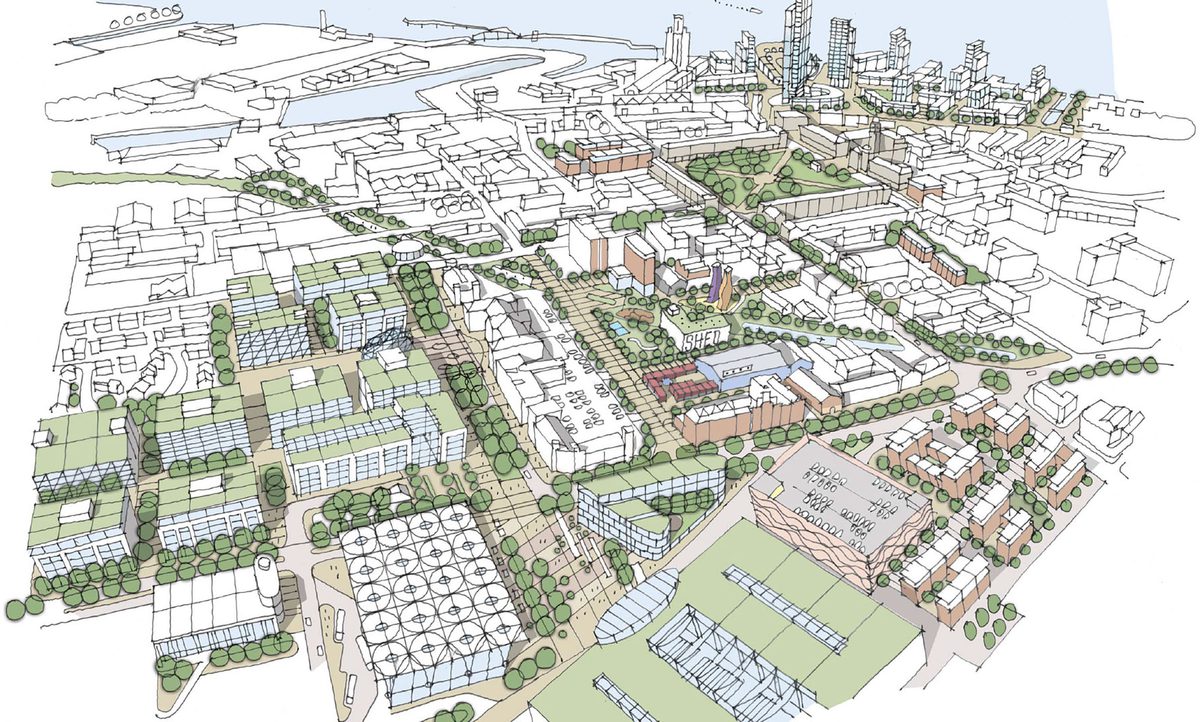
At a larger scale, projects such as Langarth Garden Village, St Mary’s Island and Birkenhead Commercial District Masterplan, demonstrate how this joined-up approach supports thoughtful masterplanning and placemaking, creating connected, resilient neighbourhoods rooted in their local context. By integrating architecture, landscape design and infrastructure from the outset, we shape places that encourage community interaction, support wellbeing and respond sensitively to their surroundings.
Our approach to placemaking considers how people move through and experience a place, from green spaces and public realm to the relationship between homes, streets and amenities. This creates cohesive, liveable environments that not only perform well but feel welcoming, inclusive and enduring.
This reflects a consistent approach to residential design and delivery, combining creativity, technical expertise and commercial awareness to create homes and places that perform well over time and support the communities they serve.
For a deeper insight into our approach, our ‘Placemaking with purpose’ thought leadership series explores how to embed effective placemaking principles into projects, offering practical guidance and expertise across seven themed pieces.
Download it here


Our team is always open to discussing how we can support your ambitions. Whether you are looking at residential-led regeneration, new housing delivery, retrofit and decarbonisation or long-term asset management and safety, we bring together the expertise needed to move projects forward with confidence.
Our insight is grounded in the realities of delivering housing today, shaped by hands-on experience across architecture and building consultancy. We’d welcome the conversation, so please do get in touch
Frequently asked questions
We bring together architecture and building consultancy into one connected team, supporting clients from early strategy through to post-occupancy. This joined-up approach means design, safety, sustainability and commercial viability are considered together from the outset, leading to better coordinated, more resilient homes and neighbourhoods.
We work closely with local authorities, registered providers, developers and investors to unlock complex sites and align funding, governance and delivery models. By combining placemaking insight with technical expertise, we help shape regeneration schemes that revitalise town centres, strengthen community life and deliver long-term value.
We are already embedding the principles of the Future Homes Standard across live projects, focusing on low-carbon heating, improved building fabric and on-site renewables. We support clients in designing homes that are not only compliant but also practical, cost-effective and ready for future performance expectations.
We support large-scale retrofit and modernisation programmes that improve energy performance, extend building life and enhance comfort. Working with housing providers and asset managers, our teams develop practical, phased strategies that balance decarbonisation goals with funding constraints and resident wellbeing.
We take a coordinated, multidisciplinary approach to building safety, aligning design intent with compliance and on-site delivery. From high-rise remediation to new build developments, we manage risk through clear processes, technical expertise and close collaboration, helping ensure homes are safe, compliant and fit for the future.
Posted on:
Jun 18th 2026
Topics:
Share on
Related Projects

Highgate Road
This residential development, sitting on a once underused brownfield site in Camden, provides 47 high quality, inclusive, city centre apartments.

Incommunities Ltd, High-Rise Programme
We have been appointed to carry out safety surveys for Incommunities Ltd, assessing 19 of their high-rise residential blocks .

Radbrook Village
Our residential masterplan, with a mixture of 126 new and refurbished homes, including the restored Grade II listed Radbrook Hall.
Related News
Plans approved for a vibrant and connected new residential development in Milton Keynes
Project News
22 Apr 26

Placemaking with purpose: insights from our placemaking series
Thought Leadership
10 Apr 26
The Future Homes Standard has arrived: what it means for residential development
Thought Leadership
30 Mar 26