
Thought Leadership
Placemaking with purpose: insights from our placemaking series

by AHR
As social, environmental and economic pressures intensify, the focus has shifted towards how places are shaped, how they evolve and how they continue to serve the people who use them over time.
Our new report, ‘Placemaking with purpose’, brings together insights from a seven-part thought leadership series exploring what effective, long-term placemaking looks like in practice.
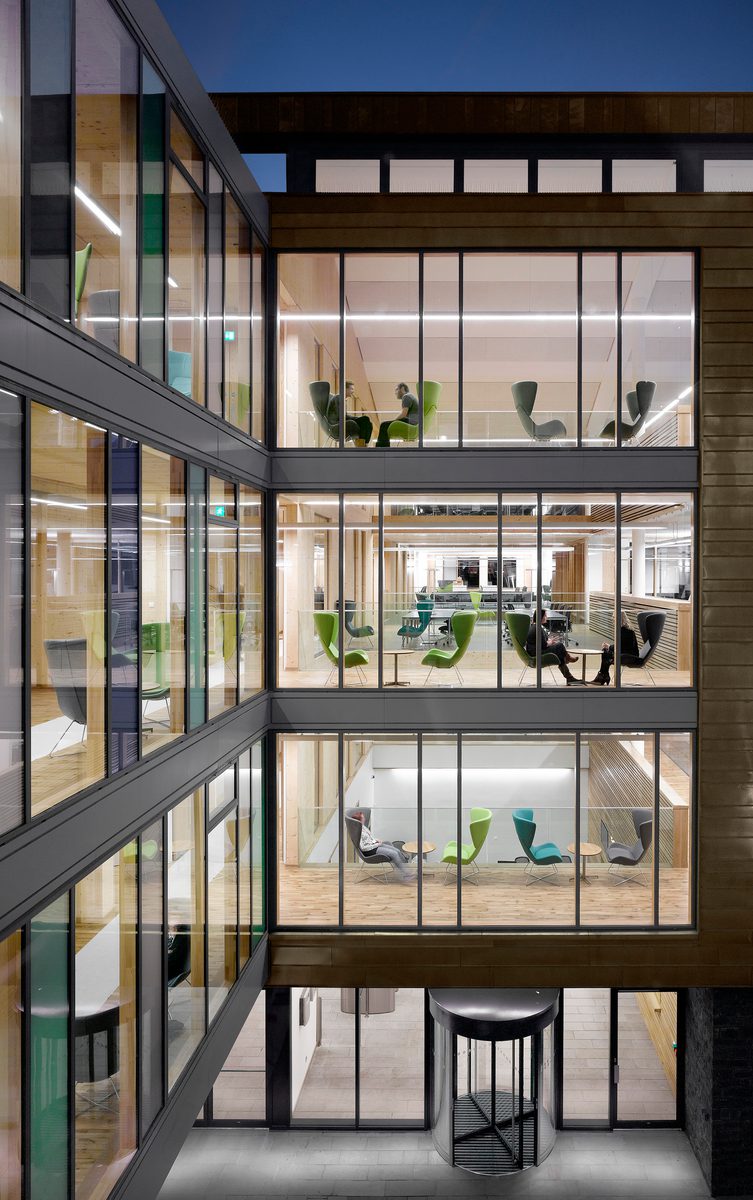
With expertise across architecture, masterplanning, landscape design, interior design, building consultancy and geomatic consultancy, the report sets out a holistic, people-first approach to shaping places that last.
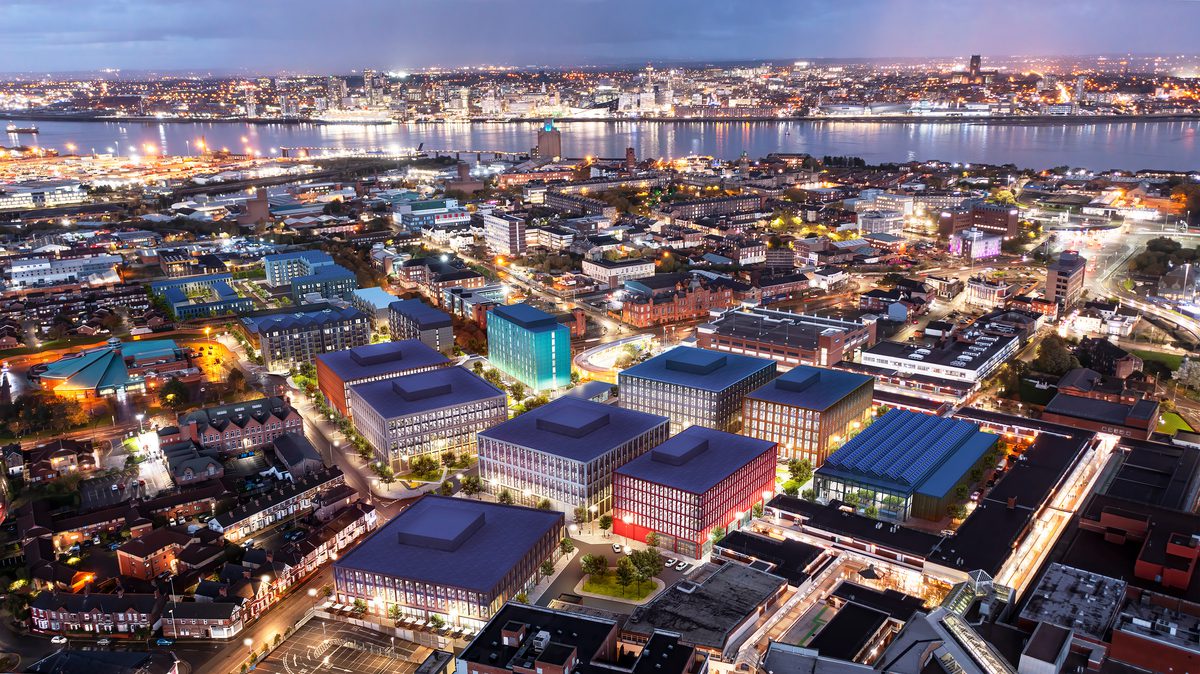
The timing of this report is significant. UK regeneration is gaining renewed momentum, with substantial investment now flowing through multiple channels: £46bn in Homes England funding, £5bn through the government’s Pride in Place strategy and growing resources directed through combined authorities with strengthened planning and delivery powers. Navigating this complex funding landscape, knowing where to look, how to access investment and how to align proposals with policy priorities, is increasingly critical to turning ambition into reality.
As the sector responds to this renewed focus, the fundamental questions remain, how do we ensure this investment creates places that genuinely last? Our findings draw on practical experience and proven examples across a range of projects, offering insights to help local leaders, developers and communities turn both funding and ambition into places that work for people now and for generations to come.
Rather than viewing placemaking as a single intervention, we see it as an ongoing relationship between people and place. One that balances ambition with deliverability, identity with adaptability and immediate needs with long-term stewardship.
What you can expect from the full report:
A people-first approach to placemaking
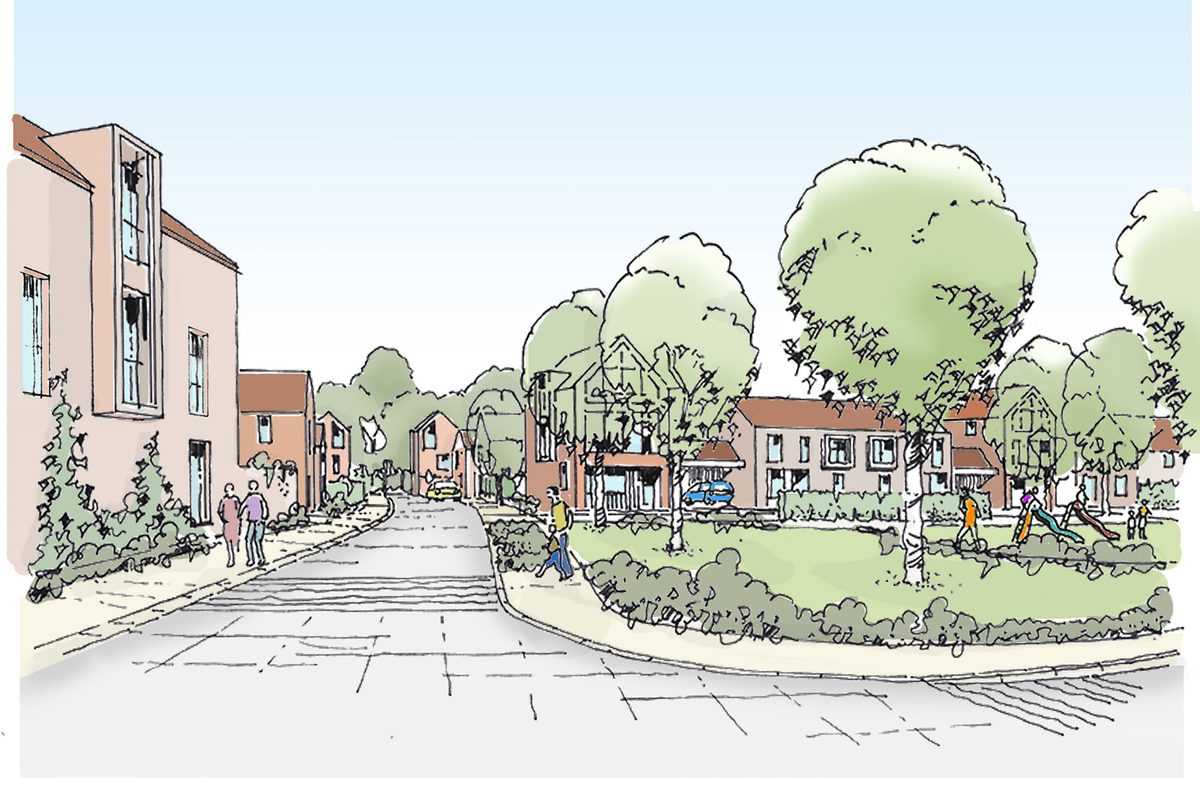
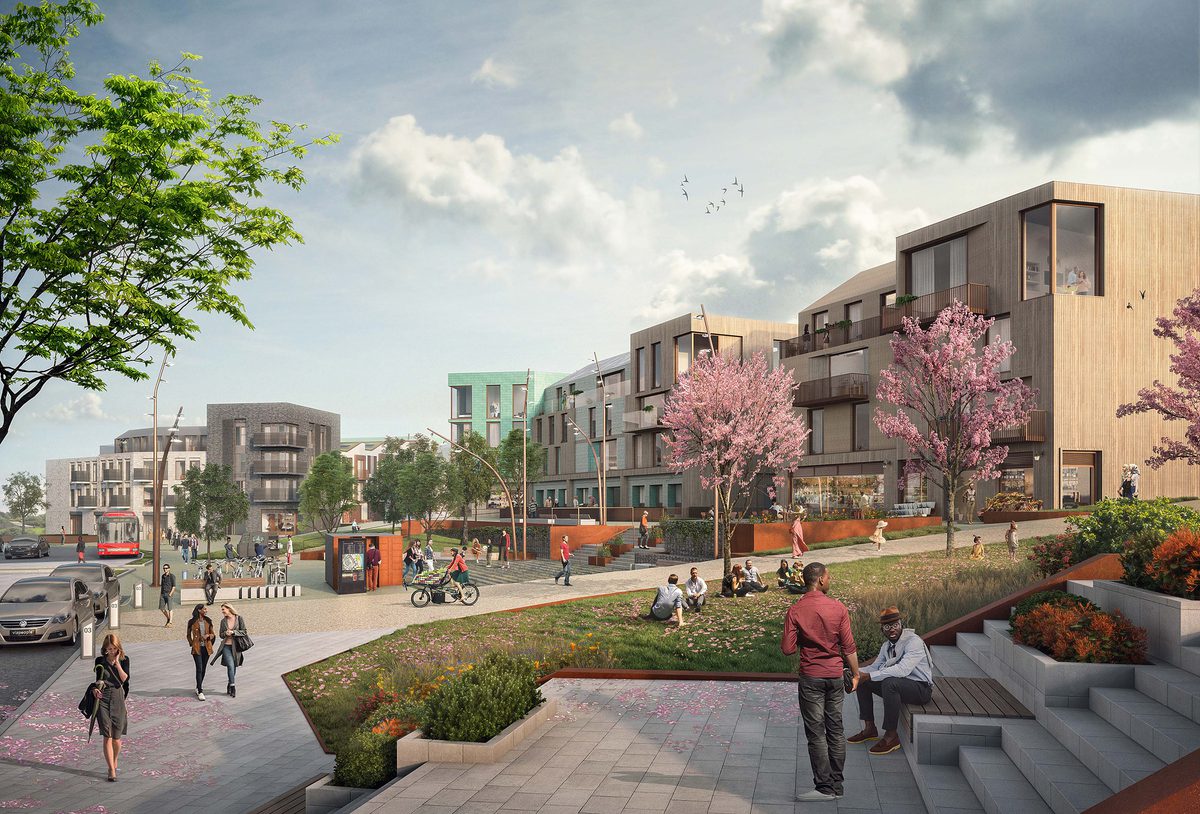
At its core, placemaking begins with people. Understanding how people live, move and connect with their surroundings reveals insights that traditional analysis alone cannot provide. Informal walking routes, social meeting points, seasonal challenges and patterns of everyday use all shape how a place truly functions.
Meaningful engagement is not a one-off exercise. Iterative, conversational dialogue with communities, businesses and local organisations helps uncover what matters most and ensures places are shaped with people, not just for them.
Rooted in context, identity and heritage
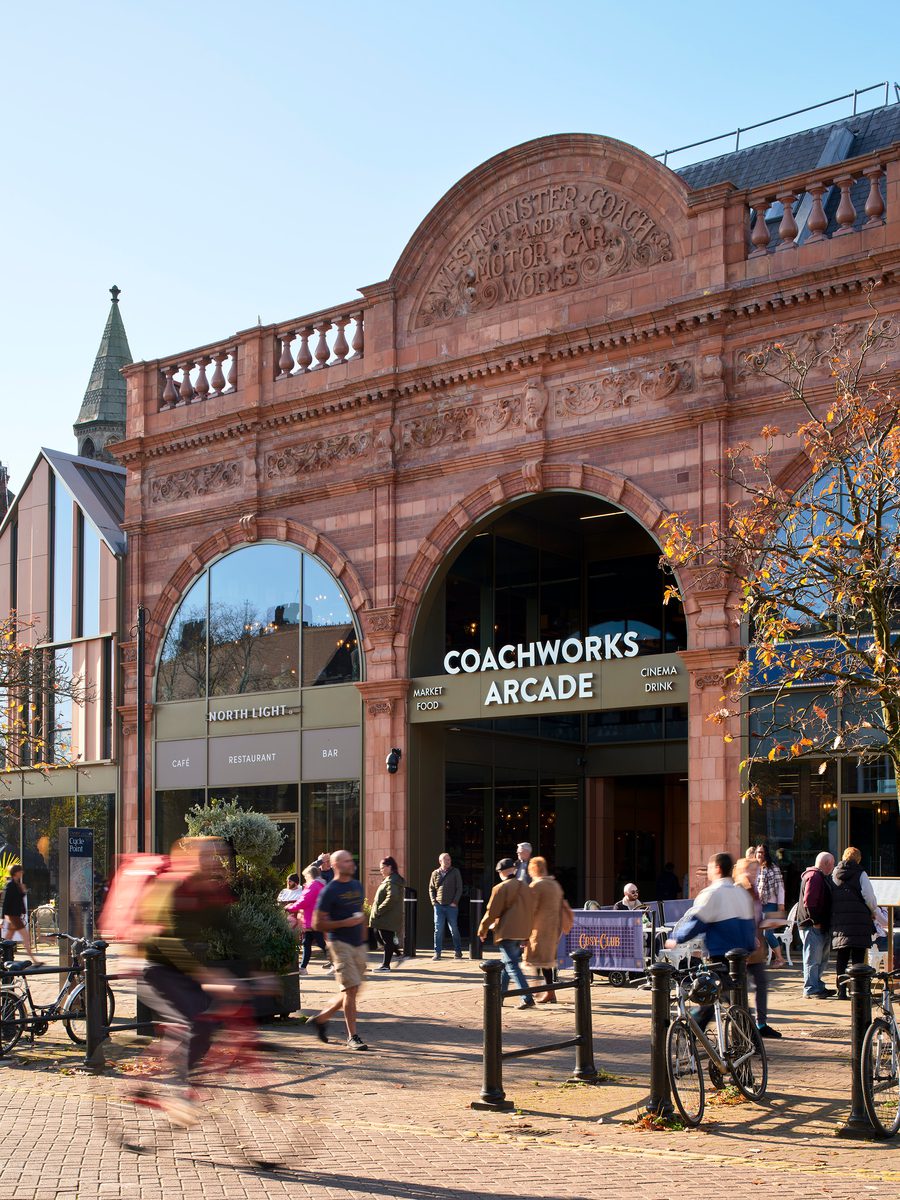
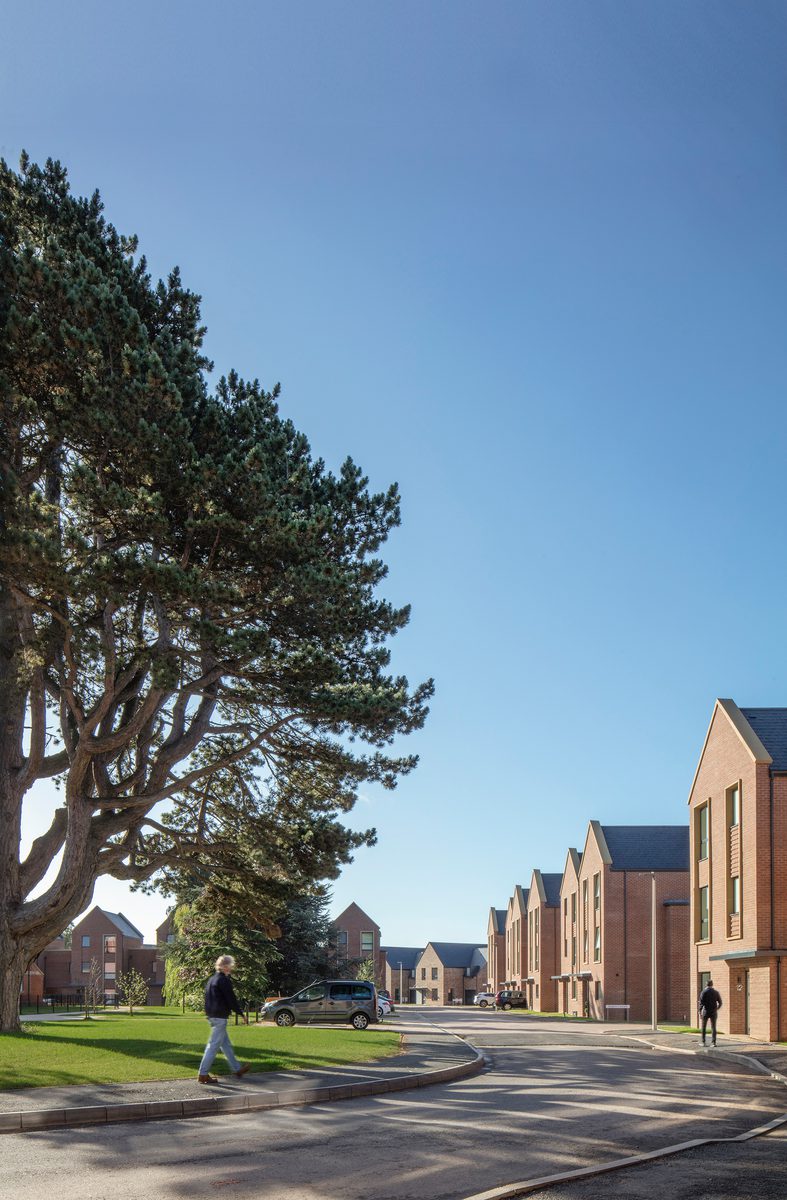
Every site carries layers of history, landscape and lived experience. Context-led design treats these qualities as creative drivers rather than constraints. Designing with identity means recognising the clues already present, from materials and street patterns to local culture and traditions. When reflected thoughtfully, identity helps places feel familiar yet renewed, supporting a stronger sense of belonging.


From vision to delivery
Strong early planning is essential to translating placemaking ambition into deliverable, adaptable frameworks. Clear strategies around land use, infrastructure, policy alignment and funding create the structure needed to guide long-term development while allowing places to evolve.
Delivery models matter. Joint ventures, partnerships and design-led procurement routes can help protect placemaking principles over long timeframes and multiple phases. Working closely with local authorities and wider stakeholders from the outset helps align priorities, streamline decision-making and deliver projects with both speed and confidence. Embracing innovative construction approaches, including Modern Methods of Construction (MMC), can further accelerate delivery, reduce waste and improve quality without compromising design intent.
Designing resilient and healthy places
Resilient placemaking is about more than managing risk. It is about creating places that can adapt, respond and remain relevant as conditions change. Innovative, sustainable design solutions support long-term performance, reduce whole-life carbon and meet the evolving needs of communities. Flexible buildings, landscape-led strategies and fabric-first approaches reinforce environmental resilience for generations to come.
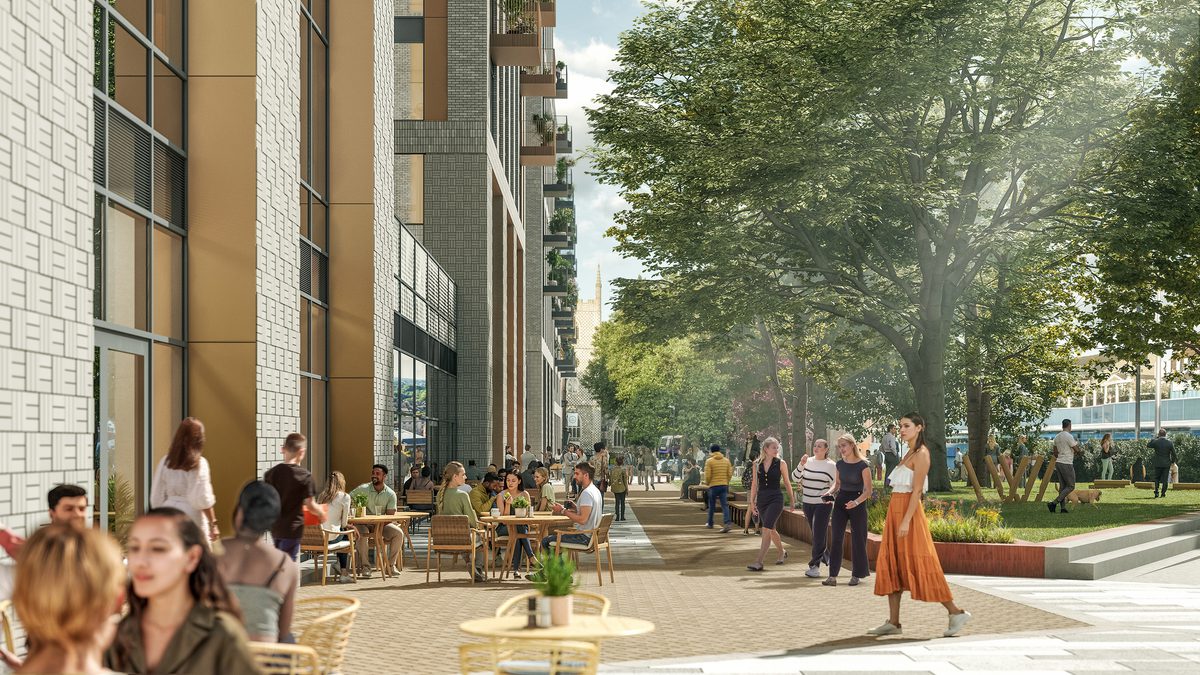
Healthy places support physical, mental and social wellbeing. Walkability, safety, access to nature, daylight, ventilation and acoustic comfort all contribute to environments that reduce health inequalities and support everyday life.
Stewardship and the legacy of place
The true value of placemaking emerges over time. Stewardship plays a critical role in ensuring places remain cared for, inclusive and responsive to changing needs.
Good design and construction practice has a measurable impact. The choices made at the design stage can significantly improve the quality of life for residents, generate lasting social value and support stronger, more connected communities.
By bringing together design, management and community involvement, stewardship helps sustain pride, safety and relevance. Digital tools, data-led insight and long-term estate strategies support informed decision-making and sensitive adaptation, particularly for complex or heritage-led environments.
Download the report
Placemaking with purpose brings these themes together, illustrating how insight, context, delivery, resilience, health and stewardship connect in practice.
Download the report to explore the full series
Continue the conversation
Placemaking is shaped through collaboration, insight and long-term thinking
If you are planning a new community, regeneration project or long-term estate strategy, we would be delighted to talk.
Frequently asked question
Placemaking is a long-term, people-centred process that shapes how places function, feel and evolve. It brings together social, environmental, economic and cultural considerations to create environments that support everyday life and long-term wellbeing.
Effective placemaking helps create places that are inclusive, resilient and adaptable. It supports health, wellbeing, economic vitality and environmental sustainability while strengthening identity and community connection.
People-first placemaking prioritises the lived experience of those who use a place every day. It involves meaningful engagement, inclusive design and ongoing collaboration to ensure places reflect local needs, values and aspirations.
Placemaking supports sustainability by encouraging walkable neighbourhoods, adaptable buildings, green infrastructure and long-term stewardship. These approaches reduce whole-life carbon, support biodiversity and help places remain viable over time.
We see placemaking as a collaborative, evolving process. By bringing together architecture, landscape, masterplanning, building consultancy and geomatic expertise, we help shape places that are grounded in context, deliverable in practice and resilient for the future.
Posted on:
Apr 10th 2026
Topics:
Share on
Related Articles

Events
AHR is heading to UKREiiF 2026
Discover more about the AHR team heading to UKREiiF 2026, ready to share knowledge, expertise and discuss inclusive, sustainable, future-focused places.
Date: 31 Mar 26
by AHR

Project News
Plans approved for Wapping Wharf North, completing the mixed use neighbourhood in Bristol
We’re delighted to have reached this milestone at Wapping Wharf North in Bristol as we move forward with new homes, flexible workspace and CARGO Hall, a lively extension to the existing neighbourhood.
Date: 26 Feb 26
by AHR

Practice News
Creating places where people feel safe: introducing our new white paper on trauma-informed design
We're delighted to release white paper on trauma-informed design with the University of Salford exploring how design can support wellbeing, safety and inclusive environments.
Date: 2 Feb 26
by AHR

Project News
How we're supporting the future of National Museum Cardiff
We're delighted to join the design team exploring future plans for National Museum Cardiff, bringing heritage expertise, local insight and a collaborative approach.
Date: 30 Jan 26