Placemaking with purpose
We see placemaking as a long-term, collaborative process, bringing together insight, context, delivery, resilience and stewardship to create places that are meaningful and reflective of peoples' needs.
introduction
Our key principles for creating successful, resilient places
As places become more complex – socially, environmentally and economically – the focus has shifted from defining placemaking to understanding how to do it well, and how to ensure it continues to work over time.
To showcase this in depth, we developed a seven-part thought leadership series that draws upon our expertise across architecture, masterplanning, landscape design, interior design, building consultancy and geomatic consultancy teams.
Each looks at placemaking through a different lens:
seven part series
How we're shaping placemaking


From the initial competition and interviews through to the planning approval the AHR team has demonstrated a clear understanding of the vision that Cornwall Council had and conveyed it in an exciting and innovative manner. You made the design competition interesting and fun and the interviews engaging and relaxed."
Les Allen
Langarth & Hayle Client Programme Director Cornwall Council1. reframing placemaking
Developing a clear, strategic vision
We see every project as an opportunity to understand how people live, move and connect with their environment. Places are not static backdrops but living systems shaped by local histories, social patterns, and sensory experiences that give meaning to daily life.
Place, through people
Well-designed places are easy to move through, comfortable to live in and connected to their surroundings, but getting this right requires careful thought, coordination and long-term perspective. Engaging with the people who already live, work and spend time in a place is central to this understanding. Local insight reveals values, behaviours and overlooked constraints that traditional analysis alone cannot provide.
Balanced, connected places
Balanced places integrate homes, services, green spaces, infrastructure and public spaces to support daily life and long-term resilience. When planned in isolation, these elements often fail to meet people’s needs. A well-balanced place typically includes a mix of housing types and tenures, social infrastructure such as schools, healthcare and community spaces, walkable neighbourhoods with clear street networks and green spaces.
Vision to reality
At Langarth Garden Village in Cornwall, we used this systems-based thinking to shape a masterplan for a new sustainable community of more than 3,800 homes. Working closely with Cornwall Council, stakeholders and local residents, we developed a vision grounded in context and community insight. These insights ensured the proposals remained rooted in place and reflected how people live now and how they hope to live in the future.
2. people first
Identity, inclusion and belonging as drivers of place
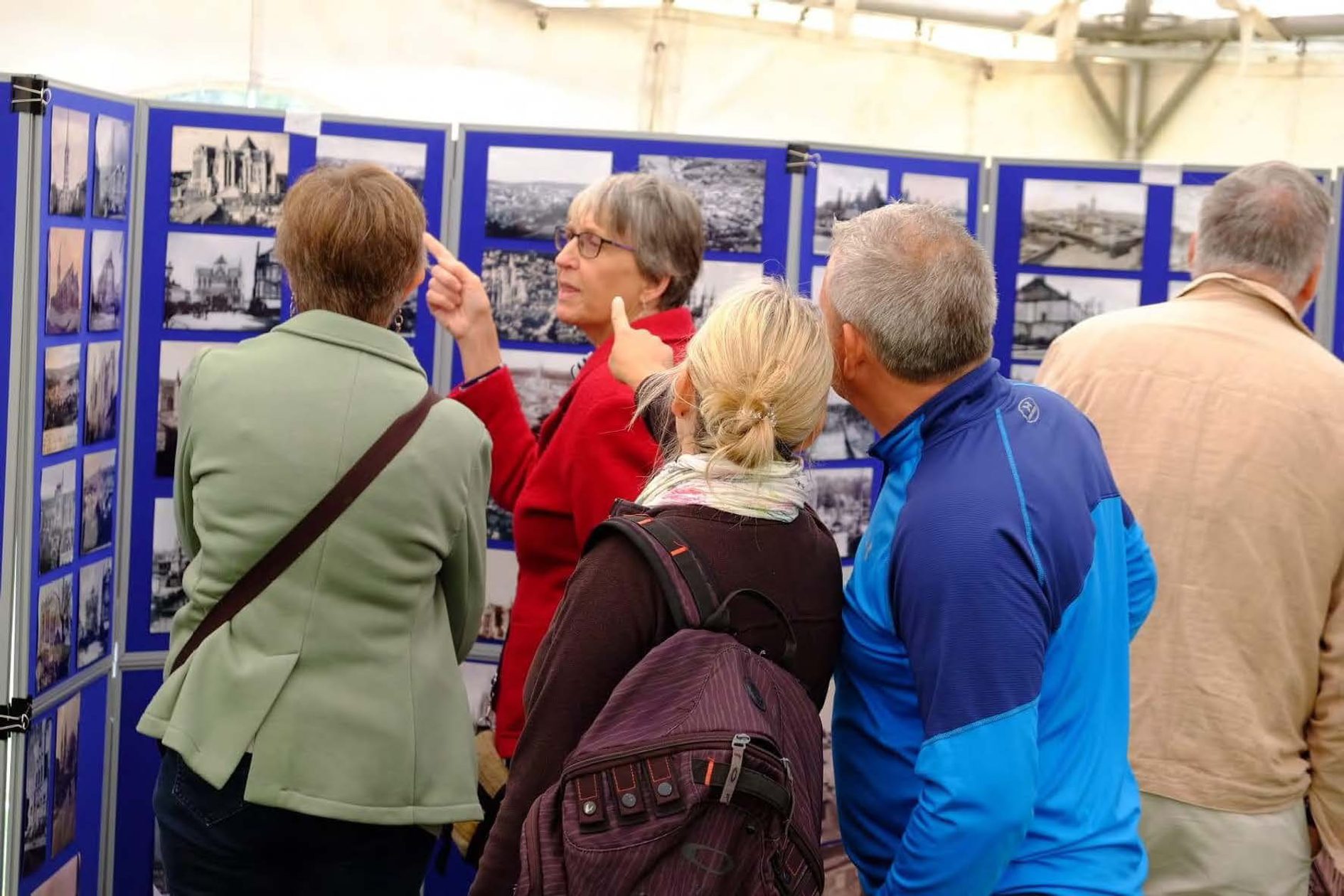
When placemaking is viewed through the experiences of those who use a place every day, its priorities become clear. Places are most meaningful when they are shaped with people, not just for them.
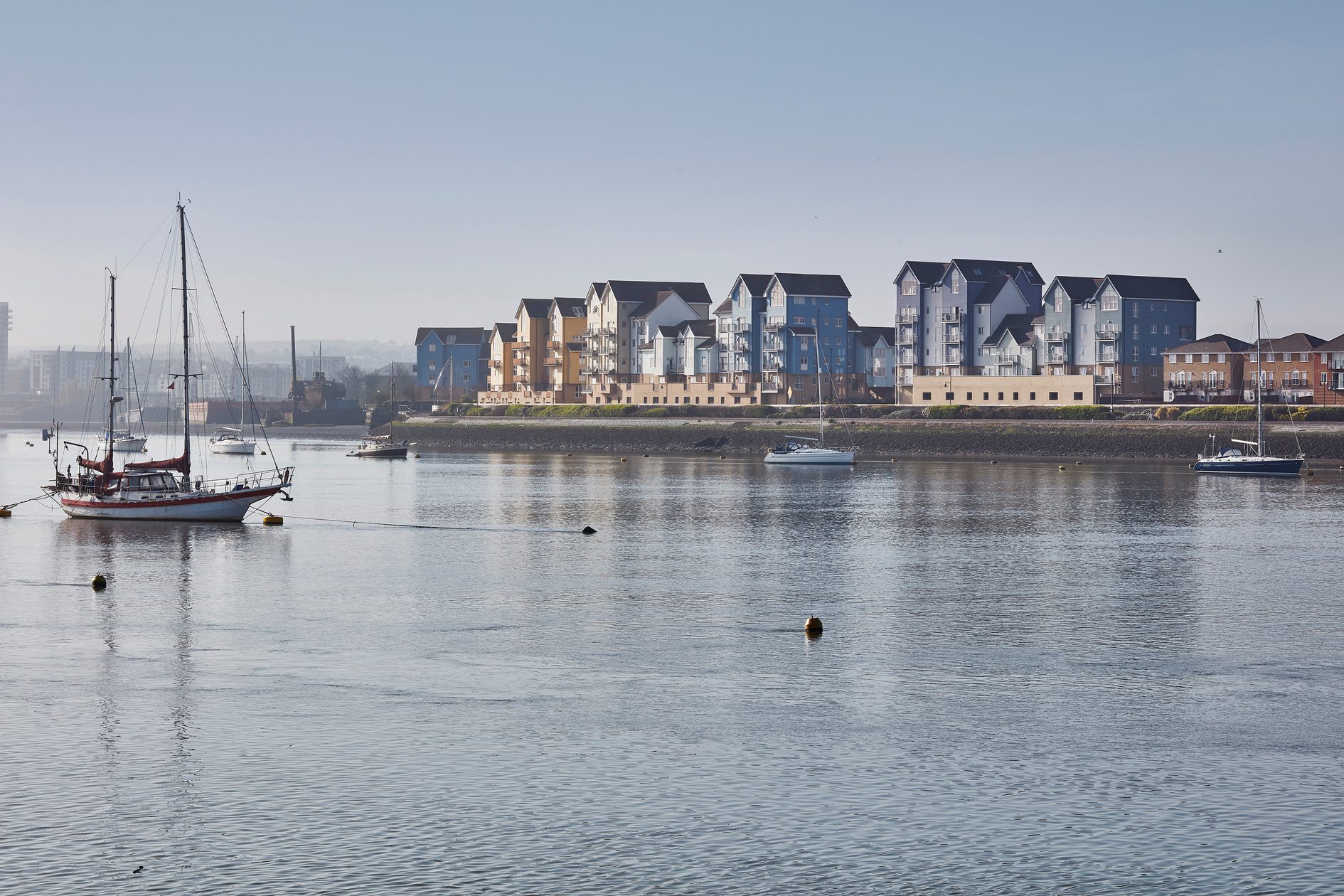
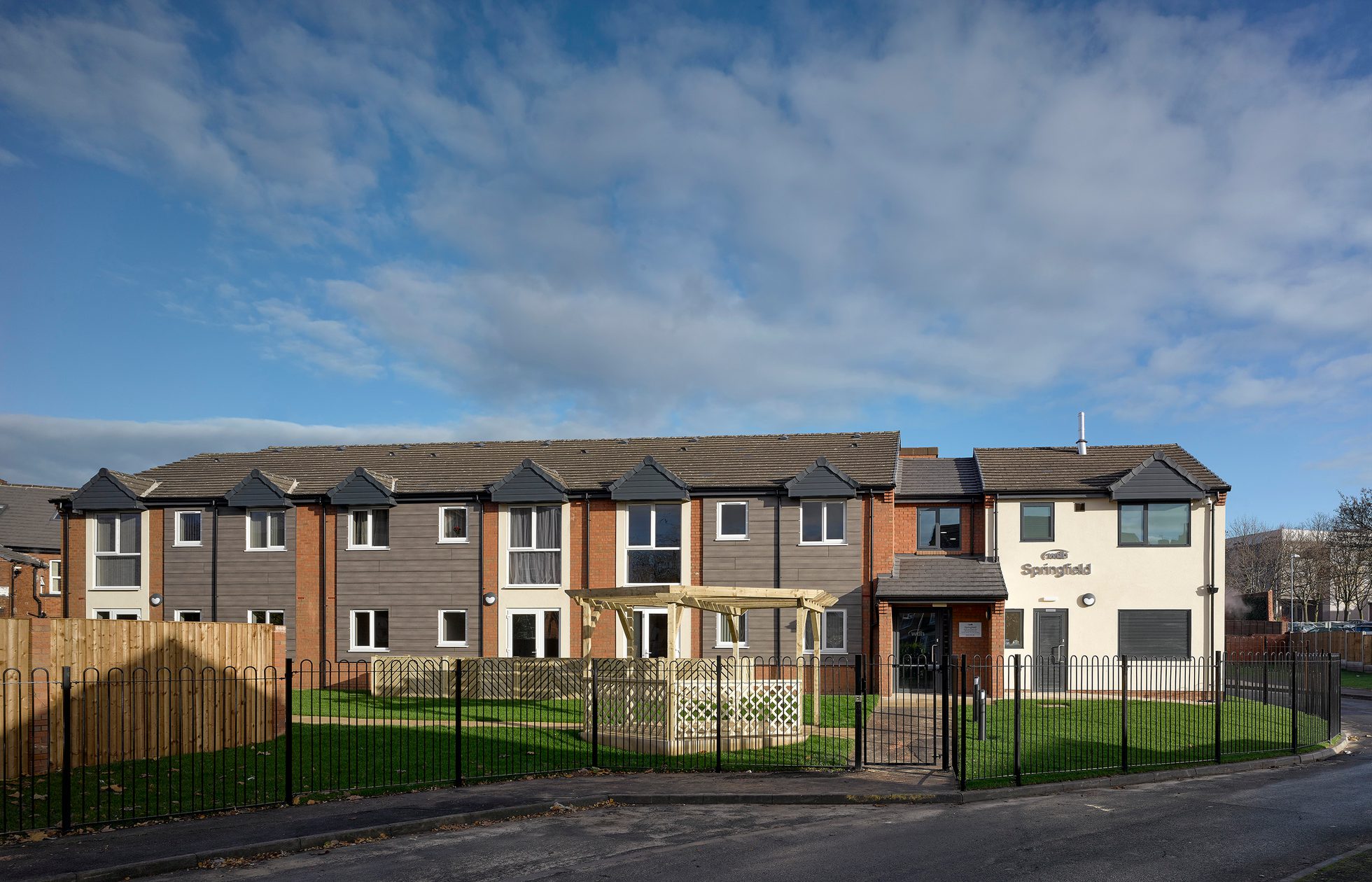
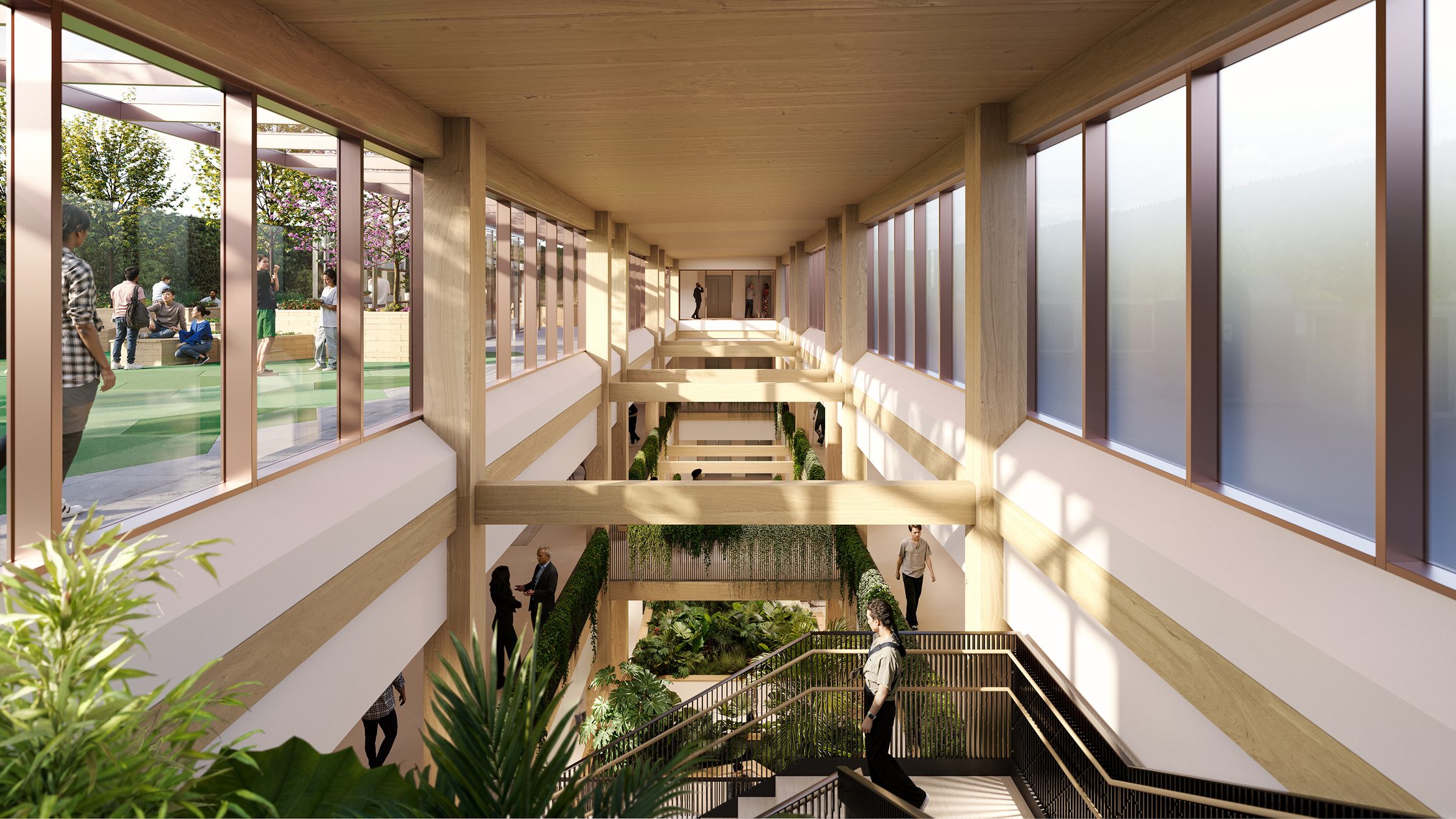
engagement in practice
Engaging communities as active participants
3. rooted in place
Designing through the local lens
Every site comes with layers of landscape, history and lived experience. Context-led design begins by understanding these qualities and using them as creative drivers rather than constraints. When we design with context in mind, places feel more authentic. It is a way of grounding ambition so that new development feels not imposed but grown from what is already there.
Context and heritage
Designing with heritage and local character does not mean replicating the past, but learning from it. Materials, textures and spatial patterns help anchor new development, allowing people to recognise themselves in their surroundings.
Constraints to opportunities
Constraints such as tight sites, sloping topography or heritage protections often unlock more imaginative solutions. Early technical insight helps turn these challenges into opportunities for richer, more distinctive outcomes.
Revitalisation in practice
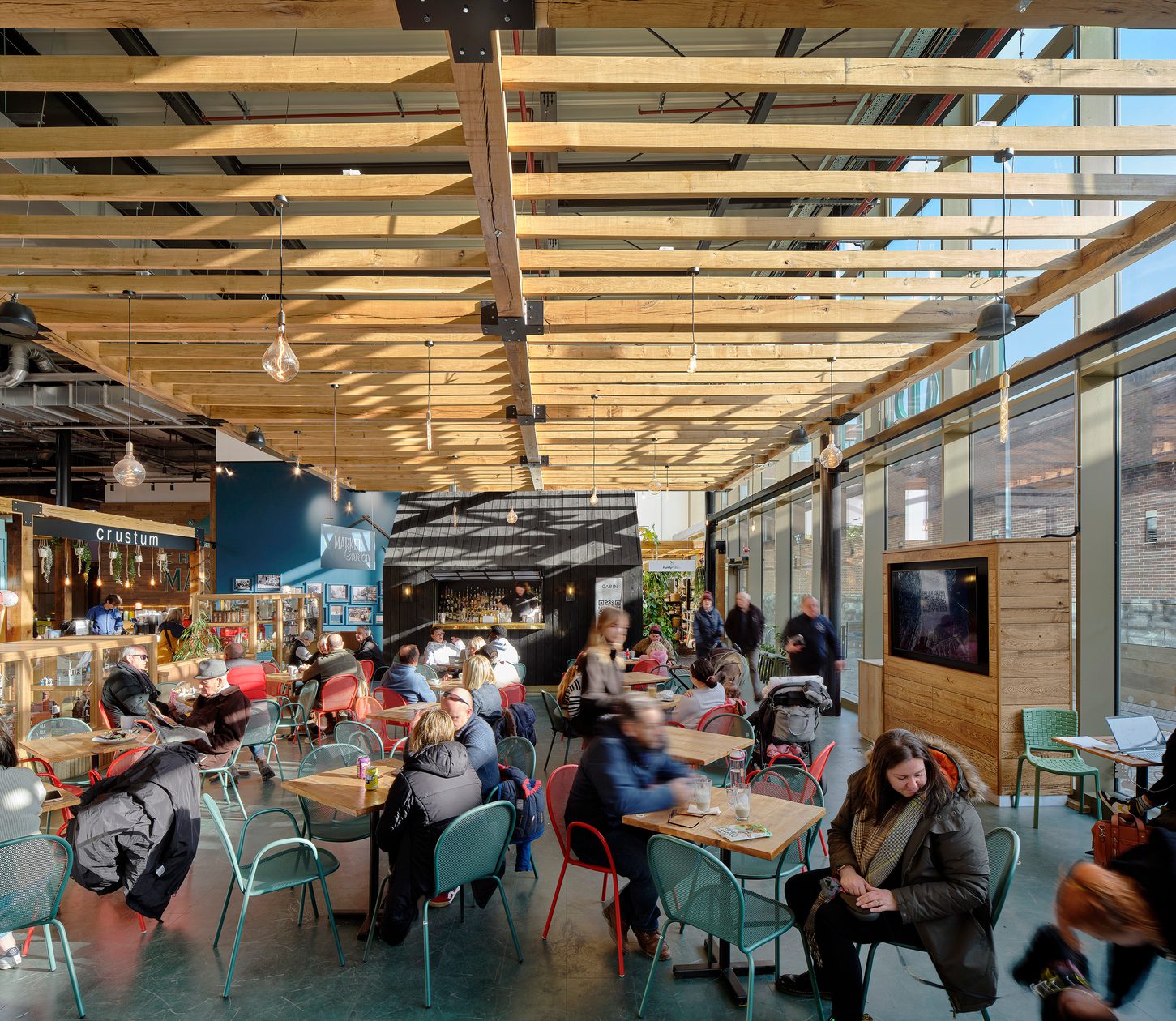
At Leek’s Trestle Market and Butter Market, we embraced the history of two Grade II listed buildings while preparing them for the future. This restoration has improved accessibility and energy performance without compromising on the site’s character.
The new food and drink units are such an important part of this regeneration so it’s fantastic to be joined by these local businesses as we start a new era for the markets."
Councillor Matt Swindlehurst
Cabinet member for leisure and tourism at Staffordshire Moorlands District Council4. delivering placemaking projects
Taking project from strategy to reality
Strong early planning helps translate ambition into deliverable, adaptable frameworks. It clarifies land capacity, infrastructure needs, policy alignment and long-term viability while leaving room for places to evolve.It offers a balance of structure and flexibility, helping teams navigate change without losing sight of the bigger picture.
Unlocking land
Many placemaking projects involve complex land ownership, layered funding routes and multi-phase delivery. Coordinating public and private investment, sequencing development carefully and choosing appropriate delivery models helps protect design quality over time.
Long-term care
In Birkenhead, a flexible 15-year framework has enabled phased regeneration while maintaining a clear vision for walkability, active ground floors and revitalised public realm, allowing the place to respond to changing market conditions without losing coherence.
Early activation
Early activation, meanwhile uses and pilot projects can build momentum, test ideas and maintain community engagement across long delivery periods. Phasing strategies help ensure every stage contributes positively to the emerging place, supporting walkability and public realm from the outset.
A place succeeds when people can use and enjoy it easily over time. Considering accessibility and spatial clarity early on helps create environments that age well and remain manageable in cost and upkeep."
Dominic Manfredi
Director, Architecture5. resilient placemaking
Shaping robust, future-ready places
Resilience is about more than reducing risk. It is about creating places that can adapt, evolve and remain relevant. Buildings and neighbourhoods that can evolve over time reduce the need for carbon intensive redevelopment. Flexible floorplates, modular systems and passive design strategies allow spaces to shift as needs change, supporting both environmental and social resilience.
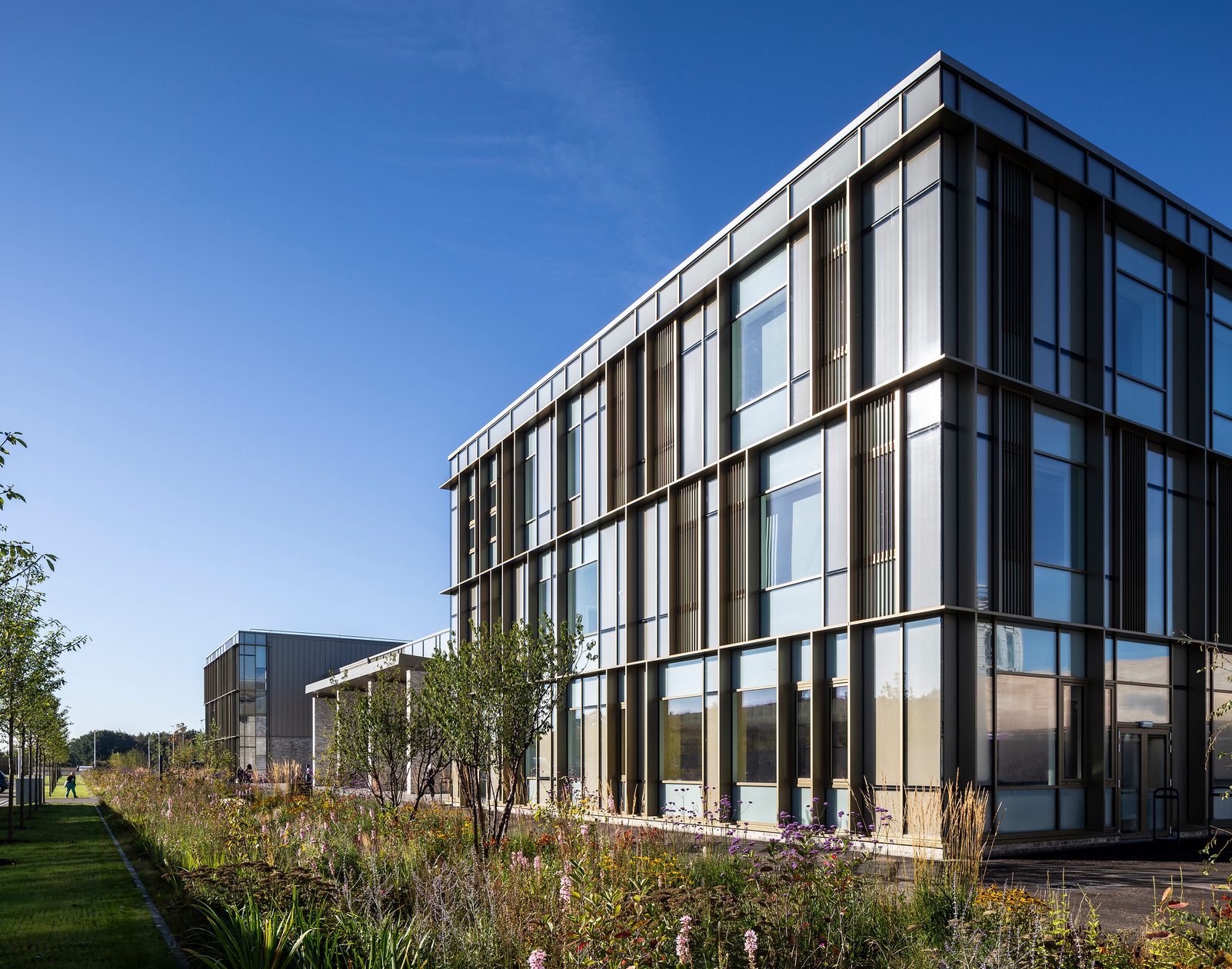
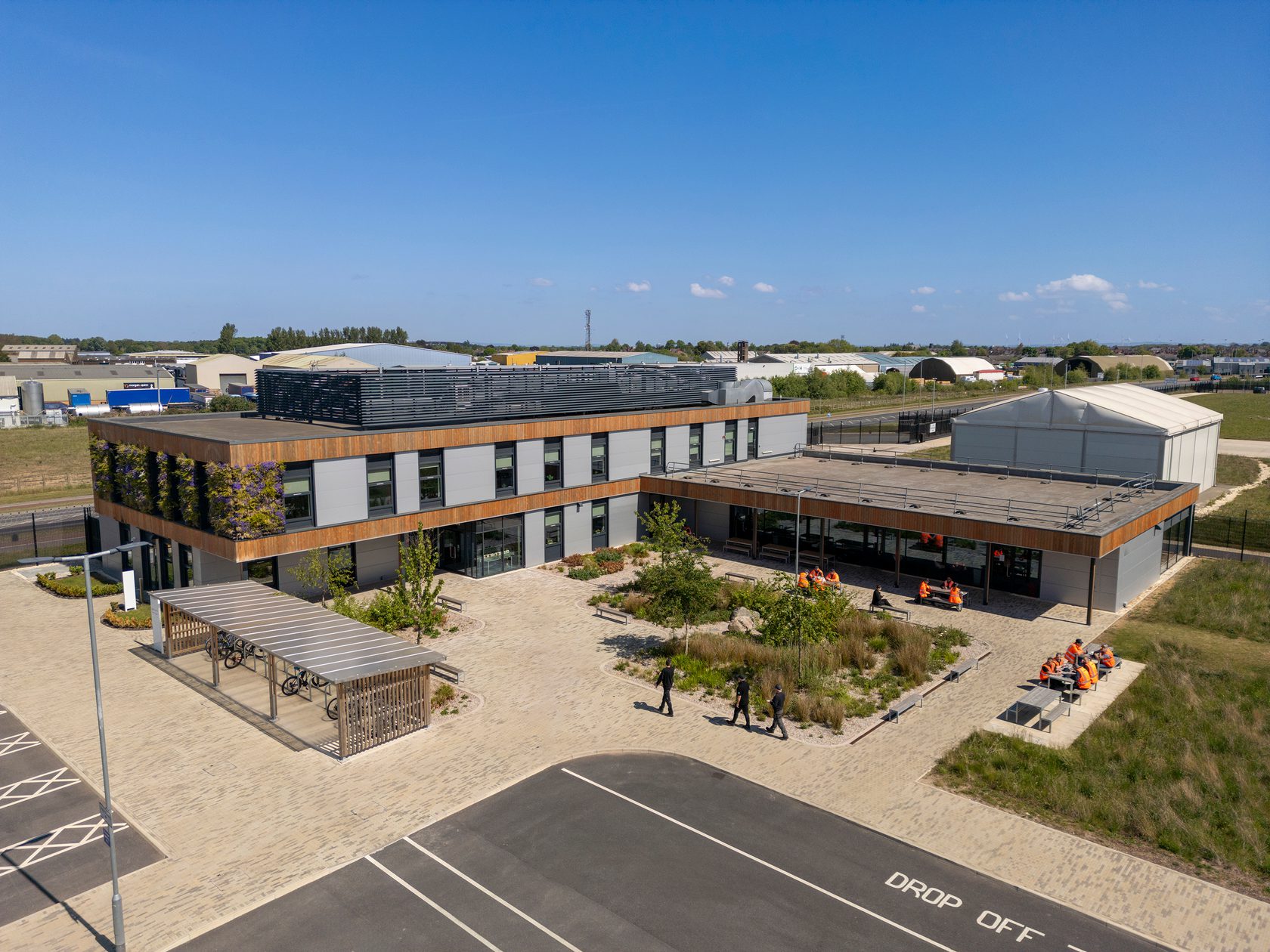
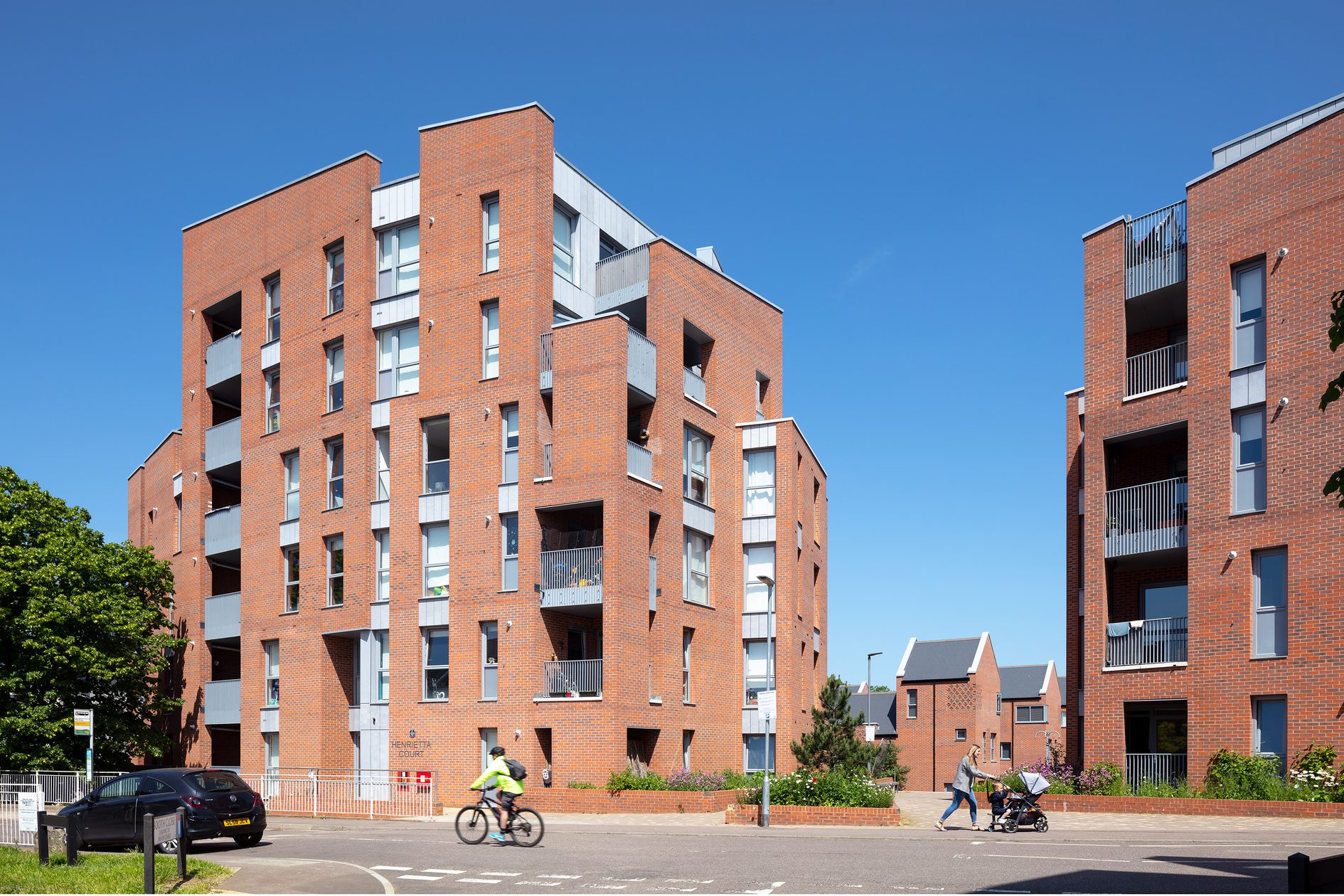
flexibility in practice
Creating meaningful links to nature
6. designing healthy places
Wellbeing, inclusion and everyday life
Healthy places support physical, mental and social wellbeing. They are walkable, safe, inclusive and connected to nature, with good daylight, ventilation and acoustic comfort. When these elements come together, they not only support wellbeing but can also help reduce the health inequalities many communities face. Designing with health in mind from the outset helps reduce inequalities and ensures places work for everyone.
Inclusive places
Inclusive design begins with understanding how different people experience places every day. Women and gender-diverse people may navigate spaces with specific safety considerations; older residents may look for seating, shade or shorter walking distances; neurodiverse people may feel more at ease in predictable layouts with softer sensory cues.
Nature-led design
We know that nature also brings balance to a place. Green and blue spaces reduce stress, create opportunities for movement and reflection and strengthen biodiversity. Whether community gardens, planted streets or larger spaces such as SANGs (suitable alternative nature greenspaces), access to nature helps people feel grounded.
Strengthening place
This joined-up thinking underpins our work at Victoria Square in Braintree, a mixed use town-centre regeneration scheme centred around a new health and wellbeing hub. By bringing GP services, preventative care and community support together in the heart of the town centre, the project shows how prioritising health can become a visible, integral part of placemaking.
7. the legacy of place
Measuring long-term impact on people and communities
The true value of placemaking emerges over time. The most successful places are those designed to adapt and stay relevant as life around them moves on. As demographics shift and services evolve, flexible buildings and public spaces allow communities to grow, reorganise and respond to new needs. Designing with adaptability in mind gives places the ability to adjust without losing their identity or disrupting daily life. It is a way of future proofing the investment made at the very beginning.
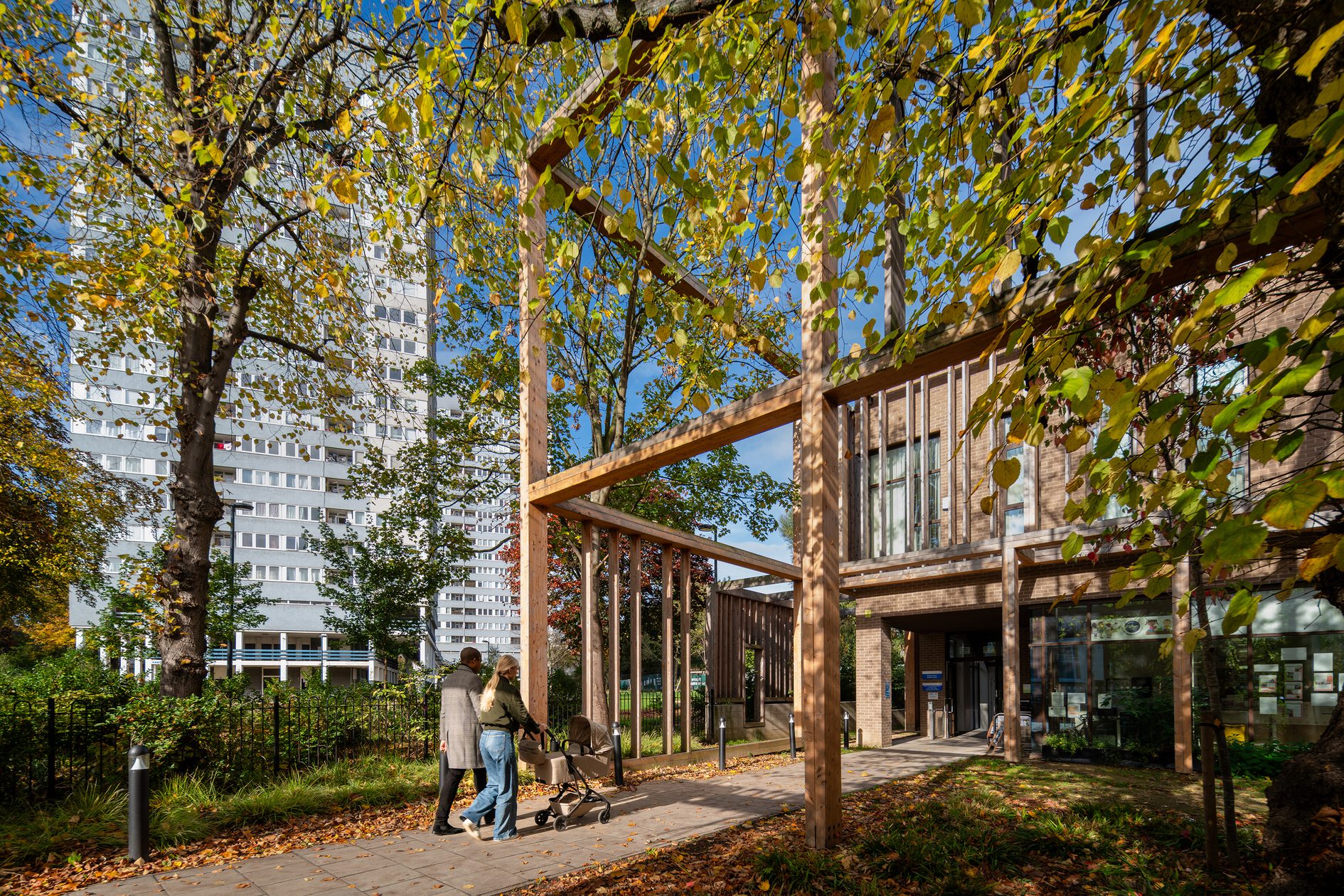
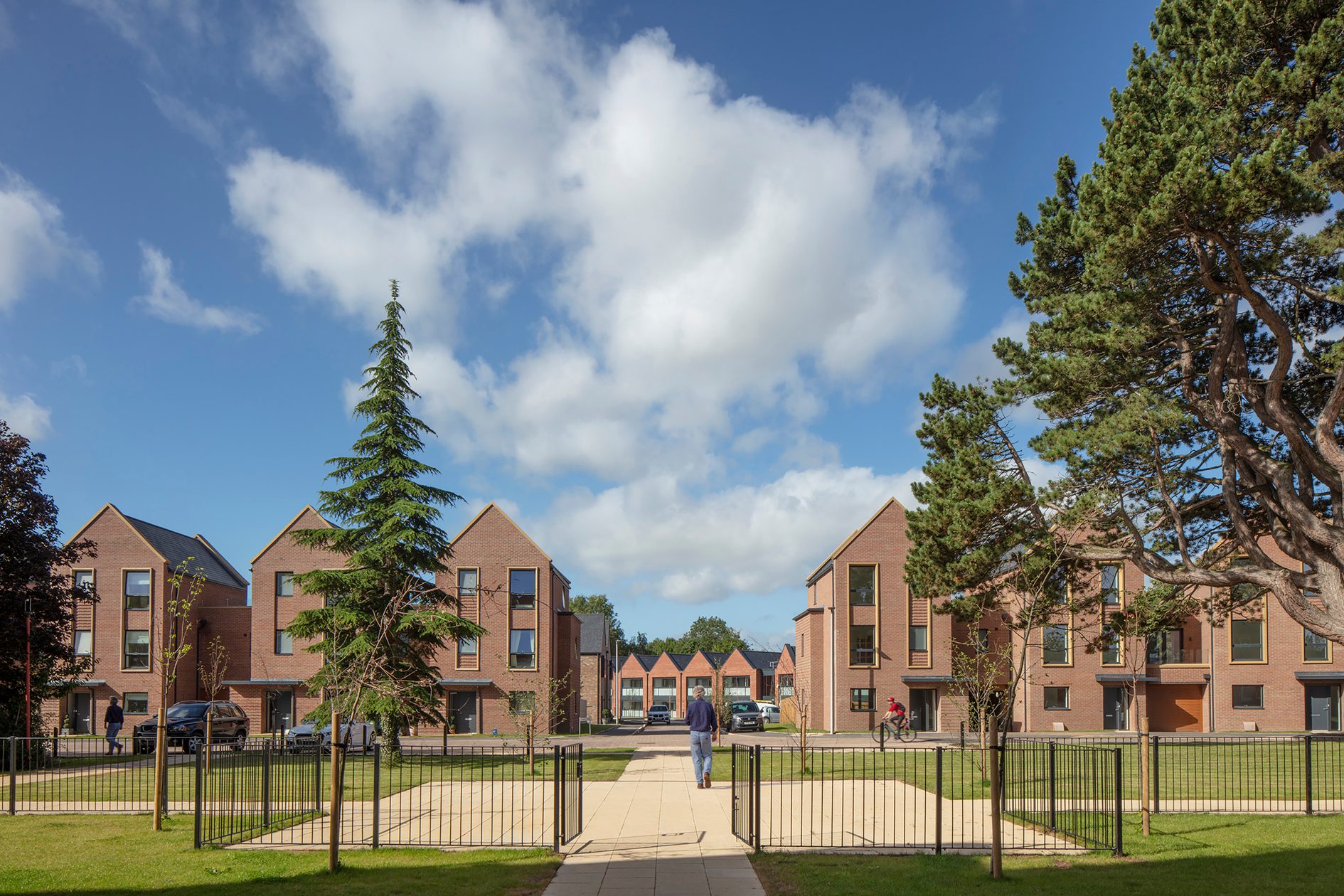
adaptability in practice
Shaping adaptable, flexible places
Looking ahead
We can help you
If you are planning a new community, regeneration project or long-term estate strategy, we would be delighted to continue the conversation.
Related Projects

Broad Street Mall
Part of Reading town centre regeneration masterplan, we have created 643 new apartment homes over four blocks, with retail spaces and renewed public realm.

Radbrook Village
Our residential masterplan, with a mixture of 126 new and refurbished homes, including the restored Grade II listed Radbrook Hall.

Wapping Wharf North
This mixed use development including a mix of 245 homes, 5,000 sqm of flexible workspaces and new public realm and is a new community destination.