Thought Leadership
The legacy of place: Measuring the long-term impact of placemaking

by AHR
Every place tells its story differently, some shaped by new ideas for growth and connection, others through reimagining what already exists. But what truly defines success is not only how a place begins, but how it endures and continues to evolve.
As we conclude our placemaking series, we turn our attention to the idea of legacy and how the places we shape today continue to evolve and adapt over time. For us, placemaking is an ongoing journey of stewardship, adaptive reuse and learning. Our role extends beyond delivery: it’s about ensuring every place we shape remains meaningful, inclusive and environmentally responsible in the long term.
In this final piece, we explore how we measure long-term impact, through post-occupancy insight, whole-life value and a deep commitment to sustainability and community wellbeing. These principles form the foundation of our approach to placemaking with purpose, creating resilient, people-centred places that continue to enrich lives far into the future.
Designing adaptable places that evolve with community needs
The way that people live and connect shifts over time, and this is often influenced by climate, culture, technology and community needs.
We’re seeing this shift reflected in the way services are delivered, too. Healthcare is no longer something that sits apart from everyday life, it’s becoming part of it. Instead of being concentrated in large, central facilities, new models of care are emerging within our neighbourhoods. Health, wellbeing and community uses are being brought together, creating places that feel more connected and accessible for everyone.
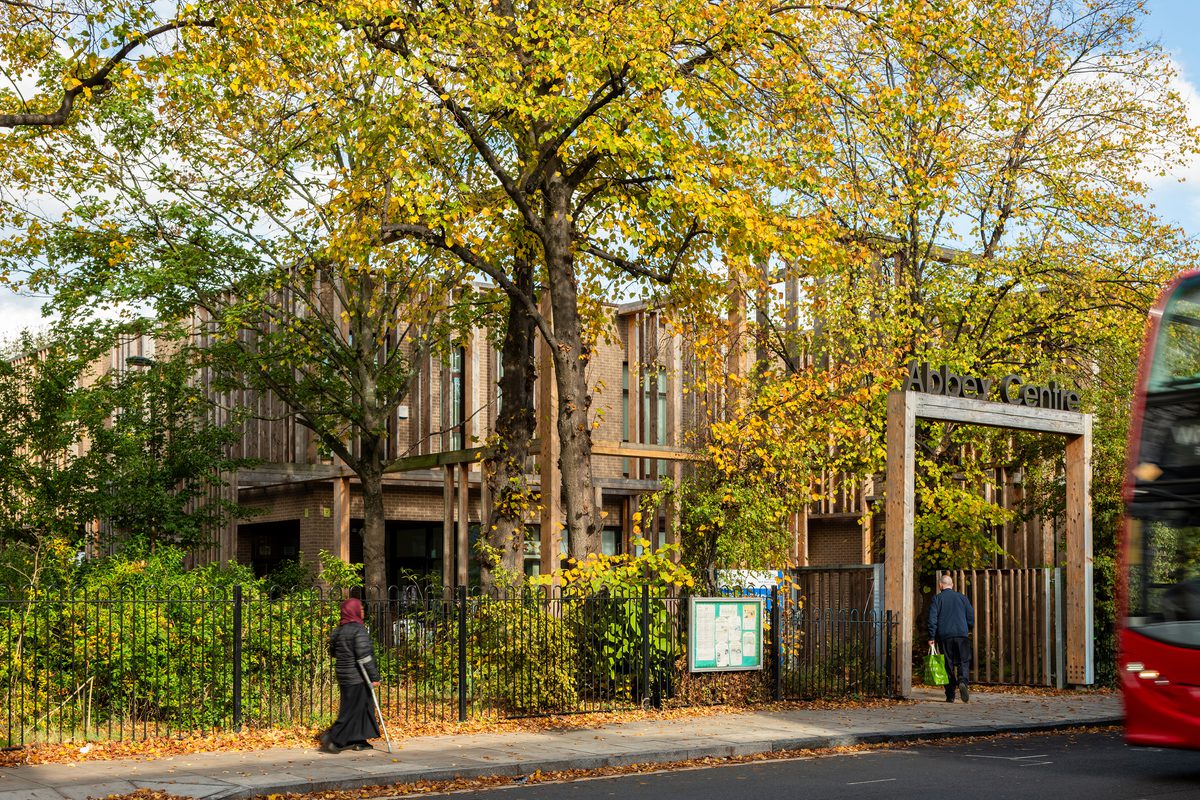
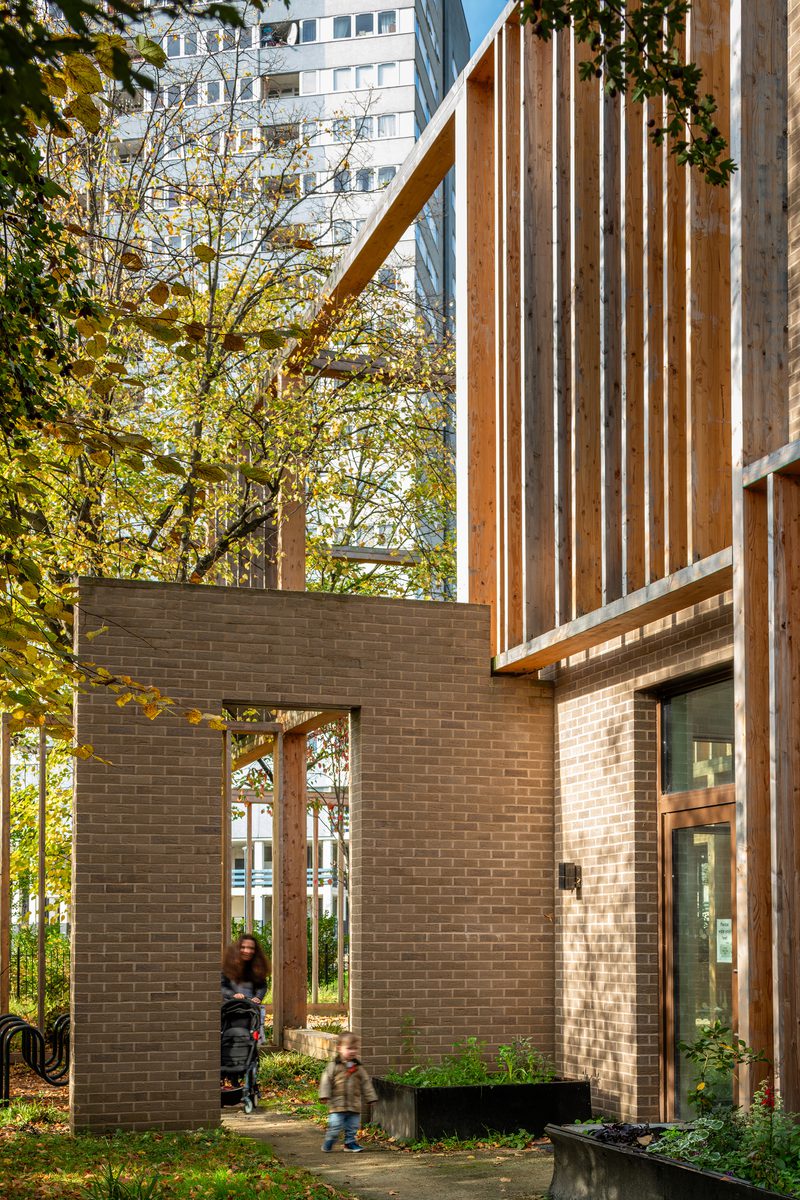
Our Abbey Area Community Hub in Camden is a strong example of this approach. Designed as part of the wider Abbey regeneration, the hub brings together a community centre, health clinic and landscaped gardens within one integrated space. This mix of uses supports both physical and social wellbeing, offering clinical services alongside spaces for learning, volunteering, and community activities, all connected by green, restorative outdoor areas.
As demographics change, with the UK’s population expected to increase from an estimated 67.6 million in mid-2022 to 72.5 million in mid-2032 and 76.6 million in mid-20471, places like Abbey Area highlight the importance of designing adaptable neighbourhoods that support ageing communities.


Stewardship as the foundation of resilient places
The long-term success of any place depends not just on how it’s built, but how it’s cared for. Stewardship keeps places alive, a shared endeavour that connects design, management and governance.
Stewardship begins with listening. Meaningful consultation and inclusive governance help us understand local values and empower communities to shape their environments.
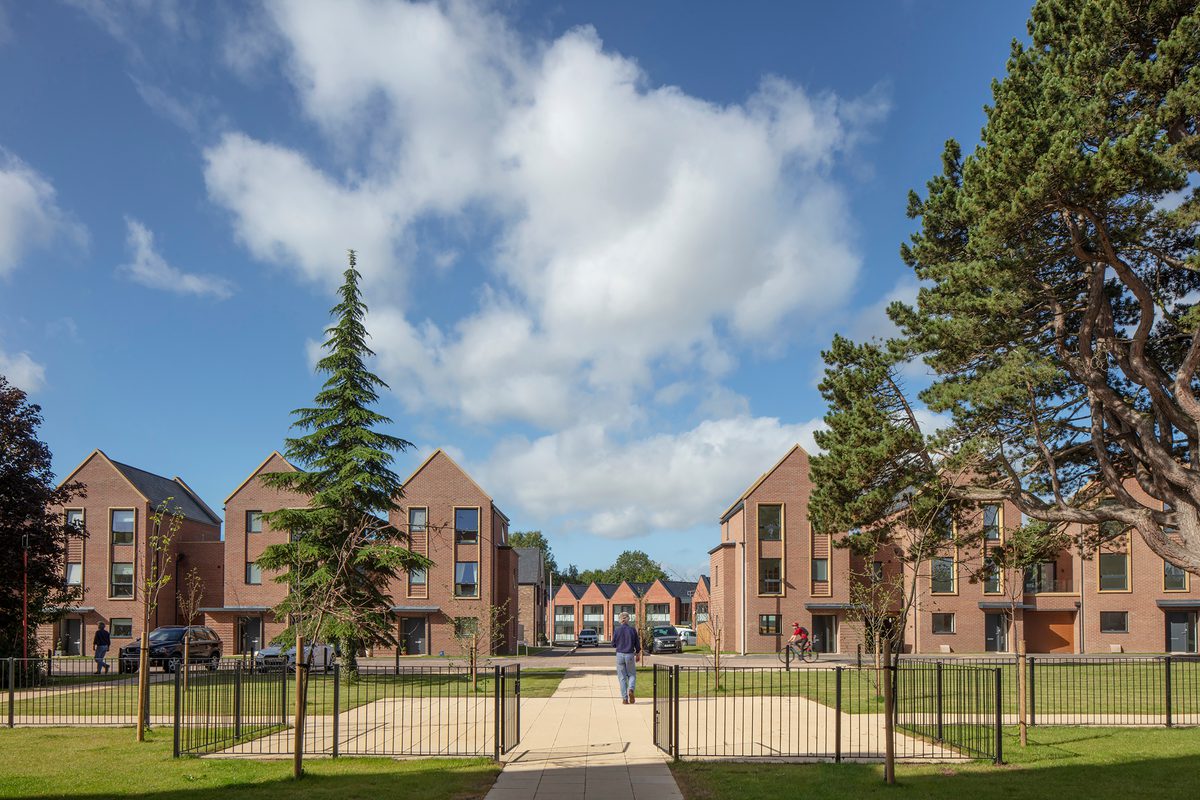
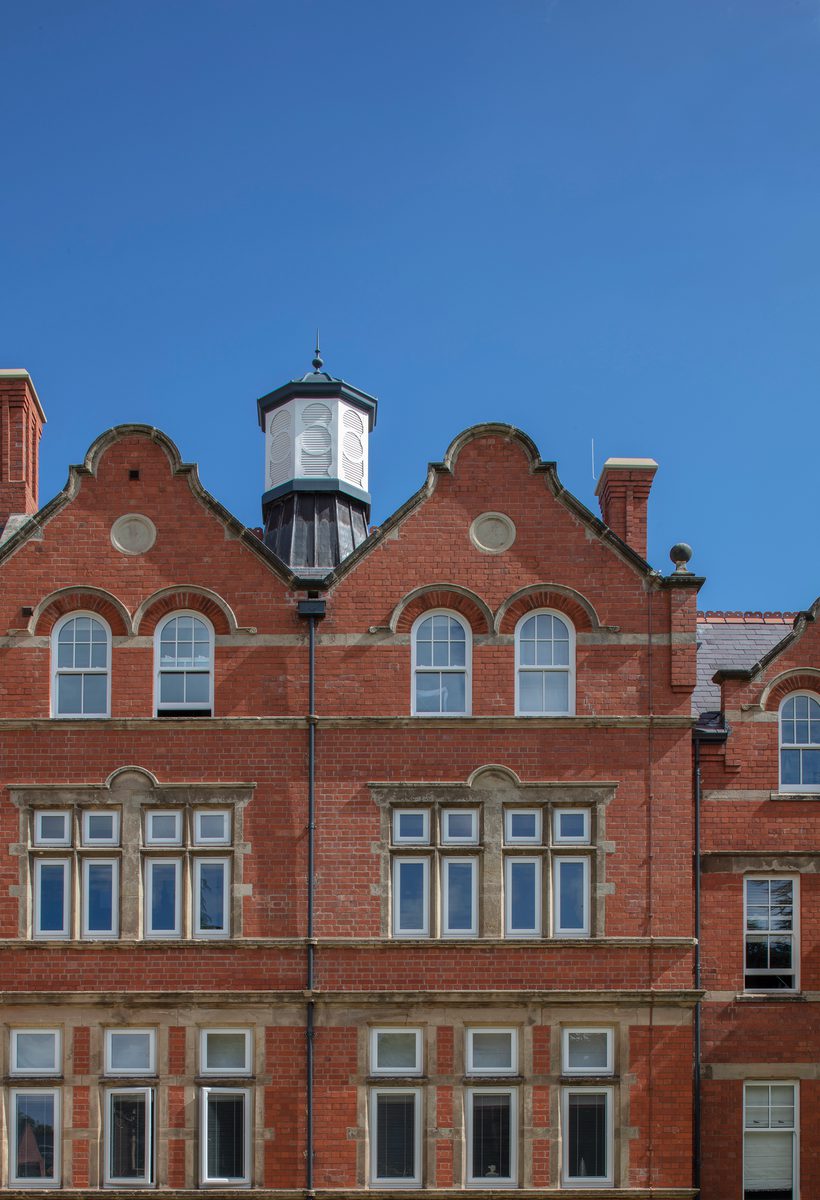
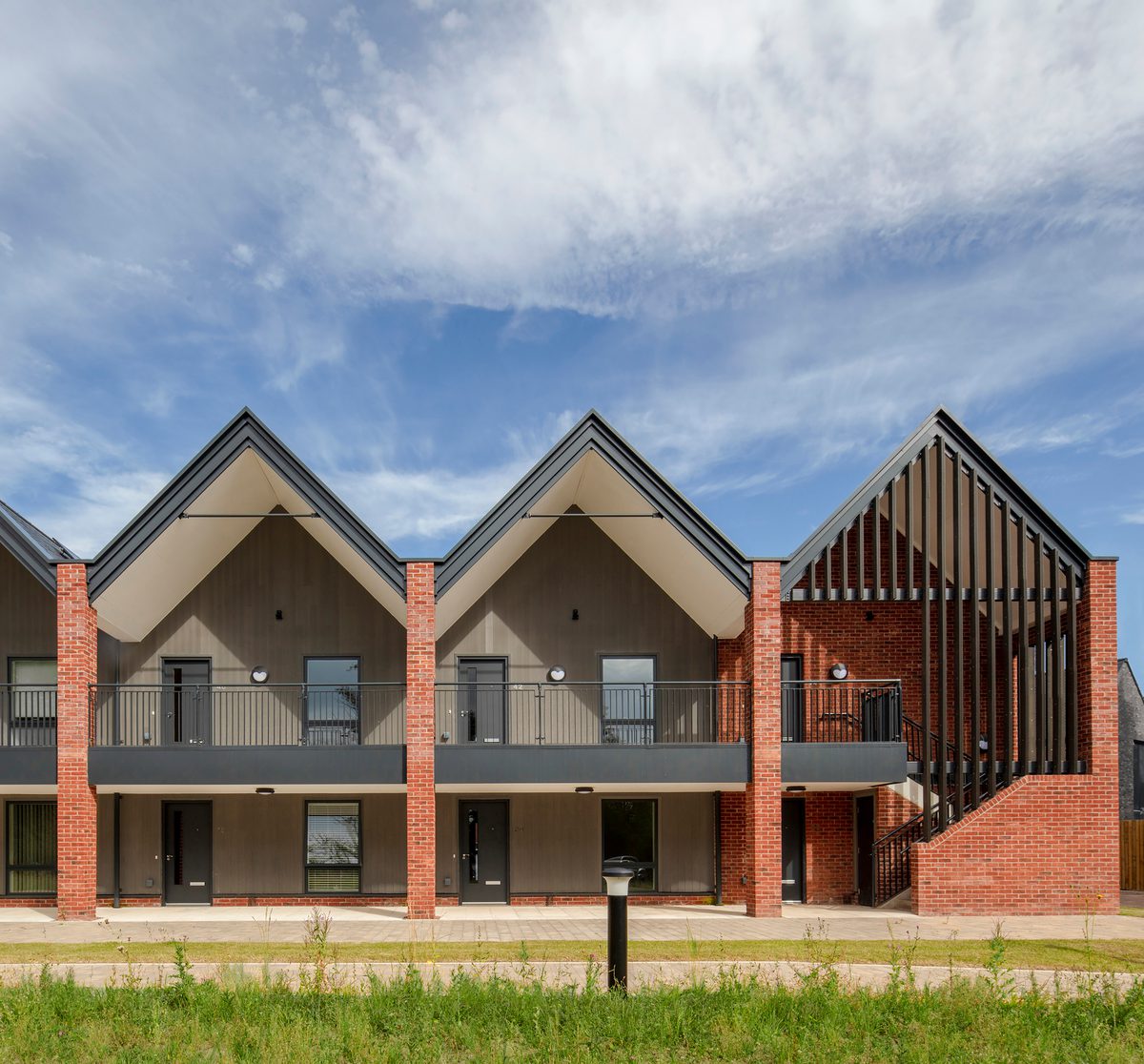
At Radbrook Village in Shrewsbury, we reimagined a former hospital site into a vibrant residential neighbourhood that retains a strong sense of place. By carefully integrating existing heritage buildings with sensitively designed new homes, green spaces and local amenities, we helped to create a community rooted in continuity and belonging.
Years after completion, the village continues to thrive as a multi-generational environment, shaped and sustained by the people who live there. This evolution reflects the essence of stewardship, where design and management come together to support long-term value and wellbeing.


Stewardship, when viewed systemically, transforms placemaking into a long-term process rather than a one-off intervention. It connects design with governance, community with continuity, and ensures that the places we create today continue to thrive, adapt and contribute positively for generations to come.2
The role of design in shaping sustainable urban legacies
Every design decision shapes a legacy, carrying a responsibility to meet today’s needs while creating lasting value for generations to come.
Thoughtful design supports social value by improving access, wellbeing and inclusion. The same applies to sustainability: creating places that are generous, adaptable and enduring.
At a wider scale, this means shaping masterplans that grow and evolve over time:
- Connected neighbourhoods that prioritise walking, cycling and public transport.
- Green and blue networks that restore nature and manage climate impacts.
- Public spaces that bring people together and strengthen civic life.
- Mixed uses that balance living, working and leisure for vibrant, low-carbon communities.
At a building level, the focus shifts to longevity and flexibility:
- Durable, low-carbon materials that can be repaired or recycled.
- Adaptable layouts ready for changing uses and technologies.
- Healthy, biodiverse landscapes that enhance wellbeing and support regeneration.
Ultimately, it’s about designing places that feel good to use, stand the test of time and keep adding value to the people and communities they serve.
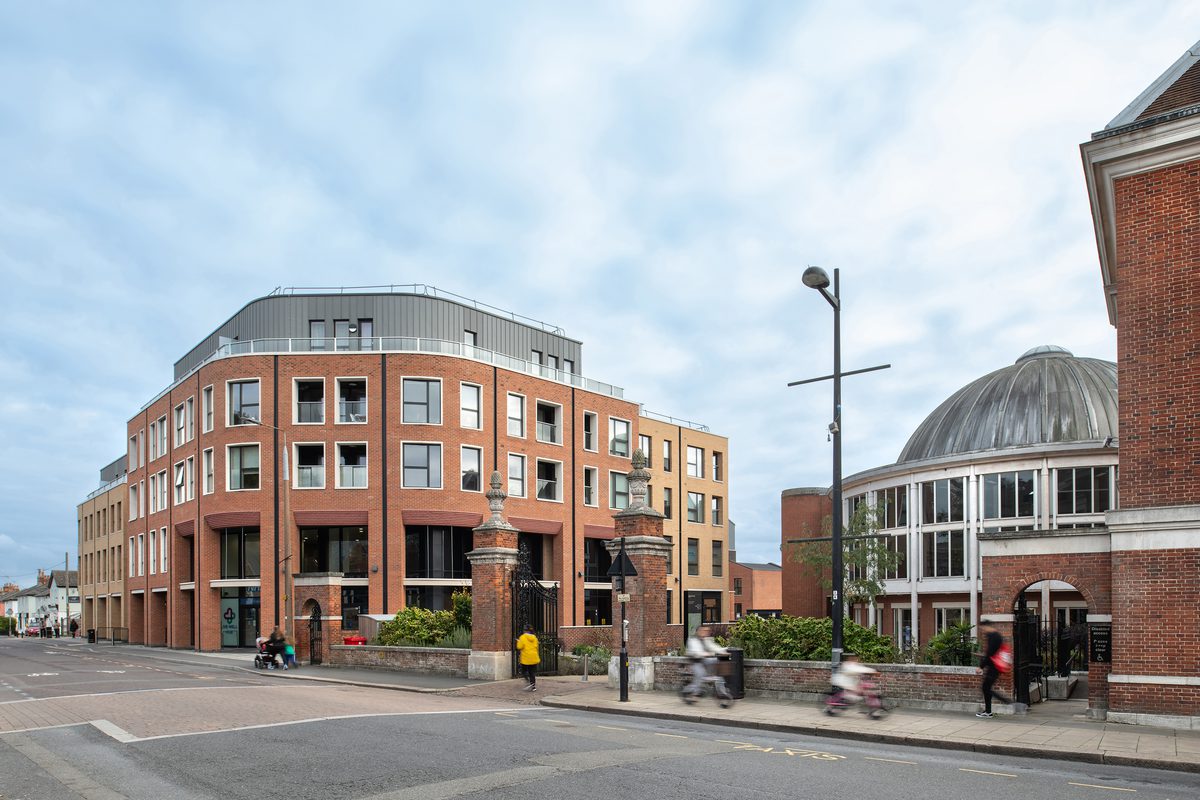
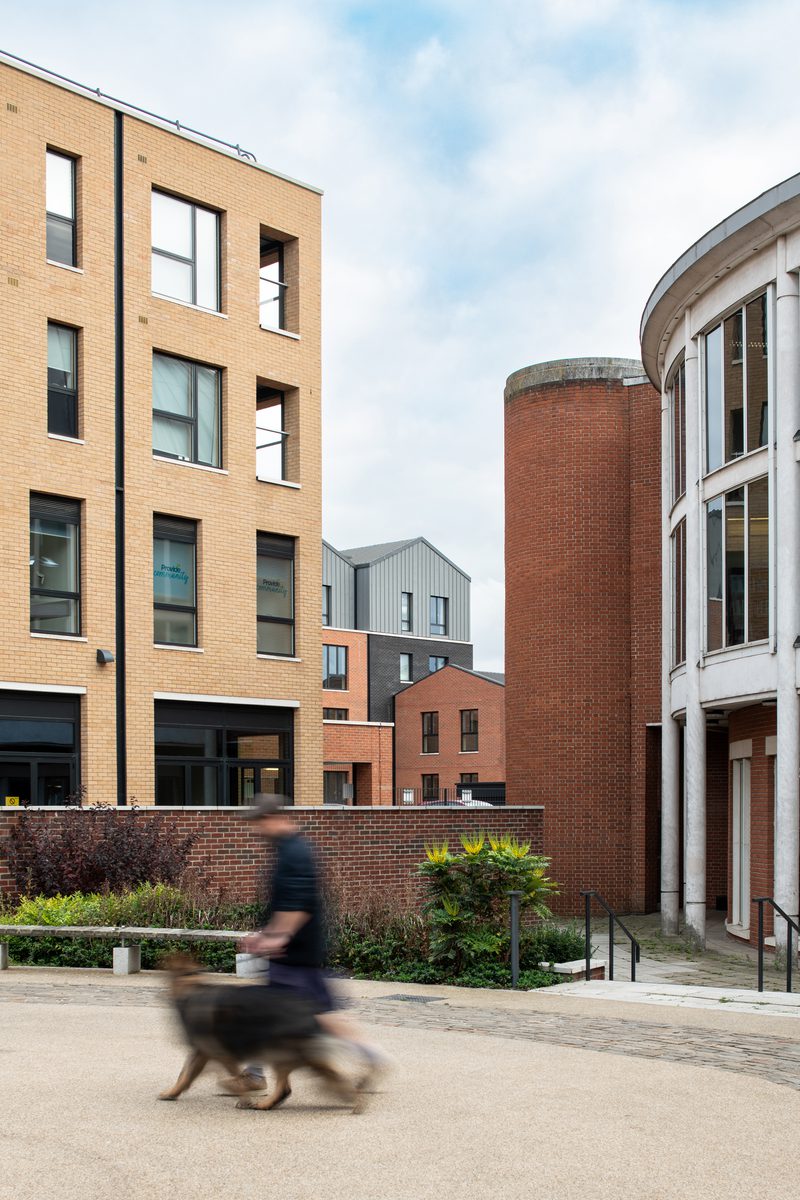
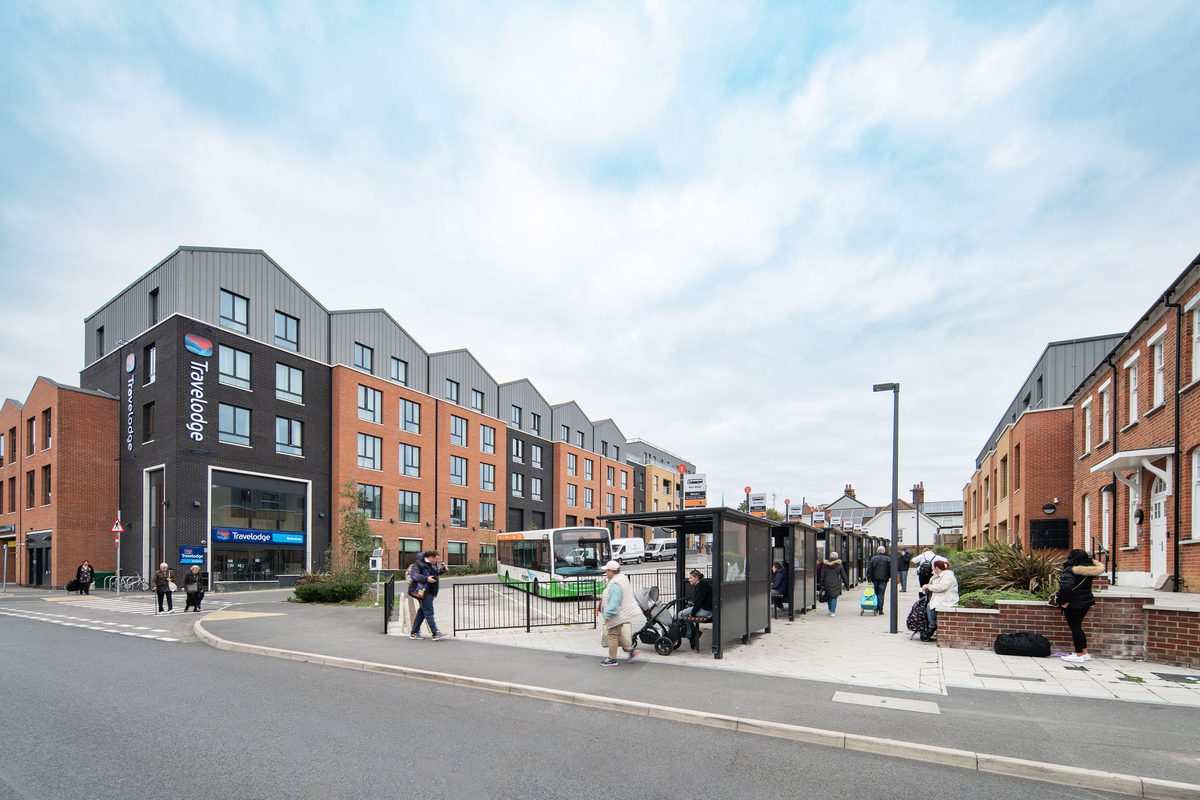
Victoria Square in Braintree shows what this can look like in practice. Designed to revitalise the heart of the town, the project brings together healthcare, retail, homes and high quality public space in a way that reflects the area’s character while supporting long-term growth. A new pedestrian link reconnects key destinations, including a modern health and wellbeing hub that brings healthcare back onto the high street, while enhanced planting and public-realm upgrades create welcoming places to spend time.
By carefully stitching the development into its wider context, the scheme helps create a more resilient and future-ready town centre,a lasting demonstration of how design can enrich local life and strengthen the urban fabric for generations.


Designing better places through performance insight
One of the most powerful ways to understand the legacy of a place is through evidence. Every completed project becomes part of a wider learning cycle, helping us see how design intent translates into experience, and how places truly perform once they’re lived in.
Post-occupancy evaluation (POE) plays a key role in this. By monitoring energy use, gathering user feedback and reviewing performance over time, we build a clearer picture of how people interact with their environment. This isn’t just about technical outcomes but about understanding how design decisions shape comfort, wellbeing and a sense of belonging.
These insights help us refine our approach to placemaking. We learn which spatial qualities encourage community interaction, which environmental strategies deliver genuine reductions in carbon, and which design choices support long-term stewardship.
Our decarbonisation roundtable discussions reinforce the importance of this feedback loop, showing how measured performance can guide more sustainable decisions and reduce operational energy across various settings. By linking data with human experience, we create places that not only meet expectations at handover but continue to improve and adapt throughout their life.
Reimagining and reusing places through digital insight
Every building has the potential to evolve. Through adaptive reuse, we can give existing places new life, preserving what makes them special while shaping them for the future. It’s a process that blends creativity with care, balancing the stories that came before with the opportunities ahead.
At the Old Medical School in Leeds, we’re helping to transform a much-loved heritage building into a new health innovation hub. By using digital surveying, 3D data capture and Scan to BIM modelling, our geomatic and building consultancy teams have been able to uncover the finer details of the building’s structure and condition. This deeper understanding is guiding sensitive design decisions, allowing the building to adapt and thrive once again.
Data and design work hand in hand to keep places relevant, resilient and full of purpose for generations to come.
 We're reimagining the Old Medical School, Leeds
The benefits of long-term stewardship
When we talk about measuring success, we often think in terms of performance metrics, energy, carbon and cost. But the true legacy of place lies in the value it brings over time.
Whole-life value means considering economic, environmental and social impact across the entire lifecycle. It’s not just about the cost to build or operate, but about the benefits a place delivers: improved health outcomes, social cohesion, local pride, biodiversity and long-term economic opportunity.
Recent industry insight has reinforced the importance of this broader view of value, with organisations such as the UK Green Building Council highlighting the shift towards place-based approaches.3
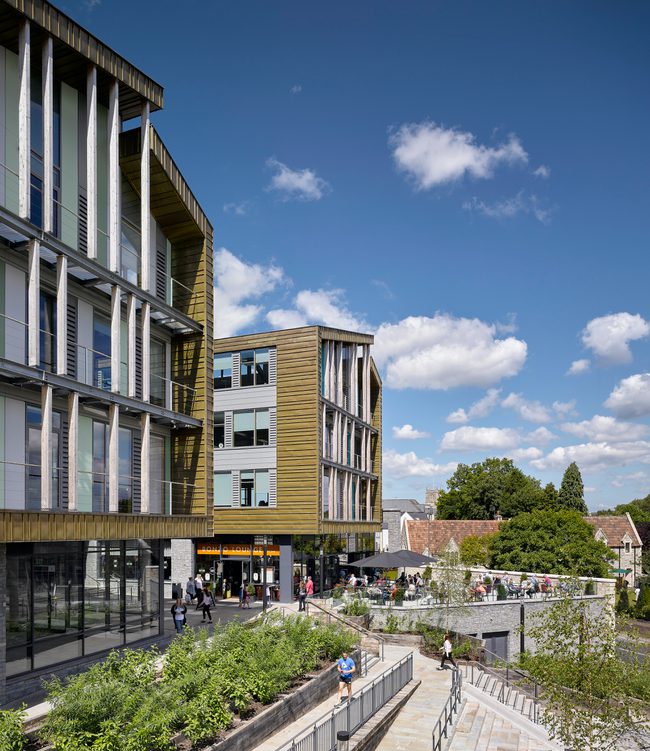
We see this principle in action at Keynsham Civic Centre and One-Stop-Shop where early investment in flexibility, performance and low-carbon design continues to deliver measurable long-term value.
A decade after completion, the building operates at around 40% lower energy use than comparable facilities and remains a thriving civic hub for the local community.
Its continued success shows how whole-life thinking can turn a civic building into a living piece of placemaking, one that supports economic vitality, social cohesion and environmental performance over time.
By thinking long term, designing for adaptability and reuse, measuring performance, supporting stewardship and valuing people above all, we ensure the places we shape today continue to make a positive impact for generations to come.
Placemaking, in this sense, is never finished. It is a living and collaborative process that connects vision with care, and design with the evolving stories of the people and communities we serve. Each project, whether new or renewed, contributes to a shared legacy of creating resilient and sustainable environments that stand the test of time.
If you have enjoyed this read and would like to explore more, you can revisit the earlier pieces in our placemaking series, where we discuss wellbeing, inclusion, resilience and the evolution of place:
If you would like to explore how we can help you shape the future of your places through design, stewardship and sustainable development, we would love to hear from you. Get in touch with our team.
Frequently asked questions
For us, placemaking is about shaping environments that support people, communities and the planet. It goes beyond architecture, bringing together design, sustainability, stewardship and social value to create places that are inclusive, adaptable and enriching over time.
We measure success not only by how a building performs at handover but by how it continues to deliver value in use. This includes post-occupancy evaluation, whole-life carbon assessments, energy performance monitoring and community feedback. These insights help us understand how design intent translates into lasting social, environmental and economic benefit.
Stewardship is about caring for a place throughout its life. It involves nurturing, maintaining and adapting environments so they continue to meet the needs of their users. Our building consultancy and geomatic teams support clients with asset management, retrofit and reuse strategies that ensure long-term sustainability and performance.
Reusing and adapting existing buildings reduces embodied carbon, preserves heritage and strengthens community identity. Projects such as Radbrook Village and The Old Medical School in Leeds show how we bring new life to existing structures, balancing conservation with modern needs and ensuring places remain relevant for future generations.
Whole-life value considers the environmental, social and economic performance of a place across its entire lifecycle. We integrate this thinking into every stage of design, from materials selection and energy efficiency to community wellbeing and adaptability. The Keynsham Civic Centre demonstrates this approach in action, delivering lasting value through flexibility, low-carbon performance and civic benefit.
Data allows us to make informed, evidence-based decisions. Using tools such as digital twins, Building Information Modelling (BIM) and post-occupancy analysis, we track how places perform and evolve. This insight helps us refine designs, support smarter maintenance and ensure the spaces we create remain sustainable and people-focused long into the future.
Posted on:
Dec 17th 2025
Topics:
Share on
Related Projects

Langarth Garden Village
The nature-led masterplan, developed with the local community will create a healthy environment for people to live in, grow and develop over time.

St Mary's Island Masterplan
Across 150 acres, the regenerative, residential masterplan provides 1,700 homes with shops, a school, community facilities, public realm and a marina.

The Spine
Our design utilises pioneering research in innovative ways, creating an exceedingly positive and responsive workplace that will be one of the healthiest workplace environments in the world.