Thought Leadership
Designing healthy places: The role of placemaking in wellbeing and inclusion

by AHR
Healthy places are those that enable people to thrive across generations. They are designed not only for today’s needs but to remain adaptable and resilient as conditions change.
We design places that support physical and mental health, fostering healthier, more connected communities. By recognising the critical role that built and natural environments play in wellbeing, our designs encourage active lifestyles, social interaction and access to nature.
Placemaking is about more than the physical fabric of buildings. It shapes how people feel, how they move, and how they connect. For developers and public sector leaders, health and wellbeing are now critical measures of value.
What makes a healthy place?
The built environment directly affects physical and mental health. A healthy place is one that supports people on multiple levels, across all settings, whether at home, at work, in school or in the public realm.
- Physical wellbeing comes from clean air, safe and walkable streets, opportunities for active travel, and access to nature.
- Mental wellbeing is shaped by the sensory qualities of places and is supported by environments that are calm, intuitive to navigate and provide natural light and views to greenery.
- Social wellbeing is strengthened by inclusive public spaces, opportunities for interaction and facilities that bring communities together. Healthy places create belonging.
Placemaking for equity and social value
Reducing health inequalities
Environmental disadvantage drives poor health. Cold homes, unsafe streets and a lack of green space or transport all correlate with reduced life expectancy. The Marmot Review 10 Years On highlights the built environment as a major driver of inequality1. Evidence from housing condition surveys, local health data can help identify where poor housing, unsafe streets or limited green space most affect communities.
Inclusive design in placemaking
Inclusive design is central to reducing inequalities. Different groups experience places in different ways, and ignoring these needs deepens disadvantage.
- Women often judge the safety of public spaces by visibility, openness, lighting and activity levels.
- Older people rely on step-free access, frequent seating and safe crossings. Warm, energy-efficient homes and affordable heating protect against cold-related illness and fuel poverty.
- Neurodiverse people benefit from quieter routes, predictable layouts and reduced sensory overload indoors.
- Disabled people require design that meets accessibility standards as a minimum but ideally goes further, offering dignity and independence
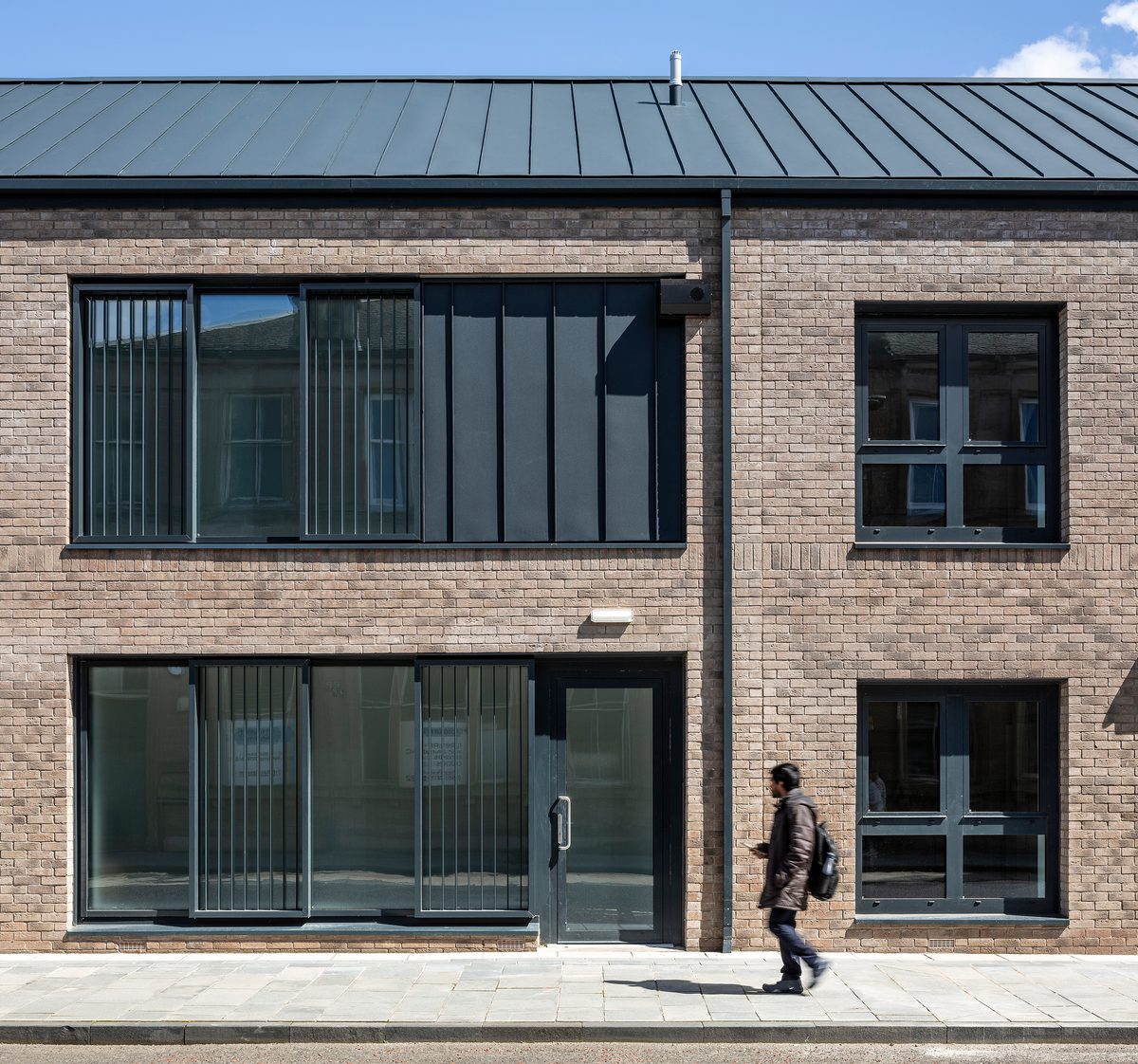
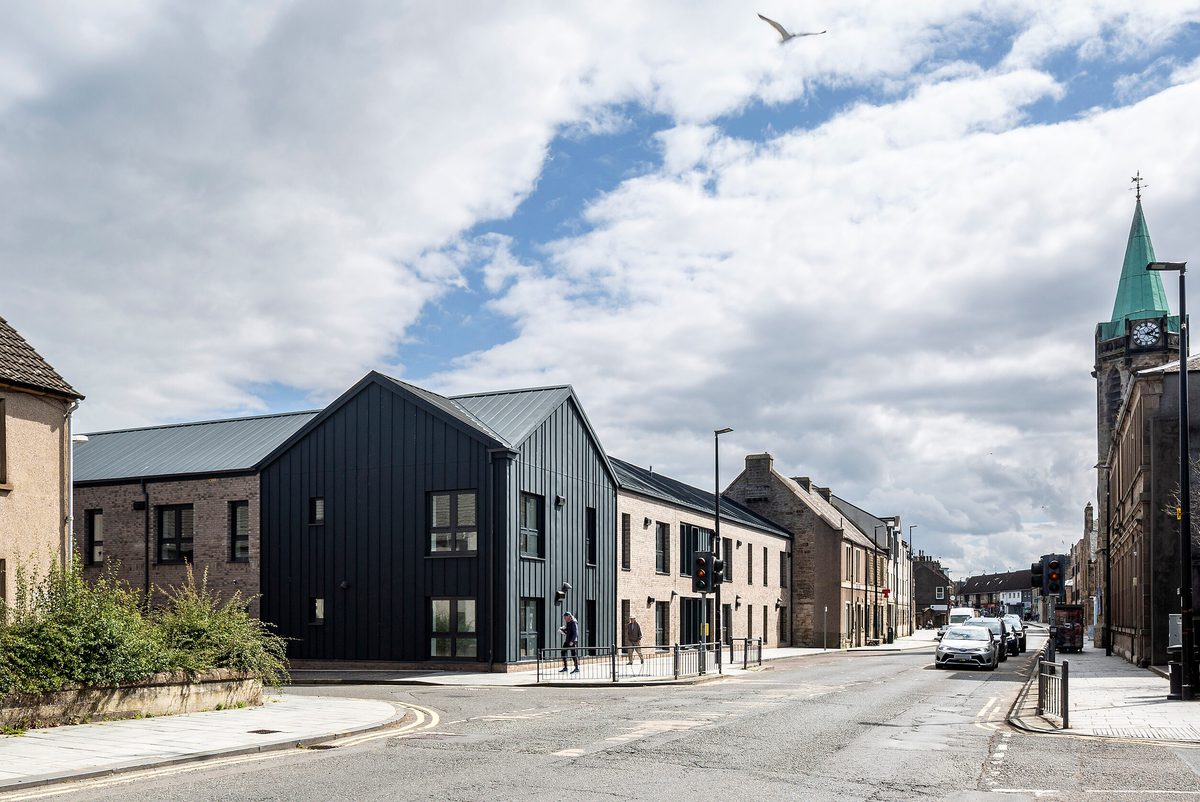
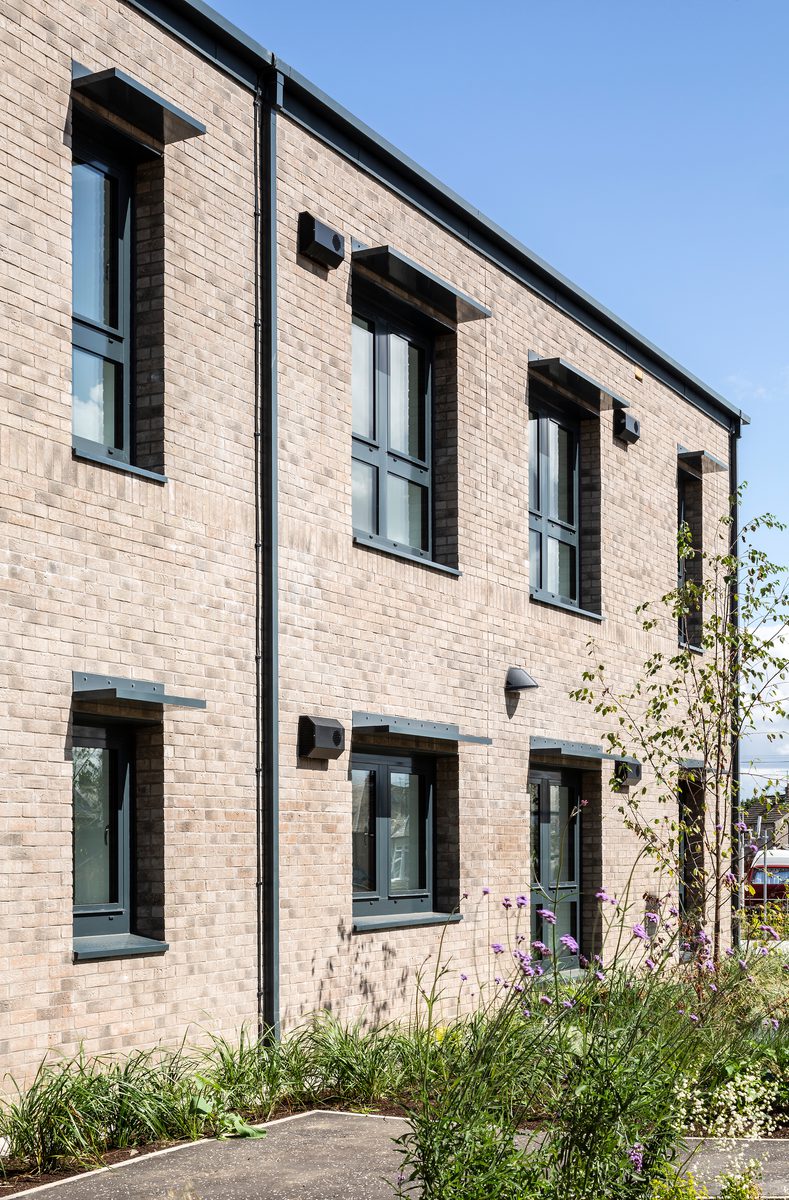
At 1–21 St Cuthberts in Bonnyrigg, we designed a supported living development that combines independence with community. The 20 apartments provide safe, adaptable homes for over-55s and people with learning disabilities, while the location ensures residents are within easy walking distance of healthcare, shops, supermarkets and transport links. This connectivity supports fuller, healthier lives, showing how inclusive design and placemaking go hand in hand.


Creating social value through placemaking
Affordable, energy efficient homes reduce fuel poverty and support stability in families. Walkable, connected neighbourhoods make education, employment, and healthcare easier to access. Safe public spaces encourage community life and stronger social ties. Embedding social value principles into design and planning ensures places deliver benefits that extend beyond the physical space. This means aligning regeneration with community priorities and establishing frameworks to measure long term outcomes.
Community involvement and co-design
Co-design builds trust and long-term value. Involving residents through walkabouts, workshops and consultation helps shape solutions that reflect local priorities and strengthen identity. As we explored in our article People First: Designing for community and identity, successful placemaking depends on understanding how people use and value their environments.
Designing for people
Healthy homes and housing
High-quality housing is the foundation for health. That means:
- Preventing damp, cold and overheating through orientation, shading and ventilation.
- Providing layouts that adapt to multigenerational living, home working or in-home care.
- Meeting measurable standards for acoustic privacy, daylight and thermal comfort.
- Retrofitting existing stock with fabric upgrades, low-carbon heating and renewables.
Mixed-use regeneration and daily life
Mixed-use development reduces car dependency and creates lively, resilient places. Design codes should secure active ground floors, diverse uses and appropriate density.
At Victoria Square in Braintree, we delivered a mixed-use regeneration scheme anchored by a new health and wellbeing centre, home to Mid Essex CCG’s first Livewell Hub. Bringing together a GP surgery, pharmacy and preventative healthcare services under one roof, the hub provides residents with more integrated access to care. Combined with homes, leisure, retail and a hotel, the scheme shows how mixed-use regeneration can embed healthcare at the heart of town centres.
 Victoria Square, Braintree
Healthy indoor environments in placemaking
Indoor comfort underpins learning, productivity and recovery. This might mean classrooms where daylight and good air quality, healthcare settings with clear layouts and views to nature, or workplaces that balance collaboration with quiet areas.
At The Spine in Liverpool, we designed one of the UK’s healthiest workplaces, achieving a Platinum WELL Standard and BREEAM Excellent rating. The building prioritises user comfort through abundant natural light, biophilic design and a highly efficient ventilation system.
Natural materials, flexible layouts and a focus on air quality create a workplace that actively supports wellbeing.
The Spine is an outstanding and innovative example of using workplace design to support cultural change, whilst providing a highly sustainable built environment and protecting the wellbeing of those that interact with it."
BCO North West Awards 2022 Judges
Designing outdoor spaces for health and wellbeing
Comfort and safety determine whether outdoor environments are used. Shade, shelter, seating and toilets extend usability across age groups and seasons. Streets designed for slower speeds and clear sightlines improve safety, whilst lighting strategies support confidence. Play provision close to homes allows children independence while remaining visible to carers.
Social infrastructure and community
Community facilities underpin health. Schools, libraries, healthcare facilities and community centres create opportunities for connection. They need to be accessibile and designed for flexible use. Pairing uses — for example, a GP clinic above a library — increases efficiency.
At Woodmill and St Columba’s RC High School in Dunfermline, we designed spaces that extend far beyond school use. A dedicated learning lab, complete with a community kitchen, performance space, recording studio, IT hub and multiuse media lab, is open to the wider public.
These facilities provide opportunities for local people to learn new skills, run classes, and host events, creating a shared resource that strengthens community life as well as supporting students.
Read our Woodmill and St Columba’s RC High School project case study
 Woodmill and St Columba's RC High School, Dunfermline
Natural drivers of health and wellbeing
Green and blue infrastructure for healthy placemaking
Access to nature is consistently linked to better health. Research from King’s College London’s Urban Mind project has found that exposure natural features such as trees or birdsong is linked to a roughly 20% lower risk of depression, and about 28% lower likelihood of loneliness2.
Parks, street trees, green roofs and community gardens all provide benefits, however small the intervention. Blue infrastructure such as rivers, ponds and water features add further value, supporting wellbeing and climate resilience.
At Beaufort Park, Bracknell, our masterplan sets 226 new homes within a network of green spaces. Children’s play and adventure trails, pocket parks, communal gardens and pedestrian paths are all within easy reach, while 5.75 hectares of Suitable Alternative Natural Green Spaces (SANG) with nature trails extends access to nature for residents and the wider community.
New planting delivers biodiversity net gain, and character areas arranged around a central park connect neighbourhoods through green connections.
 Prioritising health and wellbeing
Daylight in buildings, air quality and pollution
Daylight quality supports focus, rest and recovery. Orientation, massing and façade design should be tested to ensure good natural light year-round. Where daylight is limited, circadian lighting can help regulate sleep and attention.
Air pollution remains one of the UK’s most significant health risks. The Committee on the Medical Effects of Air Pollutants (COMEAP) estimates that long-term exposure to air pollution has an effect equivalent to around 29,000 premature deaths each year in the UK3. Poor air quality contributes to respiratory illness, reduced cognitive performance and widening health inequalities.
Noise pollution also impacts health. The World Health Organization’s Environmental Noise Guidelines for the European Region (2018) highlight strong evidence linking chronic noise exposure with cardiovascular disease and poorer mental wellbeing4.
Tackling pollution requires coordinated action. At the urban scale, measures such as cleaner transport, traffic calming and clean air zones reduce exposure. At the building scale, airtight envelopes with controlled ventilation, acoustic modelling and low-emission materials help safeguard indoor environments.
Active travel and access in healthy placemaking
Movement brings these elements together by encouraging exercise but also about connecting people to opportunity. Walkable neighbourhoods, safe cycle routes and reliable public transport provide access to schools, healthcare, shops and jobs. Reducing reliance on cars also lowers household costs and improves air quality.
 Broad Street Mall, Reading
Putting health and wellbeing at the centre
Healthier places reduce pressure on the NHS and social care, support better educational and employment outcomes, and help communities adapt to climate change and demographic shifts. Placemaking that prioritises health and wellbeing does more than create attractive environments. It creates the conditions for people to live healthier, more connected and more fulfilling lives.
This piece is part of our wider Placemaking with Purpose series, exploring how meaningful places are conceived, designed and delivered. If you’re just joining the conversation, start with:
- Reframing placemaking— where we outline the case for purpose-led, design-aware development
- People first— on how identity, inclusion and local need shape successful outcomes
- Rooted in place — a look at how history, context and character shape long-term value
- From strategy to reality— a guide on practical considerations to deliver successful placemaking.
- Resilient placemaking — designing future-proofed places for a changing world
Talk to our team about how we can help deliver healthy placemaking strategies — from neighbourhoods and schools to healthcare facilities and public spaces. Explore our projects and insights to see how we are shaping places that put people at the centre of design.
Frequently asked questions
Healthy placemaking is an approach to designing and regenerating places that actively support physical, mental and social wellbeing. It combines inclusive design, access to nature, active travel, high-quality housing and social infrastructure to create environments where people can thrive.
Placemaking improves health and wellbeing by shaping environments that encourage activity, reduce exposure to pollution, provide access to green space, and foster social interaction. Well-designed neighbourhoods can reduce fuel poverty, cut health inequalities and create safer, more inclusive communities.
Inclusive design ensures places work for everyone, regardless of age, gender, disability or neurodiversity. Features such as step-free access, good lighting, safe crossings and adaptable housing make environments accessible and dignified, helping reduce inequalities and enabling independence.
Social value goes beyond financial returns by considering the wider benefits of development, such as improved health, stronger communities and reduced demand on public services. Embedding social value in placemaking ensures projects create lasting benefits for both people and places.
Mixed-use regeneration brings together homes, healthcare, leisure, retail and community facilities in one place. This reduces reliance on cars, increases access to essential services and creates vibrant centres of activity that improve daily life and strengthen local economies.
Green and blue spaces include parks, gardens, trees, rivers, ponds and water features. These spaces reduce stress, encourage activity, improve air quality and provide climate resilience. Research shows that access to nature can lower depression and loneliness, even in dense urban areas.
Air pollution is a major health risk, linked to respiratory illness, reduced cognitive performance and early mortality. The UK’s Committee on the Medical Effects of Air Pollutants (COMEAP) estimates long-term exposure contributes to around 29,000 premature deaths annually.
Active travel — walking, cycling and wheeling — is a cornerstone of healthy placemaking. Safe and direct routes, alongside accessible public transport, reduce car dependency, improve fitness, cut pollution and make it easier for people to reach jobs, schools and healthcare.
Posted on:
Nov 27th 2025
Topics:
Share on
Related Projects

Broad Street Mall
Part of Reading town centre regeneration masterplan, we have created 643 new apartment homes over four blocks, with retail spaces and renewed public realm.

Bristol Temple Meads Southern Gateway
This regenerative scheme will transform a previously underused site into a key transport and access hub and arrival point to the city.

Avebury Boulevard
A new landmark build-to-rent (BTR) development that will set a new benchmark for city-centre living in Milton Keynes.