
Thought Leadership
A healthcare system under strain and the opportunity in front of us

by AHR
Across the UK, the NHS estate is facing growing pressure from ageing buildings, rising demand and the transition to net zero carbon. These connected challenges call for a more joined-up approach.
This is a defining moment in the evolution and future of Trust estates as we head to the European Healthcare Design Congress, where we’ll be exploring how healthcare estates can move beyond traditional expansion models towards more adaptable, system-wide approaches to renewal, from net zero design and estate transformation to backlog maintenance and reuse.
As part of this year’s congress, AHR director Gareth Banks will present ‘The methodology behind the UK’s first building approved under the NHS Net Zero Building Standard,’ within Stream 3: Climate-smart healthcare on 15 June at 10:45 in the St James Room.
Gareth will be joined by:
- Kit Knowles, Ecospheric
- Peter Dodd, Integrated Health Projects
- Adam Hope, Countess of Chester Hospital NHS Foundation Trust
You can also explore our video and poster on ‘a collaborative staff-led design approach to create healthcare spaces that set a precedent for staff wellbeing,’ in the Knowledge Zone.
Rethinking NHS estate strategy
What is becoming increasingly clear, through both our work with Trusts and wider conversations across the sector, is that resilience is no longer defined by the scale of individual capital projects. Rather than relying solely on major new-build programmes, Trusts have an opportunity to take a ‘braver not bigger’ approach: adapting, renewing and connecting assets across their estate to support evolving models of care.
Our masterplanning and DCP approach reflects this shift by setting adaptable frameworks rather than fixed end states, enabling Trusts to respond to changing demand, clinical priorities and funding over time whilst still maintaining a consistent direction of travel towards agreed long term goals.
Shaping and maintaining adaptable healthcare estates
Agility goes beyond flexible layouts. It means creating estates that can respond to evolving patterns of care, operational pressures and community needs. Using this philosophy, healthcare estates can move beyond places where care happens; they become part of the wider infrastructure supporting population health, improving access and reducing inequalities.

Renewal in action
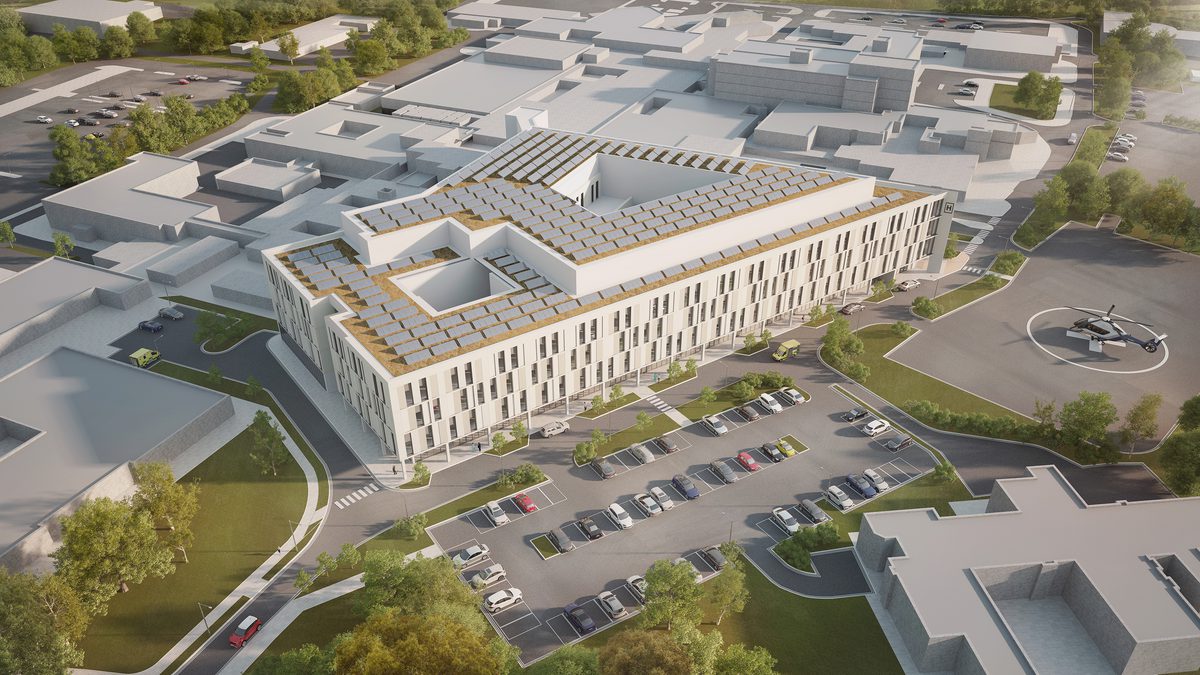
At the Countess of Chester Hospital, the AHR-designed Women and Children’s Building marks a significant step forward for the NHS estate. It is the first building in England to be approved under the NHS Net Zero Building Standard, setting a clear benchmark for how future healthcare environments can respond to both climate and care challenges. Insights from the project will also be shared at this year’s congress, including the methodology behind achieving its coveted Standard approval and the role of staff-led design in shaping environments that support wellbeing.
Faced with the immediate pressures of RAAC, the project demonstrates how a ‘braver not bigger’ approach can deliver renewal that is both environmentally responsible and operationally effective. Working within an existing site, the focus was on creating a high-performing, low carbon building that supports long-term resilience.
Guided by staff insight, the design draws on WELL and biophilic principles to create environments that support both patients and those delivering care. Early signs point to improved staff workflow efficiency and patient journey. As the first approved project of its kind, it demonstrates how net zero ambitions can translate into practical, everyday benefits.
You can listen to more about this joined-up approach below.
Neighbourhood health and care closer to home
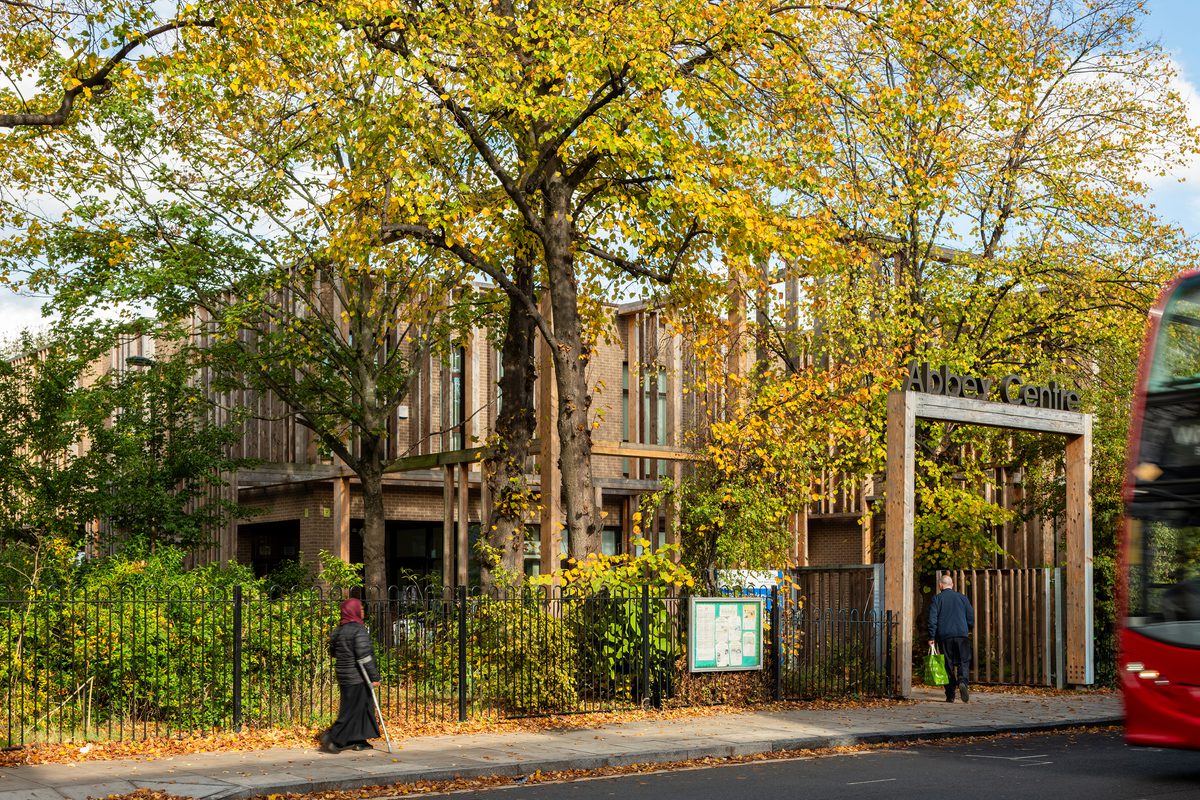
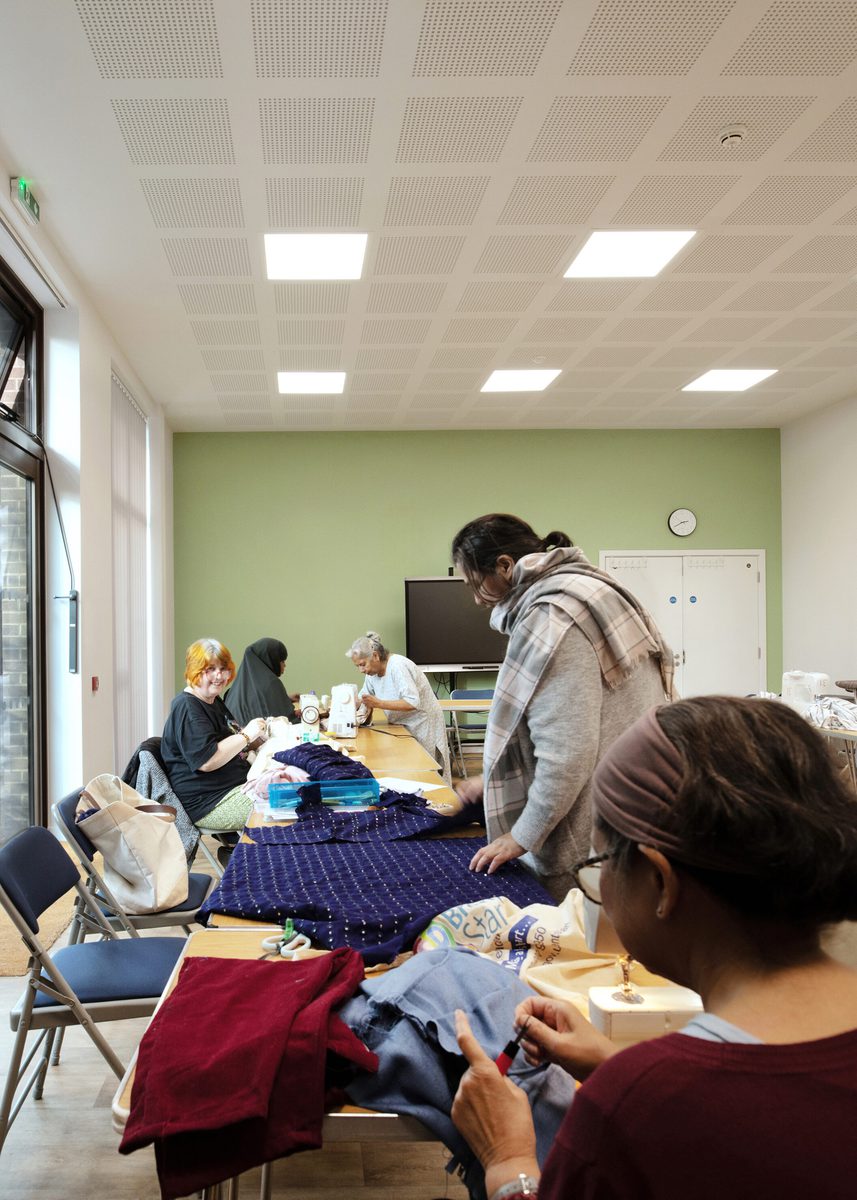
At a neighbourhood scale, this system approach is already reshaping how and where care is delivered. As set out in recent NHS policy, there is a clear shift towards prevention, integration and care closer to home, with the estate playing a critical enabling role.
- Neighbourhood health hubs bring together services in accessible, local settings, supporting earlier intervention and reducing pressure on acute facilities.
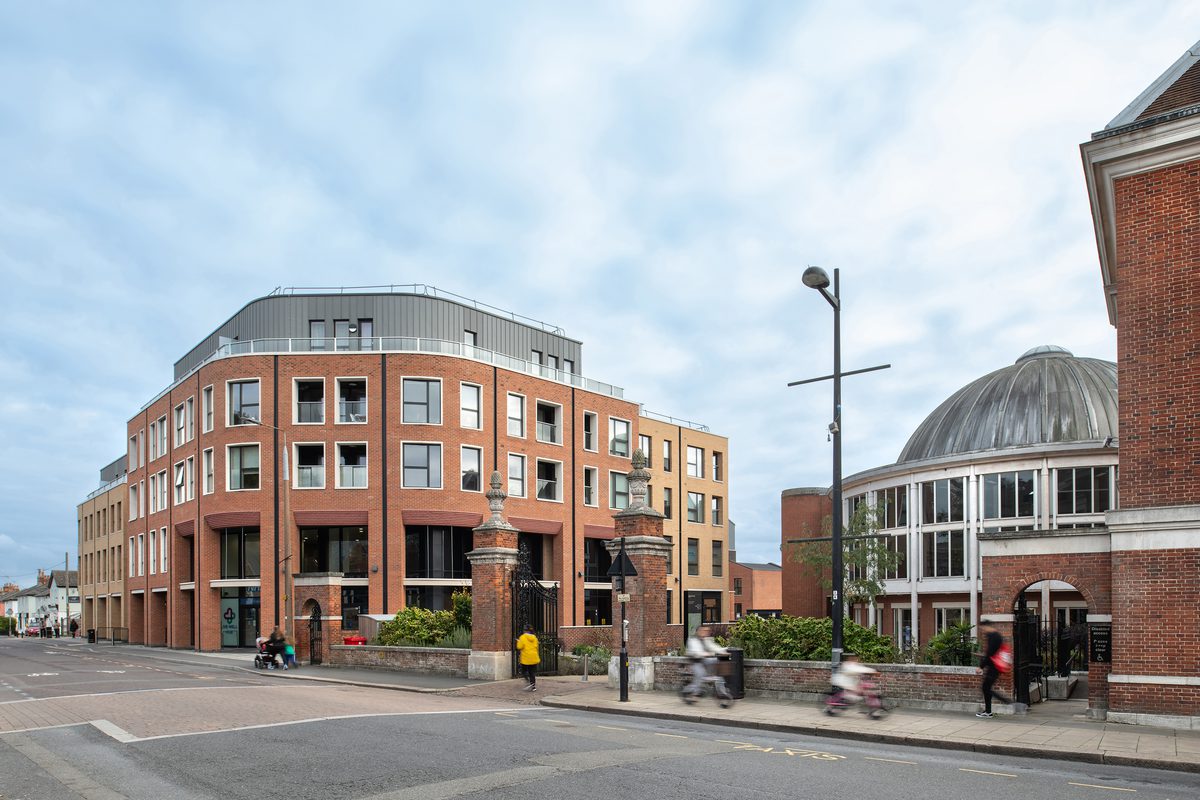
- Health on the high street further embeds care into civic life, contributing to regeneration while making services more visible and approachable.
Our work in Barnsley, for example, illustrates how this approach can be realised in practice. The Alhambra shopping centre is being reimagined as a mixed use health and wellbeing destination, bringing together healthcare, family support, housing advice, wellbeing and leisure services in a central, accessible location. The project reflects a broader shift towards integrated, prevention-led community infrastructure, using existing assets in new ways.
These environments are not standalone solutions, but part of a wider, connected network. Planned through a portfolio-led approach, they ensure that investment in community settings complements the acute estate, improving flow across the system and aligning capacity with demand.


Estate renewal at scale
A portfolio-led approach becomes most powerful when applied across different scales of intervention. It allows Trusts to balance large-scale transformation with targeted, high-impact improvements, all within a single, coherent strategy.
- At Shrewsbury and Telford Hospital (SaTH), we are supporting a whole-hospital transformation delivered within a live environment. Here, resilience is achieved through careful sequencing and adaptability. It demonstrates that a national perspective on infrastructure does not always require a complete rebuild. Instead, it is about managing change in a way that keeps services running while steadily improving the estate.
Targeted interventions with long-term impact
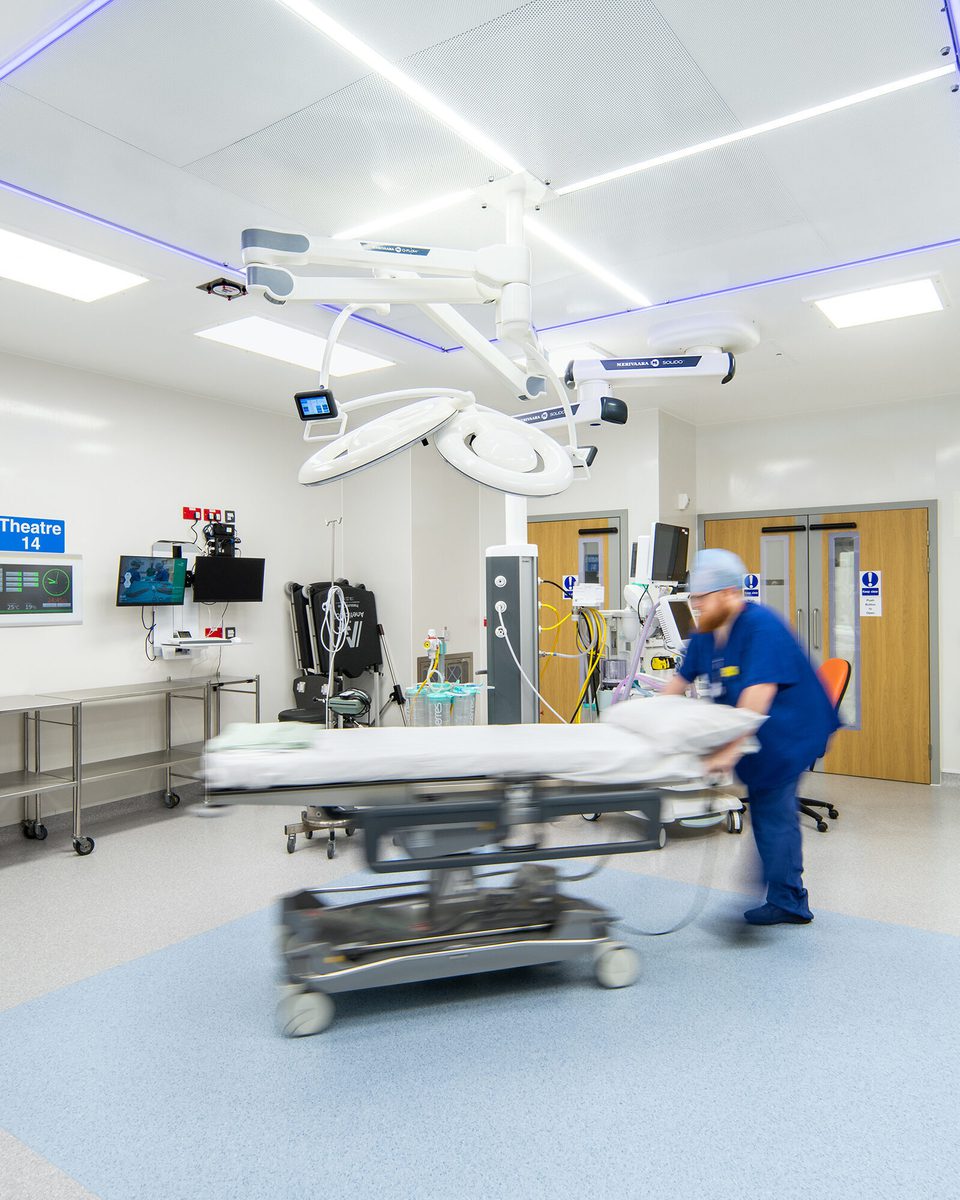
- At Princess Royal Hospital (PRH), a more targeted approach shows how focused interventions can deliver significant benefits. Careful analysis and sensitive adaptation of underutilised space allowed us to expand the clinical capacity of the site to achieve meaningful improvements with minimal disruption. This is what ‘braver’ design looks like in practice. It is precise, responsive and grounded in the realities of operating healthcare environments.
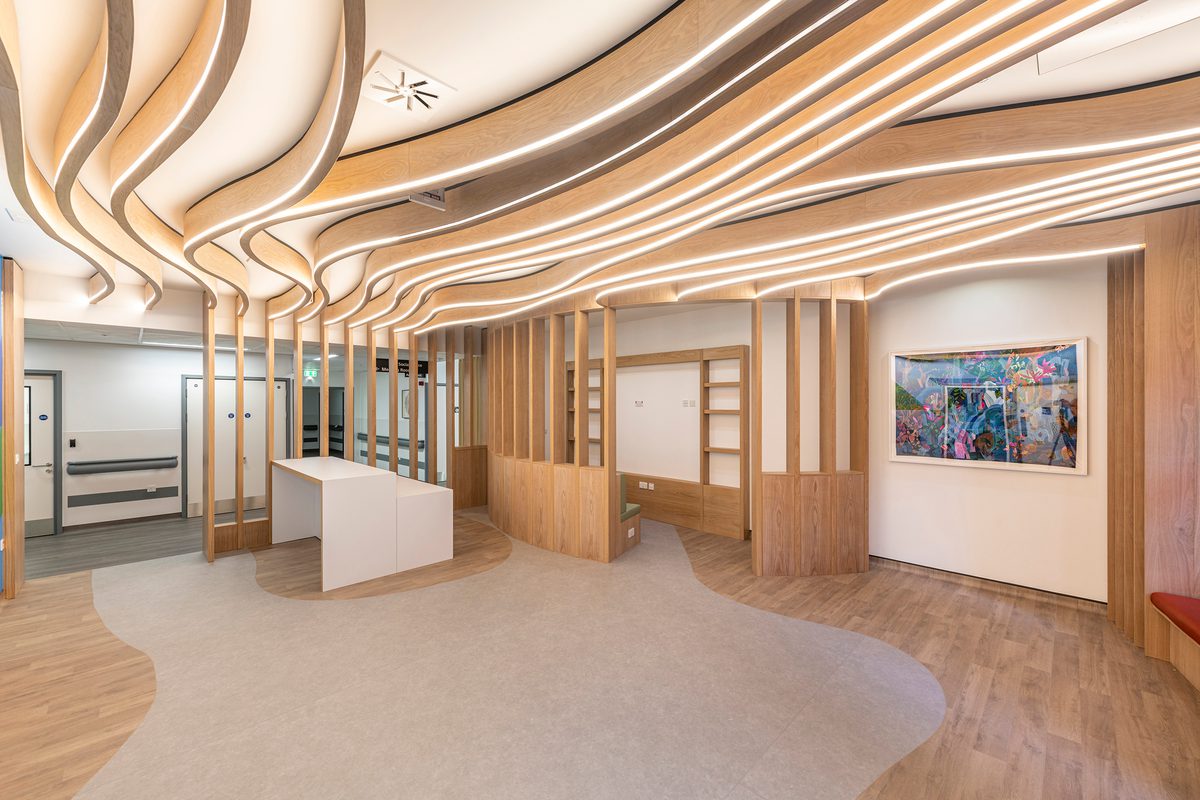
- At Guy’s and St Thomas’ Cancer Ward, the relocation of three cancer wards into a new specialist unit shows how more focused interventions can still have a meaningful impact. Bringing services together has helped improve how the space works for both patients and staff, while creating a calmer, more supportive environment for teenage cancer care.


Addressing NHS backlog maintenance
Alongside this, there is a significant opportunity in addressing backlog maintenance and bringing existing healthcare environments back into meaningful use. For many Trusts, the challenge is no longer simply managing maintenance liabilities, but prioritising investment in ways that improve resilience, compliance and operational performance.
Through thoughtful remodelling, adaptive reuse and targeted estate interventions, existing assets can be renewed to deliver greater long-term value while reducing disruption and embodied carbon. This is where the combined expertise of architects and building consultants becomes increasingly important, blending strategic thinking with technical insight to extend the life, performance and sustainability of healthcare buildings.
You can explore more of our thinking on estate management here
 Renewing existing estates through targeted interventions
The future of the NHS estate
The NHS estate is entering a new phase. Carbon reduction, workforce wellbeing, service transformation and capital constraints are no longer separate challenges. They are structurally linked, and they require a coordinated response.
The future estate will be low carbon by design, digitally enabled and adaptable across settings from neighbourhood to acute care. It will support a decisive shift toward prevention and community-based models of care, while being delivered through a clear, portfolio-led investment strategy. It will prioritise reuse and regeneration, bringing existing buildings back into meaningful use while supporting new, more distributed ways of delivering care.
It will also be planned alongside a long-term workforce strategy, ensuring that environments are designed to attract, retain and support staff, and to enable new roles, new technologies and more flexible ways of working.
The most resilient healthcare estate is not one that resists change. It is one that is continuously able to adapt, renew and regenerate across its entire portfolio.
At EHD 2026, we will continue to share how this shift from project thinking to system transformation can unlock healthier, more sustainable places for people and communities.
Find out about everything planned for this year’s congress, including details of our presentations, here
Meet us at the 2026 European Healthcare Design Congress
Let's connect
We’re looking forward to joining industry professionals at this year’s congress, contributing to important conversations and sharing our knowledge and expertise.
Frequently asked questions
The NHS estate is under increasing pressure from ageing infrastructure, rising patient demand and the need to transition to net zero carbon. These challenges are interconnected, requiring coordinated, system-wide solutions rather than isolated interventions.
It refers to prioritising smarter use of existing buildings over large-scale new builds. This includes retrofitting, reusing and reconfiguring estates to improve performance, reduce carbon and respond more flexibly to changing healthcare needs.
A portfolio-led approach allows decisions to be made across an entire estate rather than on a building-by-building basis. This enables a balanced mix of interventions, from community hubs to targeted upgrades, improving resilience and long-term value.
Engaging clinical teams in the design process ensures spaces reflect real workflows and operational needs. This leads to more efficient layouts, improved staff wellbeing and better patient outcomes, while supporting recruitment and retention.
We will share insights from the Countess of Chester Hospital Women and Children’s Building, including the methodology behind achieving NHS Net Zero Building Standard approval and how a collaborative, staff-led design approach can support wellbeing in healthcare environments.
Posted on:
May 29th 2026
Topics:
Share on
Related Articles

Thought Leadership
The workforce plan starts with place: Designing an NHS estate where people can thrive
We explore how people-centred NHS estate design improves staff wellbeing, retention and productivity, from acute hospitals to neighbourhood health hubs.
Date: 15 Apr 26
by AHR

Thought Leadership
Designing the net zero NHS: From retrofit to new build
Gareth Banks on how to deliver the NHS Net Zero Building Standard in live projects - safe, viable and resilient - through fabric-first design and data-led retrofit.
Date: 7 Apr 26

by Gareth Banks
Director, Architecture

Thought Leadership
Neighbourhood health is here: our analysis of what it means for your estate strategy
Helen Revitt explores the Neighbourhood Health Framework, including the NHC pipeline, Wave 1 repurposing, commissioning hierarchy and the metrics shaping estate strategy.
Date: 23 Mar 26

by Helen Revitt
Regional Director, Architecture

Thought Leadership
Reimagining the neighbourhood health service: Turning existing places into prevention-focused hubs
Victoria Shepherdson explores how existing NHS, local authority and town-centre buildings can be repurposed into trusted, accessible prevention-focused healthcare hubs.
Date: 3 Mar 26

by Victoria Shepherdson
Associate Director, Architecture