Thought Leadership
Reimagining the neighbourhood health service: Turning existing places into prevention-focused hubs

by Victoria Shepherdson
Associate Director, Architecture
The shift towards a neighbourhood health service represents one of the most significant changes to NHS estate strategy in a generation. The government’s ambition to deliver up to 250 Neighbourhood Health Centres places the built environment at the heart of preventative, integrated and community-based care.
This agenda reinforces our long-held position: the future of healthcare depends as much on how existing buildings are reused and adapted as on delivering new facilities. Our experience across community health hubs, civic buildings and mixed-use town centre regeneration schemes shows that neighbourhood health centres need to feel trusted, familiar and accessible, while meeting clinical requirements and supporting multidisciplinary working.
From hospital-centric to neighbourhood-centred care
Neighbourhood Health Centres are intended to reduce pressure on acute hospitals, improve continuity of care and tackle health inequalities by bringing services closer to home.
We have already seen how co-location can make healthcare easier to access and easier to navigate:
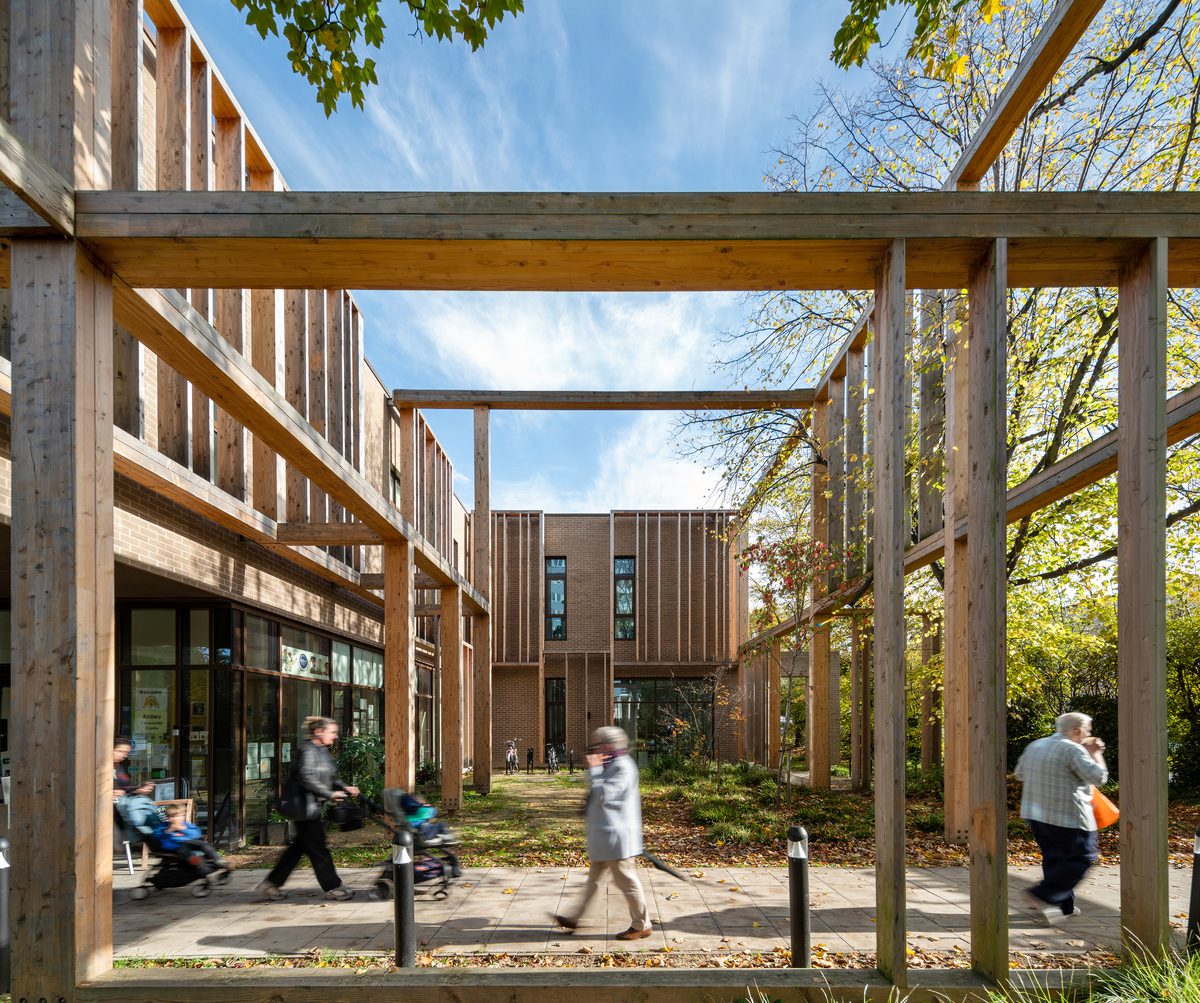
- Abbey Area Community Hub in Camden brings community and primary care services together in a single building within a newly shaped public park and forms part of the wider Abbey Road regeneration programme.
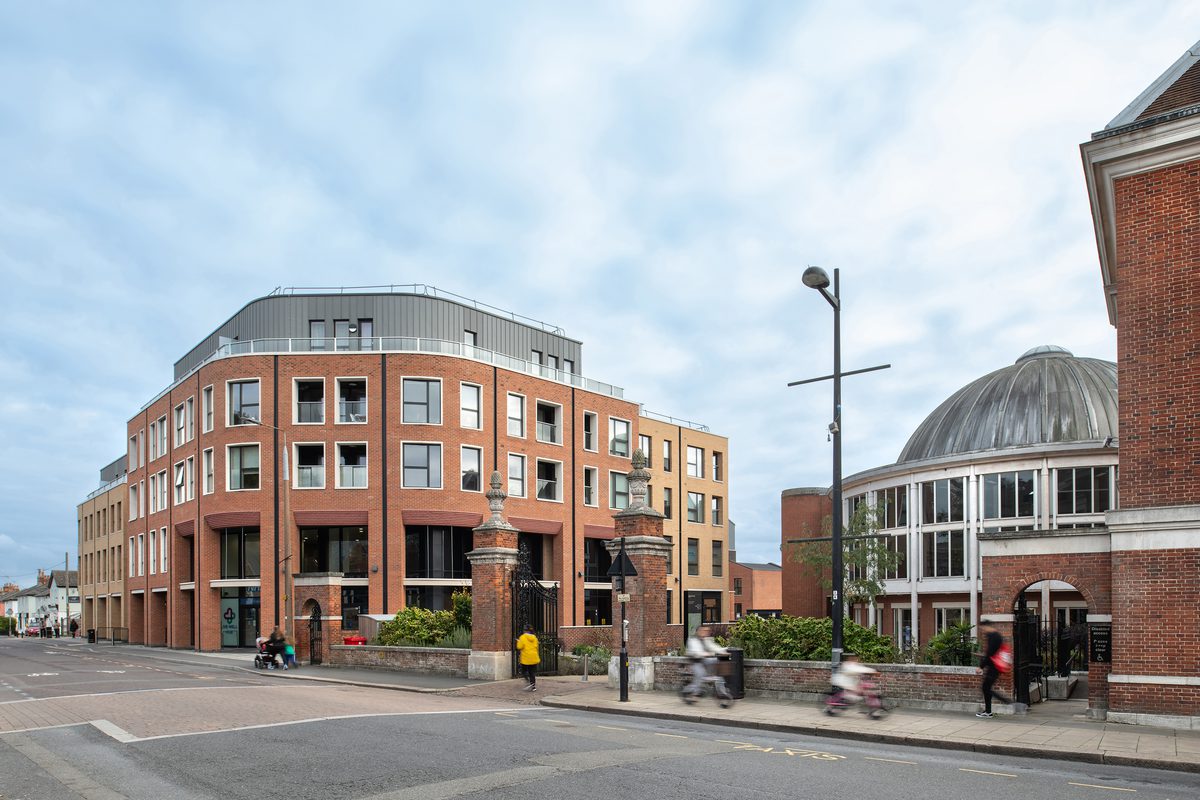
- Victoria Square in Braintree is a major town centre regeneration scheme anchored by a health and wellbeing centre, showing how healthcare can sit at the heart of mixed use placemaking.
These projects reflect a simple truth: people are more likely to use services early, and return for ongoing support, when buildings feel welcoming and connected to everyday life.


Repurposing the estate we already have
With public capital targeted and an urgent need to decarbonise, many neighbourhood centres will be delivered through reuse, extension and targeted new build, using a combination of NHS and local authority estate.
This is where our lifecycle perspective and retrofit toolkit support Integrated Care Boards (ICBs) and local authority teams to identify which assets are best suited to become neighbourhood hubs, what level of intervention is required, and how to avoid creating future liabilities.
Design-wise, this often means reworking existing buildings so they function like a modern hub:
- Clear “front doors” and intuitive wayfinding
- Privacy, acoustic control and safe adjacencies for mixed clinical and community uses
- Updating rooms to new standards, making them more accessible and able to function as multipurpose spaces
- Efficient staff oversight without an institutional feel.
Designing for familiarity, trust and inclusion
Neighbourhood centres will often support people who are anxious about healthcare settings, managing long-term conditions, or facing barriers to access. Design directly affects whether these services are used.
We believe in patient-centred environments that support recovery, dignity and inclusion, alongside net zero goals. In practice, that means calm layouts, predictable routes, good daylight, and spaces that give people choice about how they wait, move and engage.
Aligning estates, regeneration and net zero
Neighbourhood health is a place-based agenda. Many centres will sit at the intersection of regeneration, housing, transport and decarbonisation strategies.
That is where our wider regeneration and placemaking experience adds value. Victoria Square shows how mixed-use regeneration can embed healthcare as a driver of town centre vitality, alongside homes, public realm and everyday services.
Abbey Area shows how local authority partnership and community-focused delivery can strengthen neighbourhood identity while improving access to health and community services.
 A community-focused healthcare hub
Making neighbourhood health work in practice
Neighbourhood Health Centres represent a major opportunity to improve access to care, support prevention and make better use of public estate. But success depends on more than policy intent. It relies on the right buildings, in the right places, working for communities, clinicians and estates teams alike.
We work with NHS Trusts, Health Boards, Integrated Care Boards and local authorities across the UK to turn existing buildings and town centre assets into prevention-focused neighbourhood health hubs. By combining architecture, building consultancy and placemaking expertise, we help clients align health, regeneration and net zero ambitions into deliverable, long-term solutions.
If you are developing neighbourhood health plans, assessing existing estate, or exploring how healthcare can support wider regeneration objectives, we would welcome a conversation. Get in touch
Frequently asked questions
A Neighbourhood Health Centre is a local hub designed to bring together primary care, community health services, diagnostics, mental health support and wider wellbeing services in one accessible place. The aim is to support prevention, reduce pressure on acute hospitals and improve continuity of care close to where people live.
No. Many centres are expected to be delivered through reuse, extension or refurbishment of existing NHS, local authority or civic buildings. Repurposing existing estate can be faster, more affordable and more sustainable, particularly when aligned with town or city centre regeneration.
By co-locating services and extending accessibility, neighbourhood centres make it easier for people to access care earlier, manage long-term conditions and engage with health and wellbeing services before problems escalate. Familiar, non-institutional environments also help reduce barriers to access.
Estate strategy is central. Decisions about which buildings to reuse, where to invest capital and how to phase works directly affect service models, operational efficiency and long-term sustainability. A portfolio-led approach helps ensure neighbourhood centres support wider clinical and financial objectives rather than becoming isolated projects.
Successful adaptation typically focuses on clear access and wayfinding, appropriate separation and adjacencies for mixed uses, good acoustics and privacy, and layouts that support multidisciplinary working. Data-led assessment helps determine whether light-touch refurbishment or more substantial intervention is required.
Neighbourhood health is a place-based agenda. Centres often sit within town and city centres or local neighbourhoods and can act as anchors for regeneration, supporting footfall, public realm improvements and local identity. Aligning healthcare delivery with regeneration strategies can create wider social and economic benefits.
Neighbourhood centres are an opportunity to reduce carbon while improving comfort and resilience. Reusing existing buildings, improving fabric performance and upgrading systems can support local net zero targets while avoiding future liabilities. Net zero is most effective when embedded alongside service planning and estate strategy.
AHR supports clients from early feasibility and estate assessment through design, delivery and performance in use. By combining healthcare design expertise with building consultancy and placemaking experience, we help NHS organisations and local authorities deliver neighbourhood health centres that are practical, inclusive, low-carbon and rooted in their communities.
Posted on:
Mar 3rd 2026
Topics:
Share on
Related Articles

Practice News
Creating places where people feel safe: introducing our new white paper on trauma-informed design
We're delighted to release white paper on trauma-informed design with the University of Salford exploring how design can support wellbeing, safety and inclusive environments.
Date: 2 Feb 26

by AHR

Awards
Award-winning maternity, neonatal and children's design at the Countess of Chester Hospital
We're delighted that the Countess of Chester Hospital's Women and Children's Building wins Best Architectural Design at the Healthcare Design Awards.
Date: 16 Feb 26
by AHR

Practice News
Sharing what we’ve learned from our 2025 decarbonisation roundtable series
Discover insights from our 2025 decarbonisation roundtables on net zero buildings, circular economy, energy resilience, and digital tools for sustainable construction in the UK.
Date: 19 Jan 26
by AHR

Thought Leadership
Government confirms 250 Neighbourhood Health Centres as part of prevention-focused 10-Year Health Plan
Discover how the UK’s 250 Neighbourhood Health Centres will reshape prevention, primary care and NHS estates, and how we are supporting local health strategies.
Date: 28 Nov 25