Practice News
Sharing what we’ve learned from our 2025 decarbonisation roundtable series

by AHR
Our 2025 decarbonisation roundtable series brought together professionals from across the built environment to share insight, challenge assumptions and explore how we can accelerate the transition to a net zero future.
Since launching the programme in 2023, these events have created space for open and honest conversations about the practical realities of decarbonisation. This year, the discussions reflected a sector navigating rapid technological change, rising regulatory expectations and the wider impacts of a shifting climate landscape — while also demonstrating growing confidence and momentum.
Read the full 2025 roundup report here
What have we learned?
A clearer understanding of 2025’s climate and policy landscape
From record global temperatures to the outcomes of COP30, this year underscored the urgency of industry-led action — reinforced by the launch of the UK Net Zero Carbon Buildings Standard.
Circularity becoming a practical, scalable pathway to net zero
Materials reuse, responsible procurement and whole-life carbon thinking are moving from aspiration to implementation, supported by growing appetite for transparency and material ethics.
Energy resilience taking centre stage
With grid constraints and rising demand shaping project viability, decentralised energy generation, smarter systems and predictive controls are becoming essential components of sustainable design.
The importance of accountability and performance in use
Participants shared the need for clearer ownership, better post-occupancy evaluation and long-term operational support to ensure buildings achieve their net zero ambitions in reality.
Digital tools transforming how buildings perform
AI-assisted diagnostics, digital twins and live energy insights are empowering teams to make more informed decisions and unlock operational carbon savings at scale.
A cultural shift in skills and collaboration
Decarbonisation is increasingly recognised as a people-centred transition — one that depends on shared literacy, cross-disciplinary collaboration and confident operational teams.
Our 2025 report captures these insights in full
Drawing together the perspectives shared across our roundtable series, the report offers depth, clarity and practical direction for anyone involved in shaping a low-carbon built environment.
2025 decarbonisation roundtable series


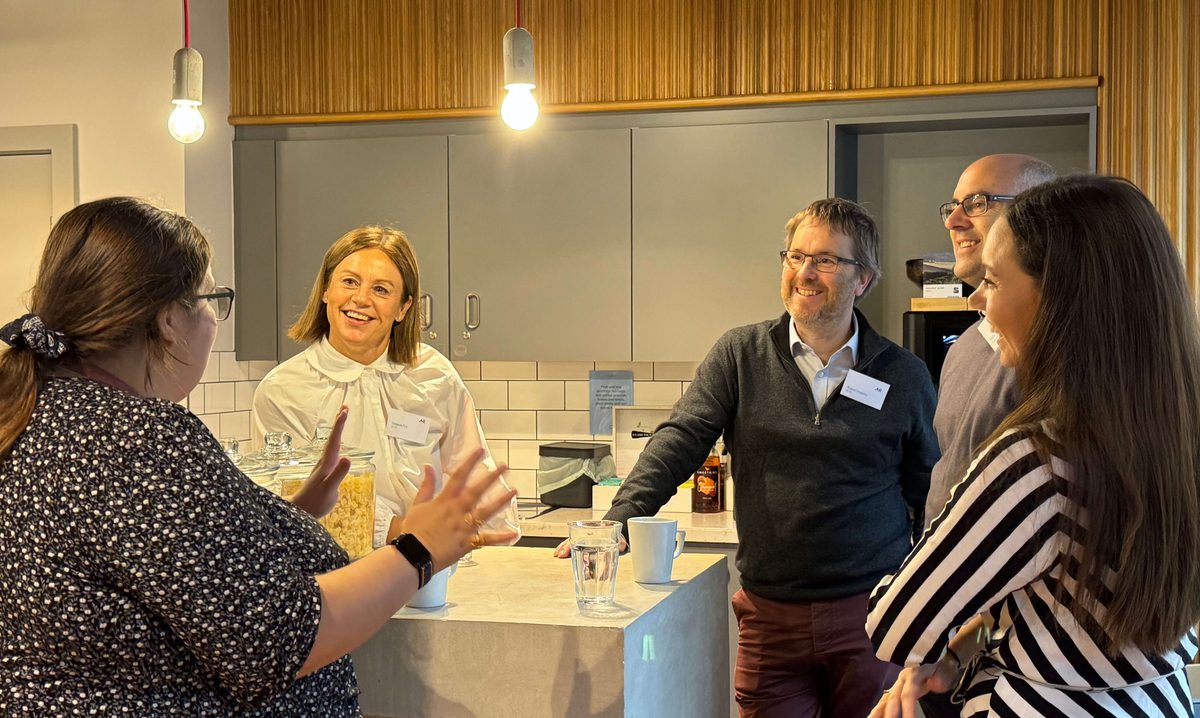
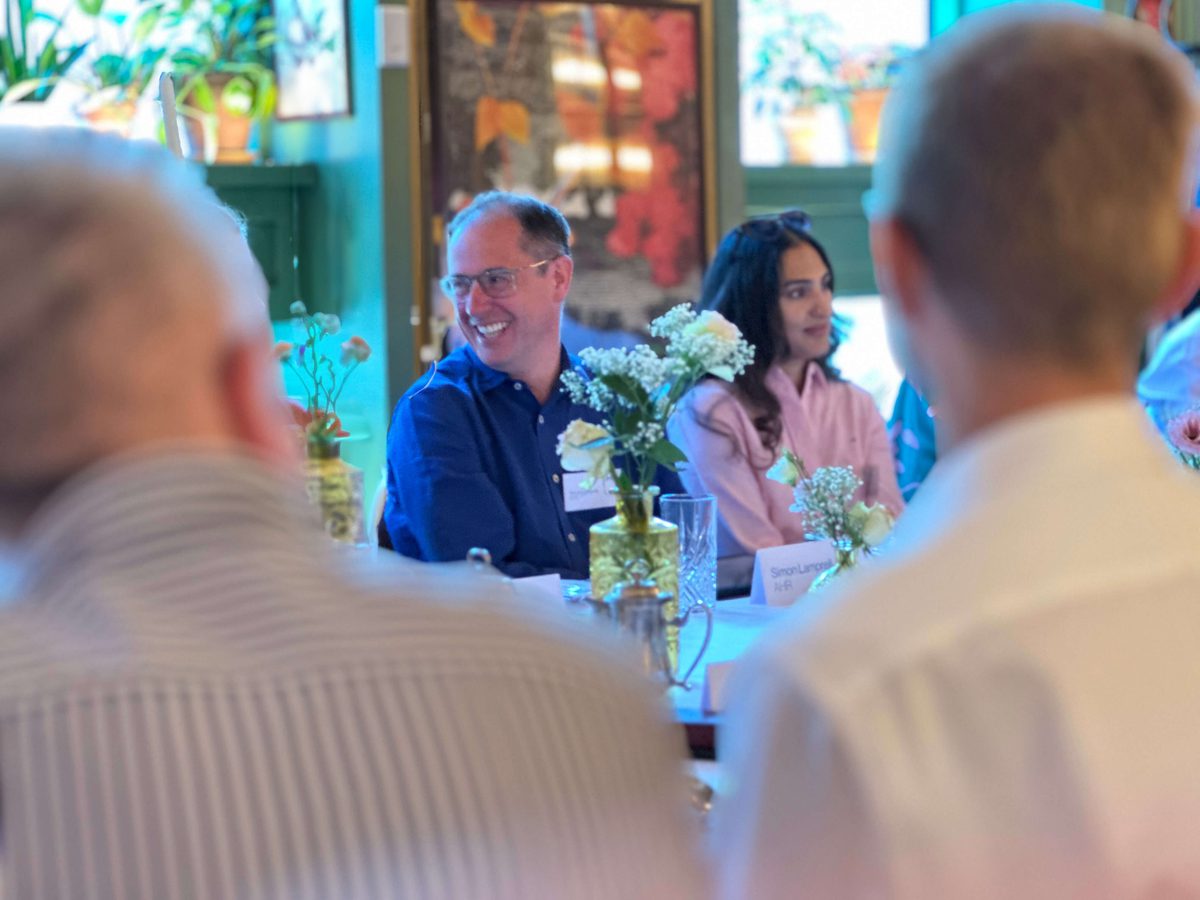
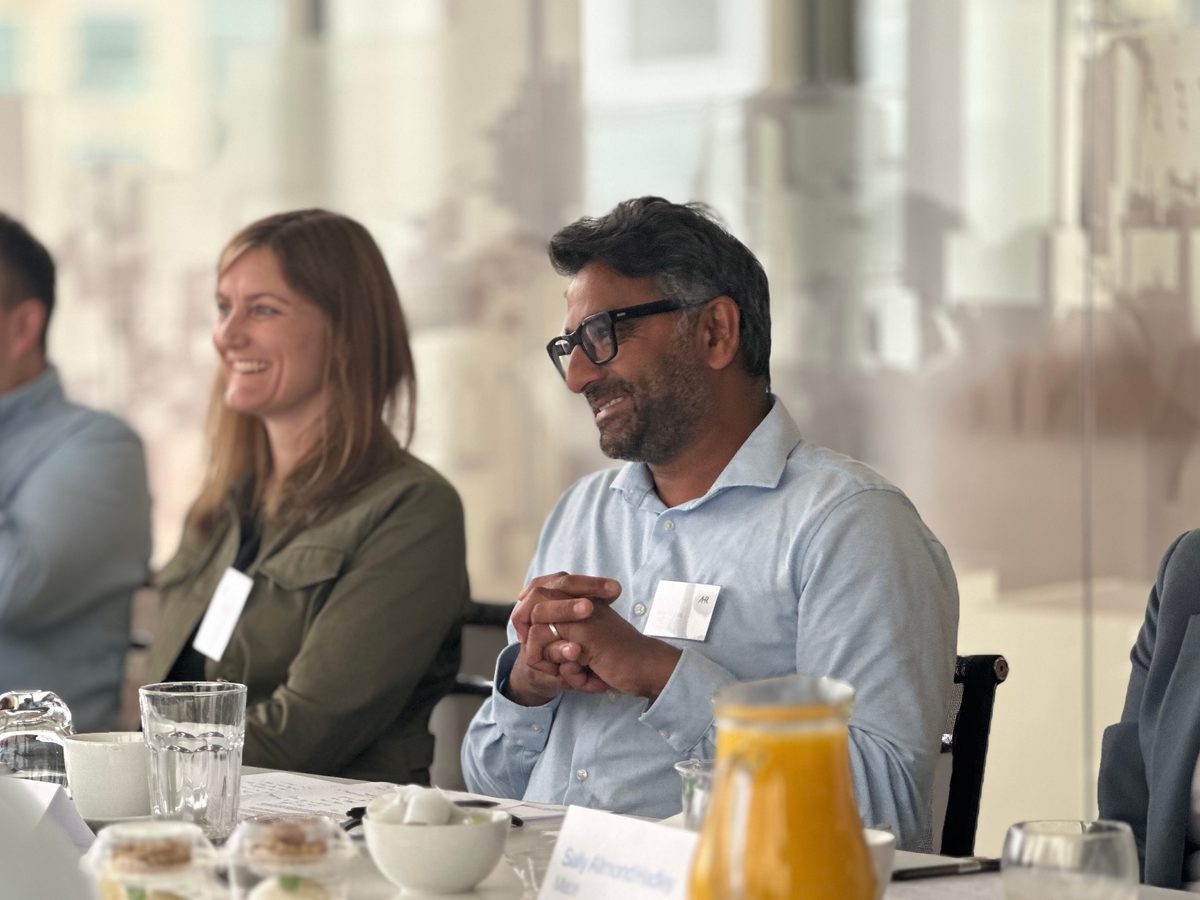
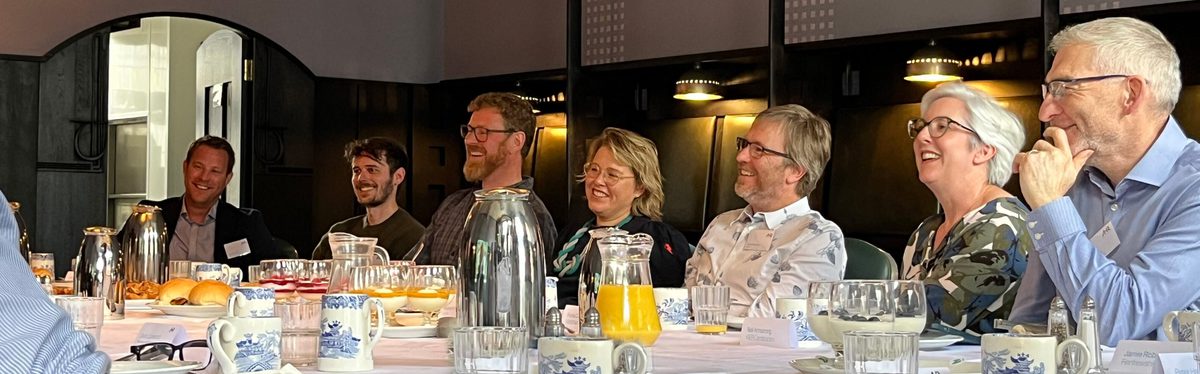
As we look ahead, the challenge is not only to continue the conversation, but to turn shared knowledge into decisive, collective action. By working together and embedding sustainability into every stage of design, construction and operation, our industry can deliver buildings and places that are resilient, low carbon and built for future generations.
If you are interested in joining future roundtables or would like to discuss how we can support your decarbonisation ambitions, we’d be delighted to hear from you.
What do you know about our Retrofit Toolkit?
Our Retrofit Toolkit is helping clients make informed decisions from the very beginning of their decarbonisation journey - enabling earlier interventions, long-term value and practical pathways to whole-life carbon reduction.
We’d love to support you in taking the next step.
Get in touch and let’s work together to create a more sustainable future.
Frequently asked questions
The 2025 decarbonisation roundtables revealed practical strategies for achieving net zero in the UK built environment, including circularity, energy resilience, digital innovation, and a stronger focus on collaboration, skills, and accountability.
The UK Net Zero Carbon Buildings Standard provides clear guidance on low-carbon design, construction, and operation, helping architects, developers, and building owners align projects with national net zero targets.
Circular economy principles, including materials reuse, responsible procurement, and whole life carbon assessment, are helping the construction sector reduce environmental impact and deliver sustainable, cost-effective buildings.
Energy resilience is increasingly important as buildings must perform efficiently under grid constraints, using decentralised energy generation, smart systems, and predictive controls to maintain sustainability and operational reliability.
Digital technologies, such as AI diagnostics and digital twins, provide real-time insights into building performance, enabling informed decisions that reduce operational carbon and improve energy efficiency across projects.
Ongoing monitoring, clear responsibility, and post-occupancy evaluation ensure buildings achieve their net zero ambitions in practice, not just on paper, supporting long-term sustainability and operational success.
Posted on:
Jan 19th 2026
Topics:
Share on
Related Projects

The Countess of Chester Hospital Women and Children’s Building
The new, net zero carbon in operation Women and Children’s Building reimagines maternity and neonatal care for the region, setting a new benchmark for patient-centred healthcare design.

Daphne Steele Building
WELL Platinum certified university building setting new standards in wellbeing, sustainability and low-carbon design in higher education.

Urmston Grammar School
To support the school in achieving their decarbonisation targets, we’re providing management support for procurement and delivery of heat decarbonisation plan (HDP).