
Thought Leadership
Designing climate resilient university estates to future-proof campuses

by AHR
Universities are increasingly focused on how their estates can adapt to the realities of a changing climate.
Campuses are not just collections of buildings. They are homes, workplaces, laboratories, social spaces and community hubs and sit at the heart of student experience and institutional reputation.
From historic halls and listed libraries to cutting-edge laboratories and student accommodation, estates are diverse and complex. They are also vulnerable. Flooding, heatwaves, storm damage and energy insecurity are already testing how well campuses can operate, and these pressures will only intensify.
We understand the vital role estates play in shaping university life. Through our work with institutions across the UK, we’ve seen how resilient design not only protects assets but also supports wellbeing, enriches the student experience and strengthens the university’s ability to thrive.
Why climate resilience matters in university estates
The impacts of climate change on university estates are wide-ranging. Overheating in teaching spaces affects concentration and learning outcomes. Flooding can close buildings, disrupt exams and damage valuable research.
Storms can cut off transport links, isolating students from essential facilities. Poor air quality or damp in accommodation undermines wellbeing and can worsen health conditions.
There is also a reputational dimension. Today’s students are more climate-conscious than any generation before. They want to live and study in places that reflect their values. Universities ranked highly for sustainability and resilience increasingly stand out in global rankings1, strengthening their ability to attract students, staff and funding.
Climate resilience is fundamental to safeguarding the student experience and the future of the institution itself.
Key climate risks for university estates
Not all estate types face the same pressures:
- Heritage and legacy buildings, often at the heart of campus identity, are particularly challenging to retrofit and prone to both flooding and overheating.
- Laboratories with their high energy demand and sensitive environments are vulnerable to power loss and temperature fluctuations.
- Accommodation is a key part of the student experience and therefore central to wellbeing, making issues such as overheating, damp and poor air circulation serious concerns.
- Teaching and learning spaces are also at risk, with overheating directly affecting concentration and performance. The Passivhaus Trust has warned that UK buildings of all types are already overheating2, a trend that strongly applies to university estates. Access to good quality air, natural light and the ability to control temperature and ventilation are all critical to maintaining wellbeing and learning outcomes.
- Outdoor environments, public realm spaces, sports facilities and transport infrastructure face disruption from flooding, drought and storm events.
Together, these risks underline the need for a comprehensive university estate strategy that embeds resilience.
How to design climate resilient university estates
A climate resilient campus means embedding protective measures into the fabric of the estate, while also strengthening what already exists through retrofit.
Protecting buildings and landscapes
Resilience begins with the physical fabric of the campus, the structures and spaces that face the direct impacts of a changing climate.
- Storm resilience means ensuring roofing, glazing and structural integrity that can withstand extreme weather, protecting both people and assets.
- Flood resilience starts with an assessment of risk, ideally based on projects over 50 years or more. Well-established solutions such as sustainable urban drainage systems (SuDS), rain gardens and raised thresholds. These measures manage water while also improving biodiversity and creating more attractive landscapes.
- Drought resilience focuses on conserving water and sustaining landscapes during prolonged dry periods. Selecting drought-tolerant planting, reducing reliance on irrigation systems and harvesting rainwater all help campuses maintain green spaces that support wellbeing and biodiversity while adapting to changing rainfall patterns.
- Solar resilience involves selecting materials that can withstand prolonged exposure to heat and solar radiation. In some cases, protective measures such as living roofs can shield vulnerable membranes, extending their lifespan.
Enhancing thermal comfort and building performance
Managing heat, air and light is key to protecting wellbeing and maintaining high-quality learning and working conditions across campus.
- Heat resilience requires consideration of climate projections, building use and performance, and occupant behaviours. Solutions may include thermal mass, shading, natural ventilation, cool roofs and fabric-first upgrades that reduce energy demand. Expanding woodland, planting introducing bodies of water such as ponds or wetlands help cool the microclimate, support biodiversity and enhance carbon capture.
- Ventilation resilience underpins the building’s ability to maintain a healthy internal environment by exchanging indoor air with fresh or tempered air, removing moisture and contaminants that would lead to mould growth and pose a risk to health. Understanding a building’s hygrothermal performance and how it is used can inform simple, effective solutions that help maintain relative humidity between 30–60%.
Maximising under-utilised space
As universities adapt to new patterns of teaching, research and collaboration, many are seeking to make better use of existing spaces. While this can deliver carbon and cost benefits, it also changes how buildings perform. Higher occupancy levels increase internal heat gains, ventilation demand and energy consumption. All of which can influence thermal comfort and air quality. These impacts should be considered within both climate resilience and space-optimisation strategies to ensure comfort, energy efficiency and wellbeing remain balanced.
Strengthening infrastructure and connectivity
Operational systems, infrastructure and mobility networks all contribute to a resilient, low-carbon campus.
- Water resilience ensures responsible management of finite water resources across campus. Reducing demand through efficient fixtures, rainwater harvesting and grey-water recycling is essential to meet future supply constraints - which could be limited to 10 litres per day in non-domestic buildings - while also reducing operational costs and carbon impact.
- Energy resilience is increasingly urgent. Decentralised systems, heat pumps and solar panels reduce dependency on central grids, cutting carbon while ensuring continuity when failures occur.
- Transport resilience safeguards access. Investment in active travel infrastructure, electric vehicle charging and secure walking and cycling routes ensures students and staff can still reach campus safely in disruption.
Design interventions that aren’t fully informed can lead to unintended consequences. A science-based, performance-led approach is essential to achieve effective, long-lasting outcomes.
Even the best climate models are projections rather than certainties, so resilience must be dynamic. Monitoring and adapting measures over time ensures designs continue to perform as intended, helping universities stay ahead of the evolving challenges of climate change.
Climate resilience won’t be achieved through single interventions, but through a joined-up approach that considers the whole estate from both existing buildings to new developments.
While new projects set the standard for future performance, most university estates are already built. This means the greatest opportunity for impact often lies in retrofitting and reimagining existing assets to make them fit for a changing climate.
Building climate resilience through retrofit and new development
Retrofitting university buildings is one of the most effective ways to build climate resilience. By upgrading existing assets, universities can both decarbonise their estates and adapt to the changing climate.
Improved fabric performance, ventilation and thermal comfort mean buildings stay usable and efficient during hotter summers, colder winters and more extreme weather. Retrofitting also protects long-term asset value by extending the life of existing structures, rather than replacing them.
We’ve developed a retrofit toolkit to help organisations identify practical measures that deliver both carbon reduction and resilience outcomes. Our masterplan for the redevelopment of Blocks A–N at the University of the West of England (UWE) demonstrates what this looks like in practice.
The deep retrofit of these campus buildings to EnerPHit standards will significantly improved energy efficiency, reduced carbon emissions and enhanced user comfort while strengthening the estate’s ability to cope with future temperature increases and energy instability.


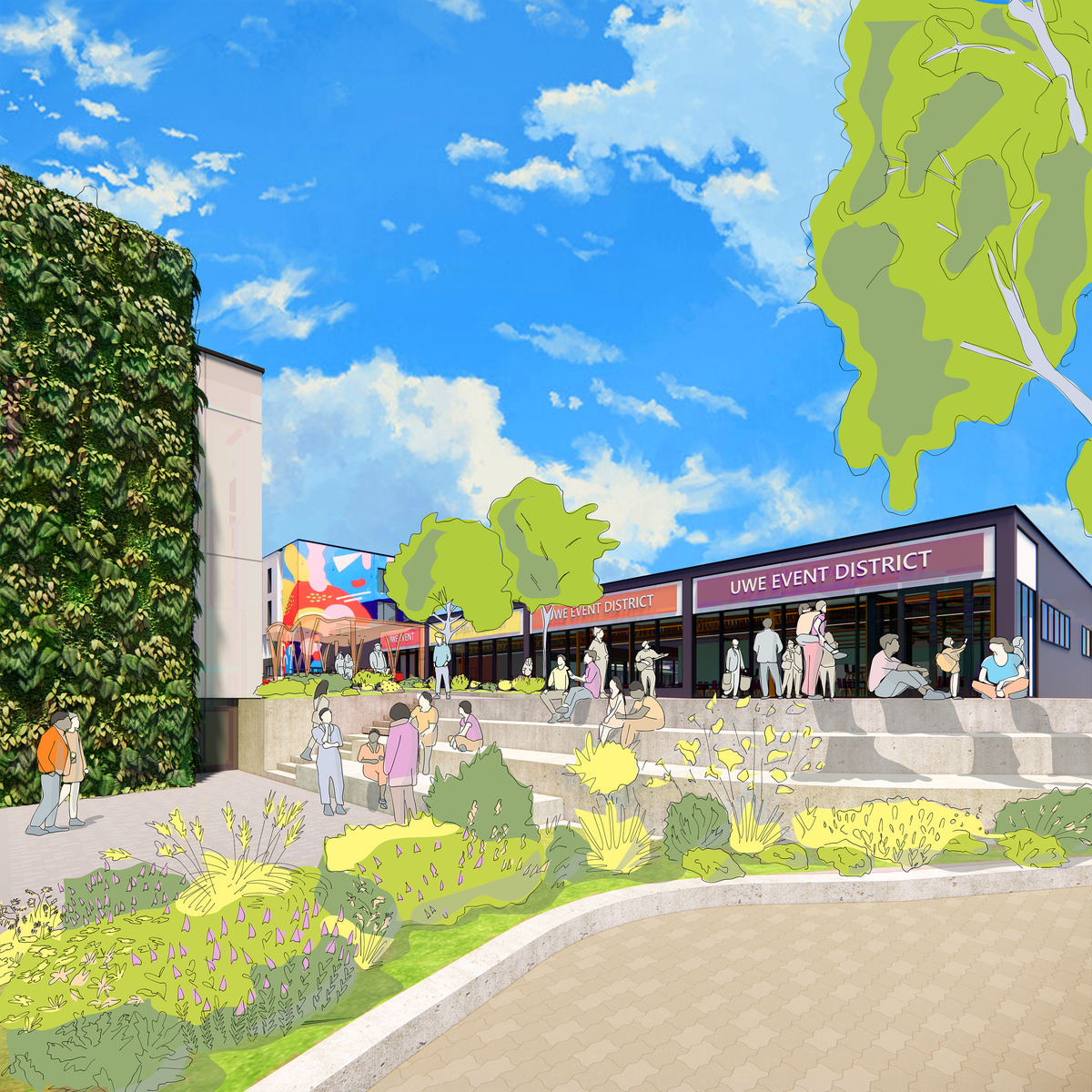
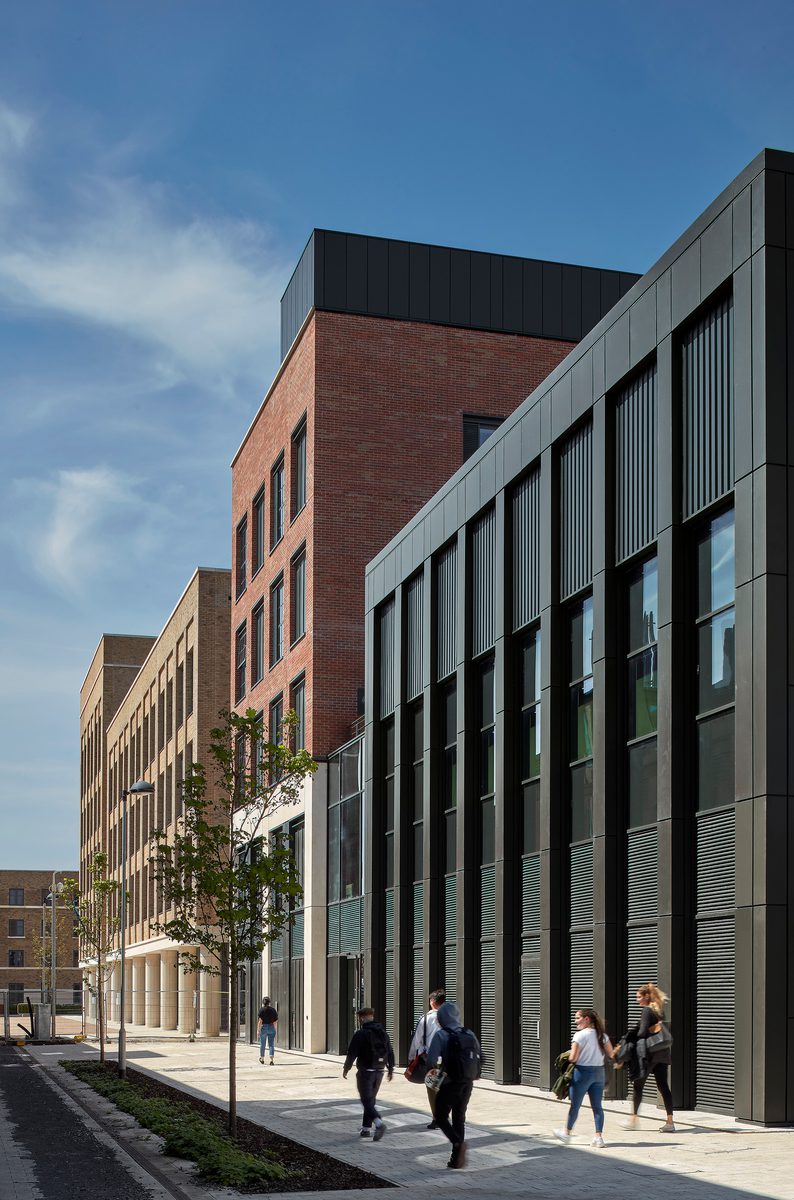
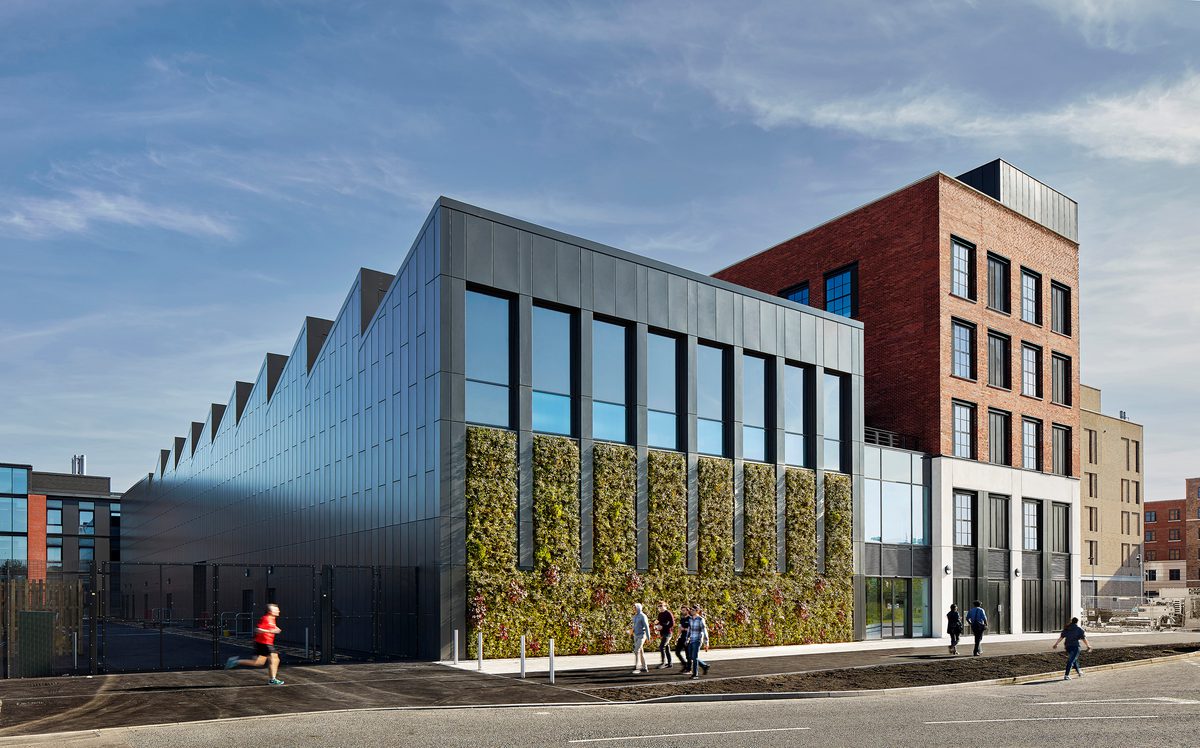
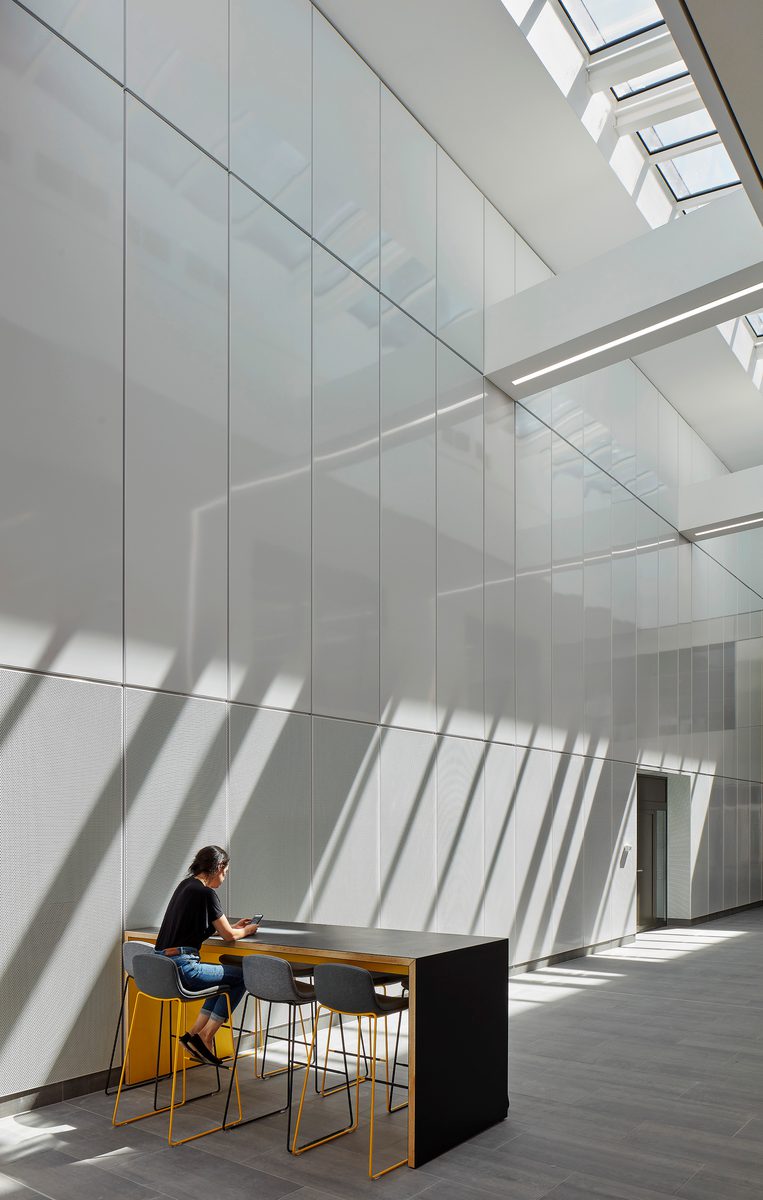
New developments also have a crucial role in setting long-term standards for climate-ready design. At Swansea University, our IMPACT Building, rated BREEAM Excellent, integrates sustainable technologies from the outset.
Thermal solar collectors, photovoltaic panels and natural ventilation systems not only minimise emissions and energy demand today, but they also futureproof the building against rising energy prices and climate stress.
A 114 m² living wall, supporting around 5,500 plants and multiple bird and bat species, enhances biodiversity and improves local microclimates, helping the campus better manage heat and air quality in the decades ahead.


Climate resilience as strategy, not project
Resilience is often treated as a technical fix, but the most successful universities take a strategic approach. Climate risks should be seen as corporate risks, integrated into governance, capital planning and business continuity.
The AUDE Climate Change Adaptation and Resilience Guide3 makes this clear, urging estates directors to build climate adaptation into existing processes rather than treating it as an add-on. Aligning resilience with net zero avoids duplication and ensures adaptation works hand-in-hand with decarbonisation.
University estates and facilities teams cannot address resilience alone. Finance directors, academics, students and procurement leads all have a role. Embedding climate adaptation into decision-making across the institution, ensures it becomes part of the culture rather than an isolated programme.
Collaboration beyond campus boundaries is equally important. Universities are anchors in their cities and regions, and effective resilience requires joint working with local authorities, water companies and community groups. Aligning strategies allows campuses to contribute to wider urban resilience while benefiting from shared solutions.
What are the drivers and opportunities?
The case for action is strengthened by the cost of inaction, in lost teaching days, damaged assets and reputational harm.
- Expectations from people - staff and students expect to see their institutions lead on climate responsibility. Visible action strengthens recruitment, engagement and trust.
- Guidance - while regulation is still developing, frameworks such as LETI, RIBA 2030, PAS 2038 and the Task Force on Climate-related Financial Disclosures (TCFD) are influencing estate strategy. The UKGBC4 adds further direction, showing how adaptation can sit alongside decarbonisation.
- Global context - initiatives like the OECD Climate Adaptation Investment Framework5 underline how aligning finance with adaptation is becoming central to resilience planning.
- Funding - opportunities are also expanding, with green finance products and resilience-linked grants available.
A roadmap for climate resilient university estates
For estate directors and facilities managers, a practical roadmap can help guide estate planning and campus resilience. The UUCN briefing6 on assessing climate risk and strengthening resilience highlights carrying out consistent climate risk assessments are the essential first step.
- Identify risks through estate-wide assessments, mapping vulnerabilities and prioritising critical assets.
- Embed resilience into planning and governance, ensuring risks are captured in registers and strategies.
- Implement adaptation alongside refurbishment, retrofit and decarbonisation works, maximising efficiency and impact.
- Evaluate progress through continuous monitoring, using tools such as Building Information Modelling (BIM) to test scenarios and inform improvement.
Resilience is not a one-off exercise but an evolving process. Linking adaptation to long-term estate management cycles ensures measures are delivered at the right time, aligned with planned upgrades and budget cycles.
The benefits of acting now
Investing in resilience today protects operations, reduces emissions, secures energy supply and creates healthier, safer and more inclusive environments. It also strengthens reputation, delivers long-term cost savings and demonstrates sector leadership.
We believe places have the power to shape a more positive future. We work alongside universities to design and adapt estates that are resilient, sustainable and people focused. Read more on our work with universities.
Get in touch to explore how AHR can help design and retrofit climate resilient university estates — future-proofing your campus, protecting student experience and safeguarding institutional value.
Frequently asked questions
A climate resilient university estate is one that can adapt to the impacts of climate change, such as flooding, heatwaves, storms and energy insecurity. It involves both retrofitting existing campus buildings and designing new developments to reduce risk, protect wellbeing and secure long-term value.
Universities depend on their estates to deliver teaching, research and student experience. Climate change poses risks to buildings, operations and reputation. By embedding resilience, universities protect assets, support wellbeing and demonstrate leadership to students, staff and partners.
Key risks include overheating in teaching and accommodation spaces, flooding of estate buildings, storm damage to transport and outdoor facilities, and energy insecurity in laboratories and research spaces. These risks disrupt learning, threaten wellbeing and increase operational costs.
Design strategies include flood protection measures such as SuDS and rain gardens, shading and natural ventilation to reduce heat stress, robust glazing and roofing for storm resilience, decentralised renewable energy systems, and sustainable transport infrastructure. Together, these measures protect people and assets while reducing carbon emissions.
Deep retrofits can significantly improve energy efficiency, reduce carbon emissions and extend the life of campus estates. Our redevelopment of Blocks A–N at Swansea University is an example of a campus retrofit designed to EnerPHit standards.
Yes. New builds can set higher benchmarks for performance. The IMPACT Building at Swansea University, which achieved BREEAM Excellent, integrates solar collectors, photovoltaic panels, natural ventilation and a large living wall to minimise emissions, enhance biodiversity and improve air quality.
Universities can draw on frameworks such as LETI, RIBA 2030, PAS 2038 and the Task Force on Climate-related Financial Disclosures (TCFD). The UK Green Building Council’s Resilience Roadmap provides direction on integrating adaptation with decarbonisation, while AUDE and UUCN offer higher education–specific guidance on climate risk and resilience.
Resilient estates reduce disruption, secure energy supply, lower carbon emissions and create healthier, safer environments. They also cut long-term costs, strengthen institutional reputation, and meet the rising expectations of climate-conscious students and staff.
We work with universities across the UK to design and retrofit estates that are resilient, sustainable and people-focused. From strategic master-planning to detailed retrofit and new-build projects, we help institutions protect assets, support wellbeing and future-proof their campuses.
References
1. https://www.timeshighereducation.com/impactrankings
2. https://www.passivhaustrust.org.uk/news/detail/?nId=1473
3. https://www.aude.ac.uk/Resources/News/View?g=f0bd2687-9afc-456f-b977-305e54c70af3&t
4. https://ukgbc.org/our-work/climate-change-adaptation/
5. https://www.oecd.org/en/publications/climate-adaptation-investment-framework_8686fc27-en.html
Posted on:
Nov 12th 2025
Topics:
Share on
Related Articles

Thought Leadership
Transforming education estates through sustainable, inclusive and inspiring design
From sustainable schools and universities to inclusive SEND campuses and adaptive reuse projects, we create educational spaces that inspire, nurture wellbeing, and meet net-zero and retrofit goals.
Date: 3 Oct 25
by AHR

Thought Leadership
How flexible, multi-use spaces are shaping the future of university estates
Discover how flexible multi-use spaces in university estates enable adaptable learning, sustainable campus design, and improved student experience.
Date: 1 Oct 25
by AHR

Thought Leadership
Transforming university estates through retrofit-led design and decarbonisation
We combine asset targeting with robust modelling, performance testing, and technical analysis, we deliver retrofit solutions that cut carbon, reduce costs, and improve long-term estate performance.
Date: 26 Aug 25
by AHR

Thought Leadership
Optimising university estates to enhance the student experience
As competition among universities intensifies, the role of the campus estate in shaping student experience has never been more important.
Date: 15 Jul 25