Thought Leadership
Designing accommodation where military personnel can live and perform at their best

by Stuart Bryson
Regional Director, Architecture
The Strategic Defence Review (SDR) 2025 was clear: poor accommodation has contributed directly to the recruitment and retention challenges facing the Armed Forces.
The Defence Housing Strategy, published in November 2025, sets out how to fix it, committing £9.2 billion to improving more than 40,000 service family homes. Now a new independent review of Single Living Accommodation (SLA), launched in January 2026, extends that commitment to around 80,000 single and unaccompanied personnel in the UK and overseas.
For those of us who have worked across defence estates for many years, this is welcome but not surprising. The link between the quality of living environments and the wellbeing of military personnel has always been clear. What has changed is the scale and urgency of the investment commitment behind it.
Putting design at the heart of accommodation
Single Living Accommodation is where junior ranks spend a significant portion of their daily lives, away from family and the wider community. These buildings must work hard. They need to support rest, personal time, study and social connection while meeting detailed MoD and DIO technical specifications.
Over the past 25 years our teams have delivered thousands of SLA bed spaces across the defence estate, combining modern methods of construction with traditional build depending on programme, cost and site constraints.
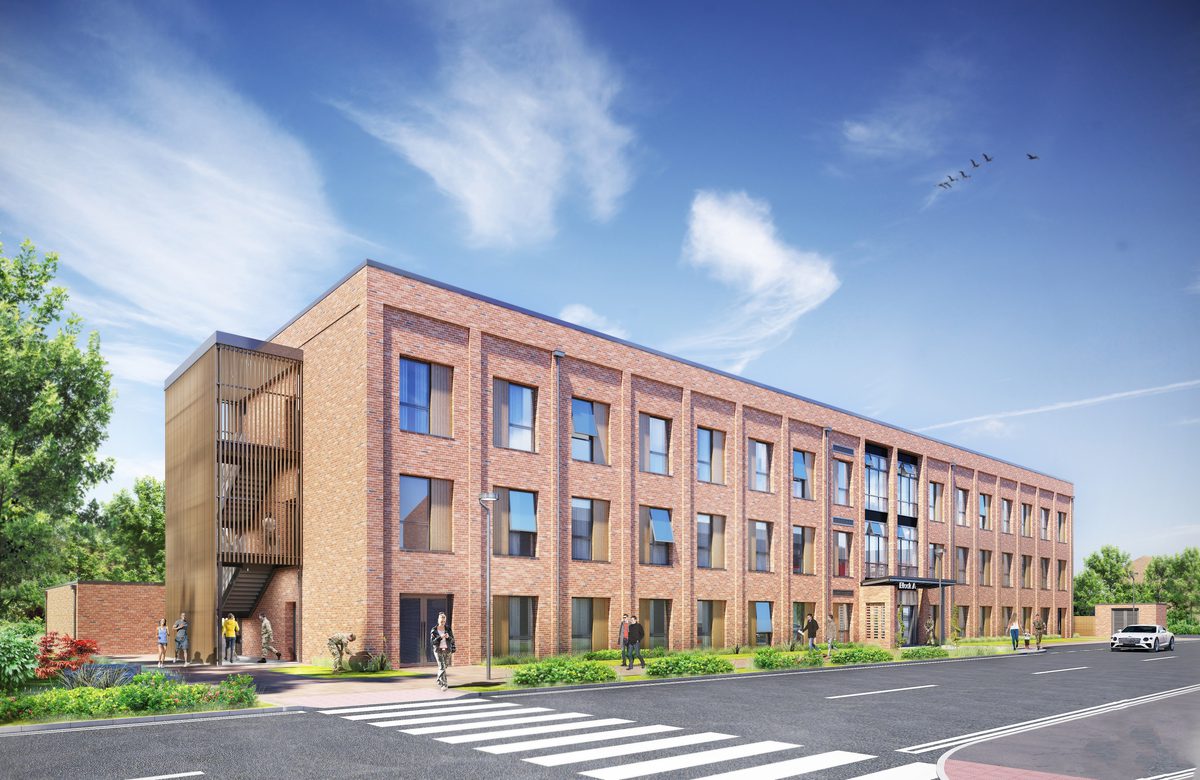
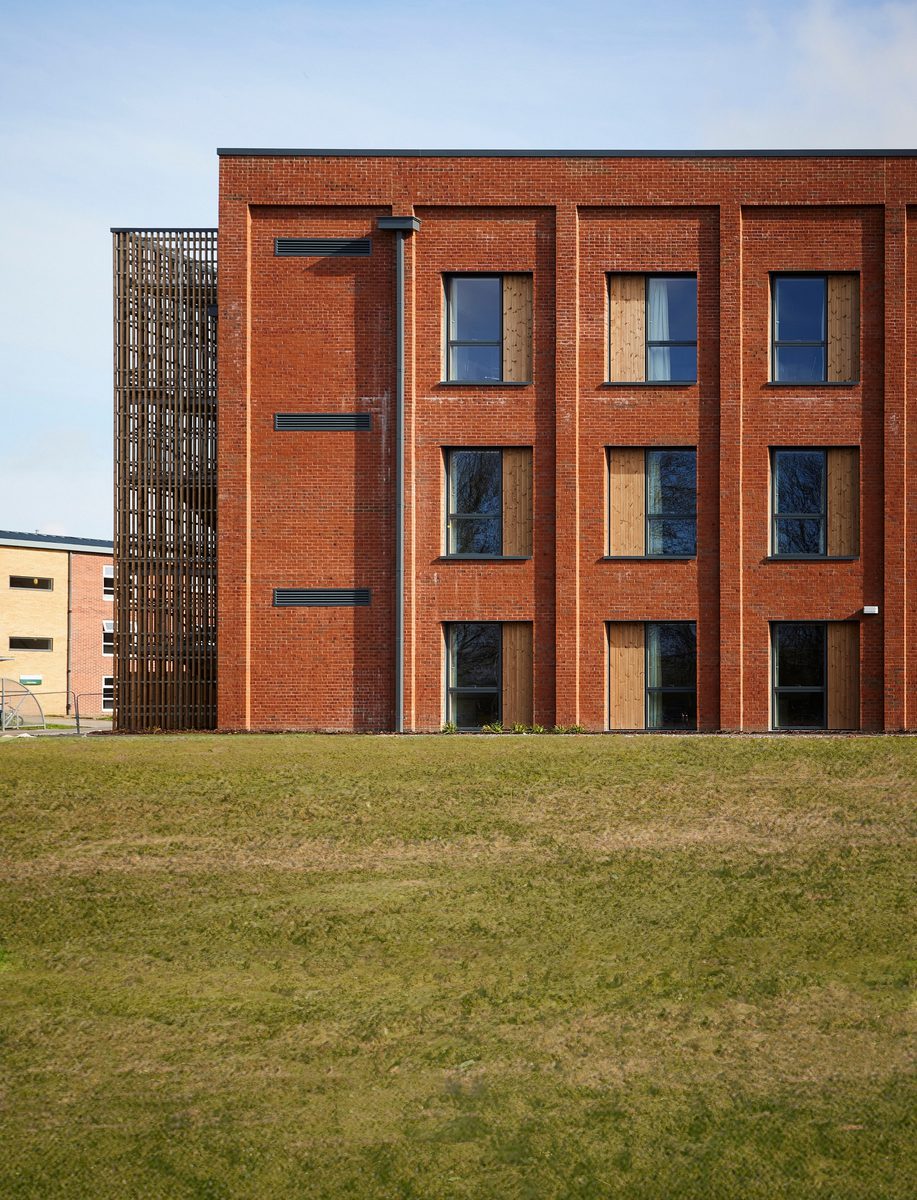
Two recent schemes I led directly are good examples of what this looks like in practice:
At Kinloss Barracks and Stafford Barracks we delivered new modular SLA buildings for junior ranks personnel, replacing poor-quality existing accommodation blocks that were scoped for demolition. At Kinloss this included two new accommodation blocks providing 137 bed spaces for junior ranks, the demolition of three existing blocks and a new 130-space car park with accessible spaces and electric vehicle charging points. At Stafford a new block delivers 75 bed spaces for junior ranks personnel.
What made these projects particularly interesting was the design approach. Both schemes were designed to Passivhaus principles, a standard that sets some of the most demanding energy performance targets in the industry. This approach drove decisions across the building fabric, from the quality of insulation and airtightness to window placement and ventilation strategy. The result is accommodation that is comfortable to live in, cheaper to heat and more resilient over its whole life.
Both developments were designed to exceed current Near Zero Carbon building standards and achieved a Defence Related Environmental Assessment Method (DREAM) rating of Excellent. Every bedroom includes en-suite facilities with generous space for sleeping, leisure, storage and personal study, and full accessibility provision throughout. Communal and amenity spaces were designed in line with MoD guidance under JSP 315, the Services Accommodation Code.
These projects sit within a much broader portfolio of SLA and residential defence work delivered across the estate, from Catterick Garrison and Ripon Garrison to HMNB Clyde and RAF bases nationwide.


Balancing compliance with quality
Defence accommodation projects sit within a detailed framework of MoD and DIO requirements. Meeting these standards is non-negotiable. But working within a prescriptive framework does not mean accepting poor design outcomes.
The most effective projects combine rigorous technical compliance with genuine design quality. Getting the relationship between bedrooms, communal space and circulation right, selecting durable and low-maintenance materials, and ensuring good natural light and ventilation all make a real difference to daily experience. At Kinloss and Stafford, designing to Passivhaus principles meant these considerations were built into the fabric of the building from the very beginning rather than added as an afterthought.
These are not luxuries. They are the difference between accommodation that retains people and accommodation that does not.
Sustainability as standard
The Defence Housing Strategy’s emphasis on decarbonisation aligns with what we have been designing towards for some time. The strategy sets a clear expectation that all new build defence homes should achieve a minimum of Energy Performance Certificate (EPC) B, working towards EPC A. Designing to Passivhaus principles, as we did at Kinloss and Stafford, delivers buildings that are genuinely low energy in operation rather than simply meeting minimum compliance thresholds on paper. A high-performance building fabric also supports compliance with Awaab’s Law, which sets clear requirements around damp, mould and indoor air quality, and which Defence homes are now expected to meet as a priority.
Combined with modular construction methods, this approach can be delivered within the programme and cost constraints that defence procurement demands.
Modular construction also brings advantages specific to defence environments. Working within live operational sites requires careful management of access, security and disruption. Offsite fabrication reduces the volume of on-site activity and improves programme certainty, both of which matter significantly on an active military base.
The bigger picture
The pace of change in defence accommodation is accelerating. The Defence Housing Strategy sets out a ten-year programme to renew 9 in 10 homes across the estate, with at least one third of all homes to be replaced entirely. The strategy also recommends ending the long-standing ‘fix on fail’ approach to maintenance, replacing it with a professional planned lifecycle programme across all Defence homes.
The SLA review is running in parallel. Launched in January 2026 and chaired by Natalie Elphicke Ross OBE, who also led the Defence Housing Strategy, it is gathering evidence directly from personnel across all ranks and locations. The UK findings are expected by Summer 2026, with overseas accommodation reviewed by the end of the year. Years of underinvestment have left many SLA buildings with damp, poor heating and layouts that simply do not reflect modern service life. The review is designed to address exactly that.
Underpinning both programmes, the new Defence Housing Service is being established through the Armed Forces Bill. It will bring specialist housing expertise, dedicated commercial freedoms and direct accountability to Ministers under one roof, giving defence accommodation the focused organisational attention it has long needed.
For those of us working on defence estate design, estate assessments, condition surveys, refurbishment strategies and long-term asset management will be as important as new construction in the years ahead. Many accommodation buildings across the estate are ageing and underperforming.
The opportunity now is to apply the experience built across years of live delivery at greater scale, raising the bar for the environments where military personnel live and serve.
I’d be happy to discuss any aspect of defence estate design and delivery. Get in touch
Frequently asked questions
Single Living Accommodation (SLA) houses around 80,000 single and unaccompanied military personnel across the UK and overseas. The Strategic Defence Review 2025 confirmed that poor-quality accommodation directly contributes to recruitment and retention challenges in the Armed Forces, making thoughtful SLA design a strategic as well as operational priority.
Published in November 2025, the Defence Housing Strategy commits £9.2 billion to improving more than 40,000 service family homes. It sets a ten-year programme to renew nine in ten homes across the defence estate, with at least one third replaced entirely, alongside a shift from reactive 'fix on fail' maintenance to planned lifecycle management.
Passivhaus is an internationally recognised energy performance standard focused on building fabric quality, airtightness, insulation, ventilation and window placement. Designing to this standard produces accommodation that is genuinely low energy in operation, cheaper to heat, and more comfortable to live in — directly supporting the Defence Housing Strategy's decarbonisation targets and EPC A/B requirements, as well as compliance with Awaab's Law on damp, mould and indoor air quality.
Modular or offsite construction significantly reduces on-site activity, which is particularly valuable on live operational bases where access, security and disruption must be carefully managed. It also improves programme certainty and, when combined with Passivhaus design principles, can deliver high-performance, sustainable accommodation within defence procurement cost and schedule constraints.
SLA projects must comply with MoD and DIO requirements, including JSP 315 (the Services Accommodation Code), which sets standards for bedroom, communal and amenity spaces. New build defence homes are expected to achieve a minimum EPC B rating, working towards EPC A. Projects can also be assessed under the Defence Related Environmental Assessment Method (DREAM), and all defence homes are now expected to meet the requirements of Awaab's Law as a priority.
Posted on:
Mar 1st 2026
Topics:
Share on
Related Projects

Dreghorn Barracks
Alongside new accommodation, we delivered offices, training facilities, workshops, welfare spaces, duty-staff sleeping and changing / shower facilities.

Kinloss Barracks
We delivered two modular junior ranks SLA blocks designed to Passivhaus principles, replacing older accommodation and improving comfort and wellbeing.

Stafford Barracks
We shaped a modular single living accommodation (SLA) building designed to Passivhaus principles, providing high quality bedrooms and communal space aligned with MoD guidance.
Related News

From legacy to resilient: rethinking the UK defence estate
Thought Leadership
1 Dec 25

Stuart Bryson to lead AHR’s defence sector group
Practice News
11 Mar 26

What the Defence Industrial Strategy means for the built environment and where specialist expertise makes the difference
Thought Leadership
23 Mar 26