
Thought Leadership
Masterplanning the sovereign industrial base: thinking at scale

by AHR
Defence investment does not arrive building by building, it arrives as policy, as programme, as a long-term commitment to reshaping national capability. When it reaches a site, town or region, it creates change at a scale individual projects cannot address alone.
The UK is at the beginning of a period of defence investment that will reshape whole sites, whole communities and in some places whole towns. The question is whether the planning, design and built environment professions are thinking at the scale the moment demands.
Masterplanning is the discipline that answers this question. And it is one of the most undervalued tools in the defence sector’s toolkit.
Why masterplanning matters in defence
Individual building projects in defence are almost always driven by specific operational requirements and discrete budget allocations. A new accommodation block. A training facility. An upgraded workshop. These projects have clear briefs, defined programmes and identified funding. They are manageable and comprehensible within the normal project delivery framework.
But the estate within which these projects sit is not a collection of independent buildings. It is a complex, interdependent system of infrastructure, movement, utilities, security zones and operational functions.
- A new building in the wrong location can compromise the security of an existing facility
- A road alignment chosen to serve one project can obstruct a future development
- An infrastructure investment made to support current operations can foreclose options for long-term estate evolution
These problems are not hypothetical. They are the predictable consequence of making individual project decisions without a coherent strategic framework. And in a defence context, where projects take place within live operational sites and where mistakes can have operational as well as financial consequences, they matter significantly.
Masterplanning provides the framework within which individual project decisions can be made confidently and coherently. It establishes the long-term development principles for an estate, resolves the big infrastructure and access questions at the right stage, and creates a shared understanding of how the estate should evolve that all subsequent project decisions can be tested against.
The particular challenges of defence masterplanning
Masterplanning a live defence estate is substantially more complex than masterplanning a greenfield development or a decommissioned industrial site.
Operational continuity is the central constraint. The estate must continue to function throughout the development programme, which may span many years or decades. This requires phasing strategies that manage the sequence of demolition, construction and commissioning carefully, ensuring that operational capability is maintained at all times.
Security zoning adds another layer of complexity. Defence sites typically operate across multiple security classifications, with carefully managed interfaces between them. Masterplanning must respect and reinforce these boundaries, ensuring that development does not inadvertently compromise the security management of the estate.
Infrastructure sequencing is critical. Utilities, roads, drainage and digital infrastructure must be planned and delivered in the right order to support the development programme without creating bottlenecks or requiring expensive rework. In an estate that may have decades of accumulated infrastructure, understanding what exists, what its condition is and what can be retained or extended requires detailed survey and assessment before masterplanning decisions are made.
Future flexibility is the final challenge and perhaps the most important. Defence operational requirements evolve continuously. Masterplans that are too prescriptive about the specific buildings and uses of every part of an estate can quickly become obsolete.
The best defence masterplans establish a clear framework for development while preserving the flexibility to accommodate changes in operational requirements over time.
Lessons from large-scale industrial and campus masterplanning
Many of the challenges of defence masterplanning are shared with other large-scale complex environments. Industrial campuses, research and technology facilities, major healthcare sites and university campuses all involve long-term development programmes within operational environments, complex infrastructure requirements and the need to balance immediate project decisions with long-term strategic ambitions.
Our experience delivering masterplanning and long-term facilities programmes for organisations in advanced manufacturing, aviation, rail and infrastructure brings valuable insight to the defence context. The Siemens rail manufacturing facility at Goole, the Airbus Wing Integration Centre at Filton and our long-term facilities relationship with Bentley Motors are all examples of large-scale, complex industrial environments where masterplanning and strategic estate thinking have been central to successful delivery.


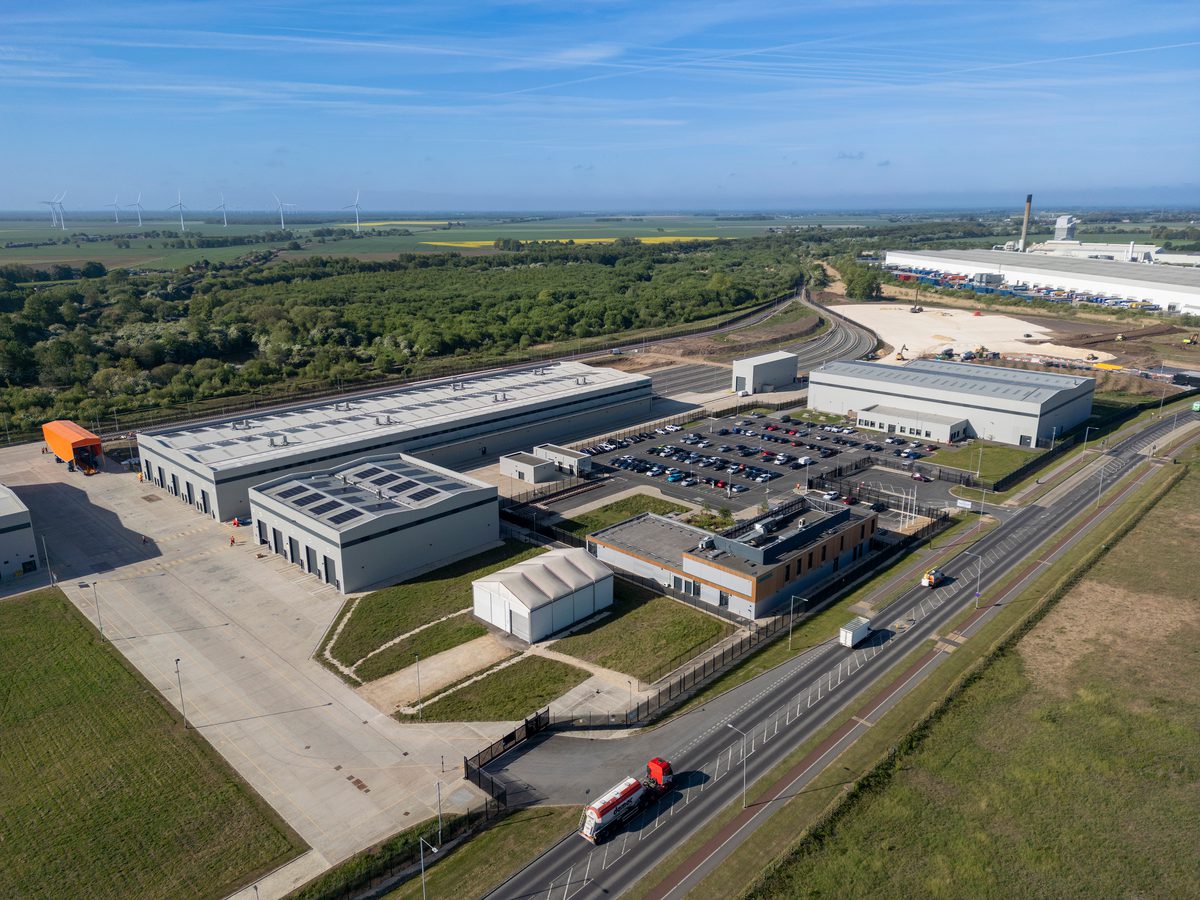
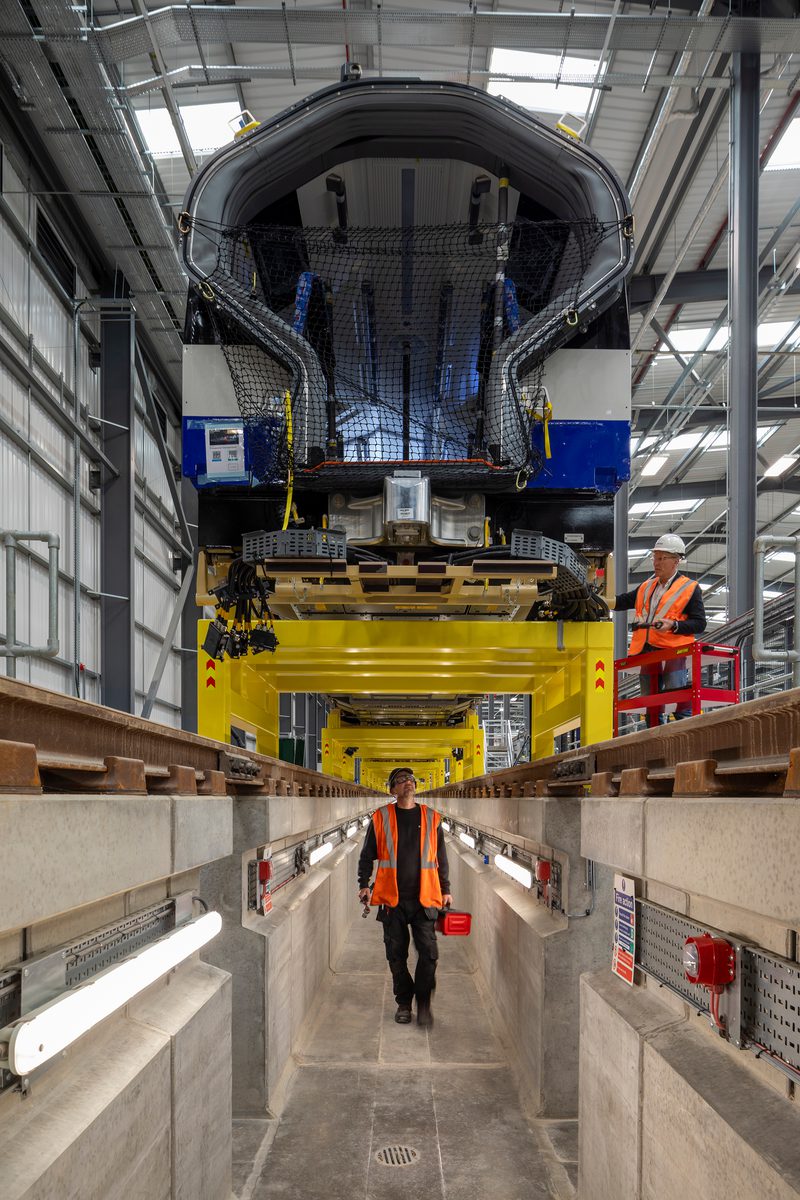
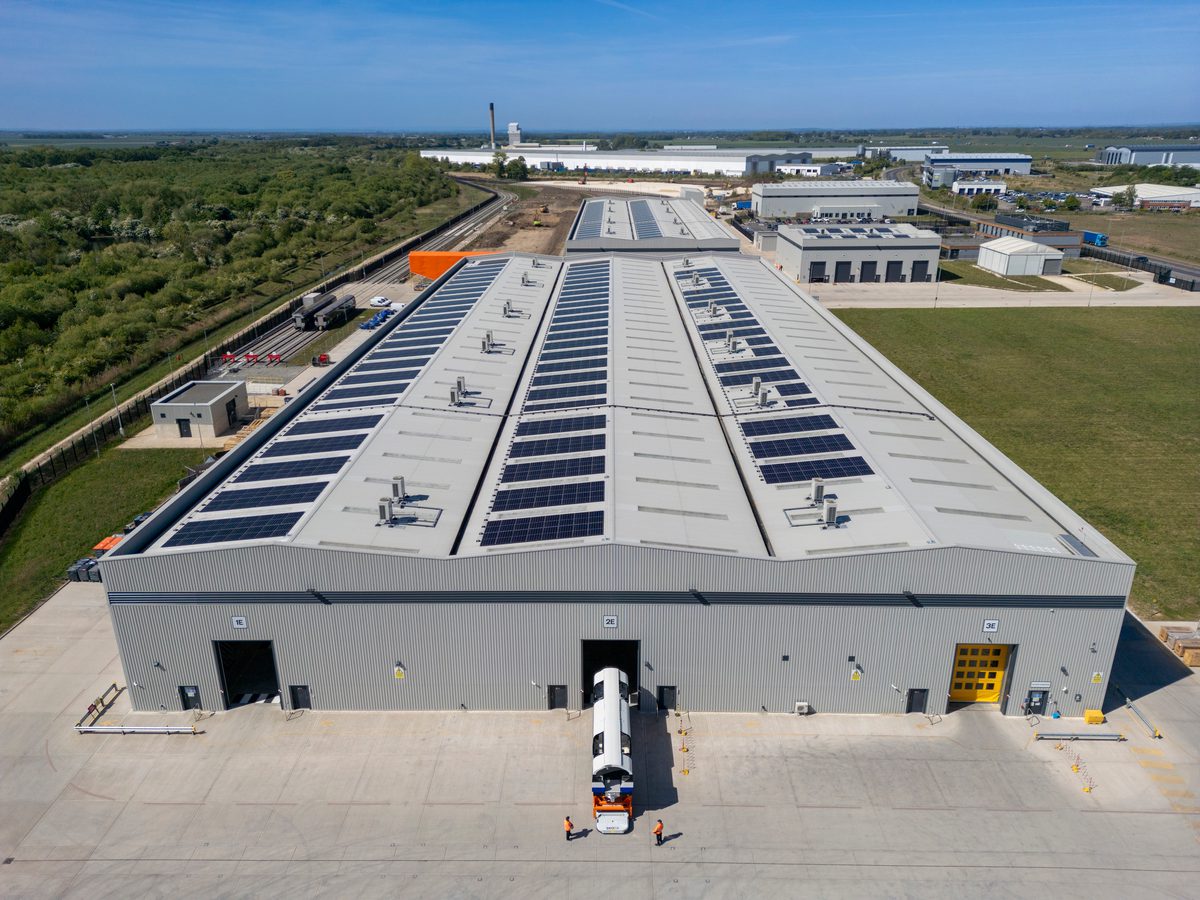
The lessons translate directly. Early resolution of infrastructure and access strategy, clear development phasing that maintains operational continuity, design codes and guidelines that maintain coherence across individual projects delivered over time, and robust stakeholder engagement to build shared understanding of the masterplan vision among the diverse operational communities that occupy a large estate. All of these principles apply as strongly in defence as they do in industrial or campus environments.
Infrastructure sequencing: getting the order right
One of the most consequential decisions in any large-scale masterplanning programme is the sequencing of infrastructure investment. Getting the order of development right can determine whether a long-term programme remains on track and on budget, or whether it is repeatedly disrupted by the consequences of earlier decisions.
Utility infrastructure, including power, water, drainage and data connectivity, must be planned ahead of the buildings it serves. In an existing estate this means understanding the capacity, condition and routing of existing infrastructure before deciding what to retain, extend or replace. In a rapidly growing defence industrial location like Barrow-in-Furness, where workforce and facility expansion is happening at significant pace, this infrastructure planning challenge is both urgent and complex.
Ground conditions, contamination and existing structures all affect sequencing decisions. Buildings that need to be demolished before new development can proceed must be vacated and decommissioned in the right order. Temporary accommodation or operational relocation strategies must be developed where displacement is unavoidable.
These are not purely technical questions. They require close collaboration between design teams, operational planners, estate managers and construction delivery partners to develop phasing strategies that are genuinely workable within the operational context of a live defence site.
One of the most common tensions in defence estate development is between the pressure to deliver short-term operational requirements and the importance of maintaining a long-term strategic perspective.
Budget cycles, operational urgencies and procurement timelines all create pressure to make immediate facility decisions without the time or resource to develop a fully considered estate strategy first."
Stuart Bryson
Regional Director and Defence Sector Lead
The result is a pattern of individual projects that are each justified on their own terms but that, taken together, create an estate that is harder and more expensive to manage over the long term.
The most effective defence clients are those that have invested in developing and maintaining a clear estate strategy, updated as operational requirements evolve, that provides the framework within which individual project decisions are made. This is not a bureaucratic exercise. It is a practical tool for ensuring that investment delivers maximum long-term value and that the decisions made today do not constrain options for the future.
As the Defence Investment Plan takes shape and the scale of investment across the estate increases, the organisations that have done this strategic thinking early will deploy their investment more effectively, avoid costly rework and build estates that remain genuinely fit for purpose as operational requirements evolve.
Making the most of the investment ahead
For the MoD, DIO and for advanced manufacturing and industrial businesses growing their facilities to meet defence programme demand, the masterplanning question is not abstract. It is about whether the significant investment now committed to the defence estate and the sovereign industrial base delivers its full intended value.
Individual projects, however well procured and well delivered, cannot answer that question on their own. The decisions that determine long-term estate value are made upstream: in the strategic frameworks, phasing strategies and infrastructure plans that shape everything which follows.
Engaging a design partner with genuine masterplanning capability and deep understanding of defence and advanced manufacturing environments, early in the programme and at the right level of strategic conversation, is one of the highest-value investments a client organisation can make. It is where programme risk is most effectively managed, where long-term flexibility is preserved and where the return on capital investment is most directly protected.
The defence estate is entering a period of genuine transformation. Whether that transformation is well-ordered, strategically coherent and fit for the long term depends on the quality of thinking applied at the beginning, not the end. That is the conversation we are ready to have. Get in touch
Frequently asked questions
We combine defence sector knowledge with extensive experience masterplanning complex, live environments across manufacturing, aviation and infrastructure. Our work on major programmes such as Siemens Mobility in Goole, Airbus at Filton and Bentley Motors demonstrates our ability to plan at scale, manage phasing and coordinate infrastructure. This breadth enables us to support defence clients with clear, strategic frameworks that reduce risk and protect long-term value.
Masterplanning sets the long-term framework for how a defence estate evolves. It helps people make confident project decisions that align with wider operational, infrastructure and security needs. Without it, individual projects can create costly constraints for the future.
We plan development in phases so sites continue to function throughout. By carefully sequencing demolition, construction and commissioning, we help maintain operational continuity while enabling long-term change.
Infrastructure underpins every building and operation. Planning utilities, access and digital networks early helps avoid disruption, rework and unnecessary cost. Getting the order right keeps programmes on track.
We create clear, flexible frameworks that guide immediate decisions without limiting future options. This means organisations can respond to urgent requirements while protecting long-term estate value.
Industries like manufacturing, aviation and healthcare face similar challenges. Our experience shows that early planning, clear phasing and strong collaboration lead to more resilient, adaptable estates.
Posted on:
May 11th 2026
Topics:
Share on
Related Articles

Thought Leadership
Security, resilience and wellbeing: designing defence facilities that perform
Stuart Bryson explores how we design resilient, adaptable defence facilities that balance stringent security with human-centric environments to boost performance.
Date: 16 Apr 26

by Stuart Bryson
Regional Director, Architecture

Thought Leadership
What the Defence Industrial Strategy means for the built environment and where specialist expertise makes the difference
We explore what the Defence Industrial Strategy actually demands from the built environment, and where genuine cross-sector expertise makes a real difference.
Date: 23 Mar 26
by AHR

Practice News
Stuart Bryson to lead AHR’s defence sector group
We're delighted to announce regional director Stuart Bryson's appointment to lead our defence sector group, helping to strengthen the UK defence estate.
Date: 11 Mar 26
by AHR

Thought Leadership
Designing accommodation where military personnel can live and perform at their best
Defence sector lead Stuart Bryson explores designing military Single Living Accommodation that supports wellbeing, with insights on Passivhaus design and the Defence Housing Strategy 2025.
Date: 1 Mar 26
by Stuart Bryson
Regional Director, Architecture