
Thought Leadership
It's time to have your say on Scotland's Passivhaus equivalent

by Jamie Gregory
Associate Director, Architecture
We're delighted that the Scottish Government has launched its stage 2 consultation on the proposed Scottish Passivhaus equivalent policy.
Open until Friday 16 October, this is an important moment for everyone involved in shaping the future of building standards in Scotland. It is a real opportunity for the industry to help influence what comes next.
At AHR, we welcome the consultation not just as a sponsor of the Passivhaus Trust, but as an active member and regular contributor to its work. We meet regularly with the trust, share technical insight and contribute practical experience from live projects across multiple sectors. That ongoing involvement means we understand both the ambition behind higher performance standards and the practical detail needed to make them work on real projects.
We believe this matters. National policy needs to be informed by people delivering buildings every day, across schools, community centres, residential schemes and industrial parks, as well as other sectors where performance, cost, wellbeing and long-term value all need to be carefully balanced.
Why this review matters
The proposed policy would introduce a Scottish equivalent to the Passivhaus standard for all new domestic and non-domestic buildings. Its aim is to improve energy performance, support better compliance and create healthier indoor environments.
That has clear environmental and social benefits:
- Tackling fuel poverty: Heating costs remain one of the main drivers of fuel poverty. Better insulated, low-energy buildings can help people live more comfortably while reducing energy bills, supporting Scotland’s ambition to reduce fuel poverty to under five per cent by 2040.
- Supporting communities and children: Buildings that are designed to perform reliably, with good ventilation and healthy indoor air quality, can have a meaningful impact on everyday life. From homes and schools to community settings, these standards can support better health, wellbeing and learning.
- Driving net zero carbon targets: Reducing energy demand in new buildings will also reduce emissions linked to operational use, helping Scotland move towards its net zero carbon target by 2045.
What is being decided in stage 2?
Following the stage 1 consultation, which introduced the requirement for design and construction compliance statements, stage 2 focuses on the technical delivery of the standard.
The consultation is looking for views on:
- Performance targets: Setting the specific energy demand targets for new buildings compared to the 2023 standards.
- Compliance methodologies: Exploring how targets are calculated, including the potential recognition of the Passivhaus Planning Package (PHPP) as an alternative compliance method.
- Indoor environmental quality: Assessing proposals around ventilation, indoor air quality and comfortably mitigating overheating.
- The compliance process: Defining how design and construction compliance statements will work in practice to bridge the performance gap between design intent and finished build.
Our expertise and commitment
We are well placed to contribute to this debate because we’re already helping clients deliver low-carbon, healthy and future-ready buildings across the UK.
Our experience is not limited to one building type or one route to compliance. That breadth gives us a practical understanding of how high-performance standards need to respond to different building uses, client priorities and funding pressures.
We also bring direct Passivhaus experience. Our portfolio includes certified Passivhaus projects, including the world’s largest Passivhaus-certified education building, and we have a growing team of Passivhaus-certified designers across our UK offices. Just as importantly, we understand how to turn technical ambition into buildable, commercially grounded solutions that work on-site and perform in use.
That combination of policy awareness, technical expertise and hands-on delivery experience is why AHR has a credible and valuable voice in this market.


How to respond
If you work in design, delivery, asset management or building operation, this consultation is your opportunity to help shape a standard that will affect projects across Scotland for years to come.
We would strongly encourage you to take part before the . The more informed, practical and wide-ranging the response, the better the outcome is likely to be for clients, communities and the built environment as a whole.
You can review the consultation documents and submit your response on the Scottish Government’s consultation hub here
Frequently asked questions
We are actively involved in the conversation around Passivhaus and building performance, not only as a sponsor of the Passivhaus Trust but as a regular contributor to its work. Our experience spans schools, community centres, residential schemes and industrial parks, as well as other sectors where low-energy design, wellbeing and long-term performance all matter. With certified Passivhaus projects in our portfolio, including the world’s largest Passivhaus-certified education building, and a growing team of Passivhaus-certified designers across our UK offices, we are well placed to offer practical, commercially grounded insight into how these standards can be delivered successfully.
The Scottish Passivhaus equivalent is a proposed update to Scottish building regulations aimed at matching the high-efficiency principles of the international Passivhaus standard. The policy focuses on excellent insulation, airtightness and mechanical ventilation with heat recovery. The goal is to ensure all new buildings are highly energy efficient, healthy and comfortable for the people who use them.
Once implemented, the new regulations will apply to all new-build domestic and non-domestic buildings constructed in Scotland. This means everything from homes and apartments to schools, workplaces and civic buildings must meet these high-performance standards.
Fuel costs are the primary driver of fuel poverty. By significantly reducing the amount of energy needed to heat a building, these standards ensure that homes are warmer and much cheaper to run. This supports the Scottish Government’s target to reduce fuel poverty to under five per cent by 2040.
The Passivhaus Planning Package (PHPP) is a highly accurate energy modeling tool used by designers to plan low-energy buildings. The consultation is seeking views on whether to officially recognise PHPP as an alternative compliance methodology alongside traditional building standards software.
The stage 2 consultation is open to everyone, including designers, developers, local authorities and community partners. You can view the draft documents and submit your feedback online via the Scottish Government’s consultation hub before the deadline on Friday 16 October.
Posted on:
Aug 21st 2026
Topics:
Share on
Related Projects

Caledonia High School
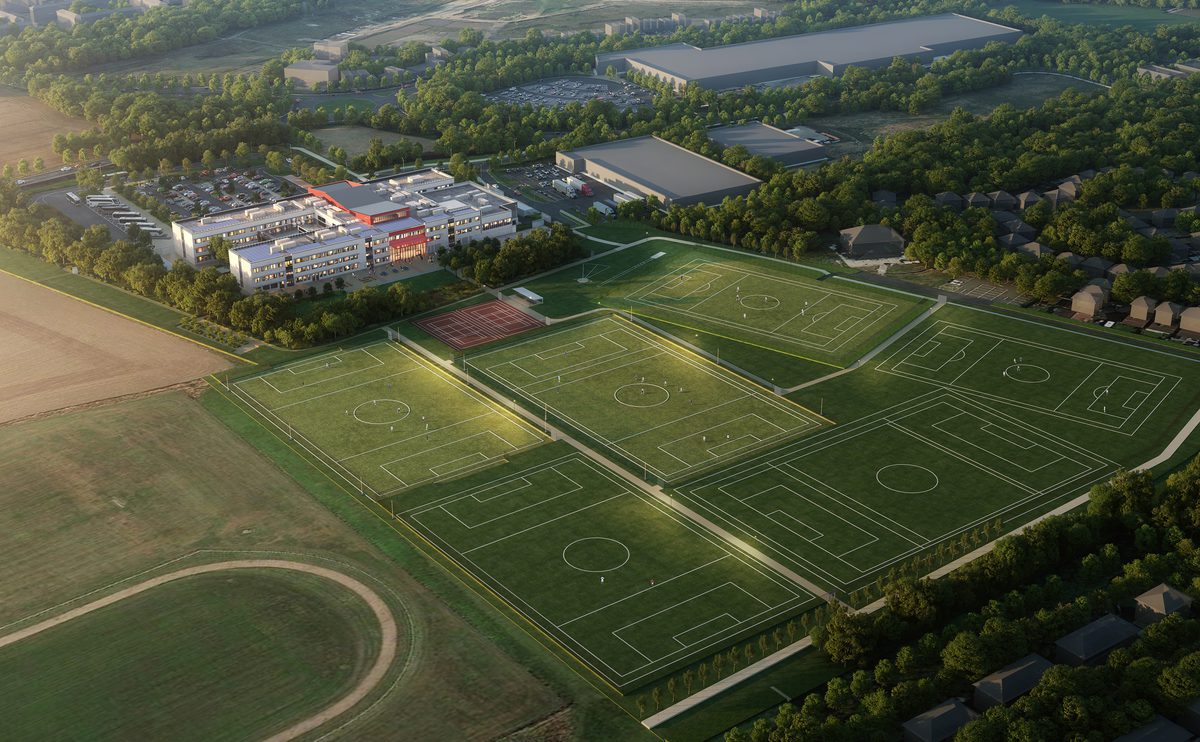
This sustainable 1,735-place school, targeted to achieve Passivhaus Classic certification, will replace the outdated Inverkeithing High School.

Woodmill and St Columba's RC High School
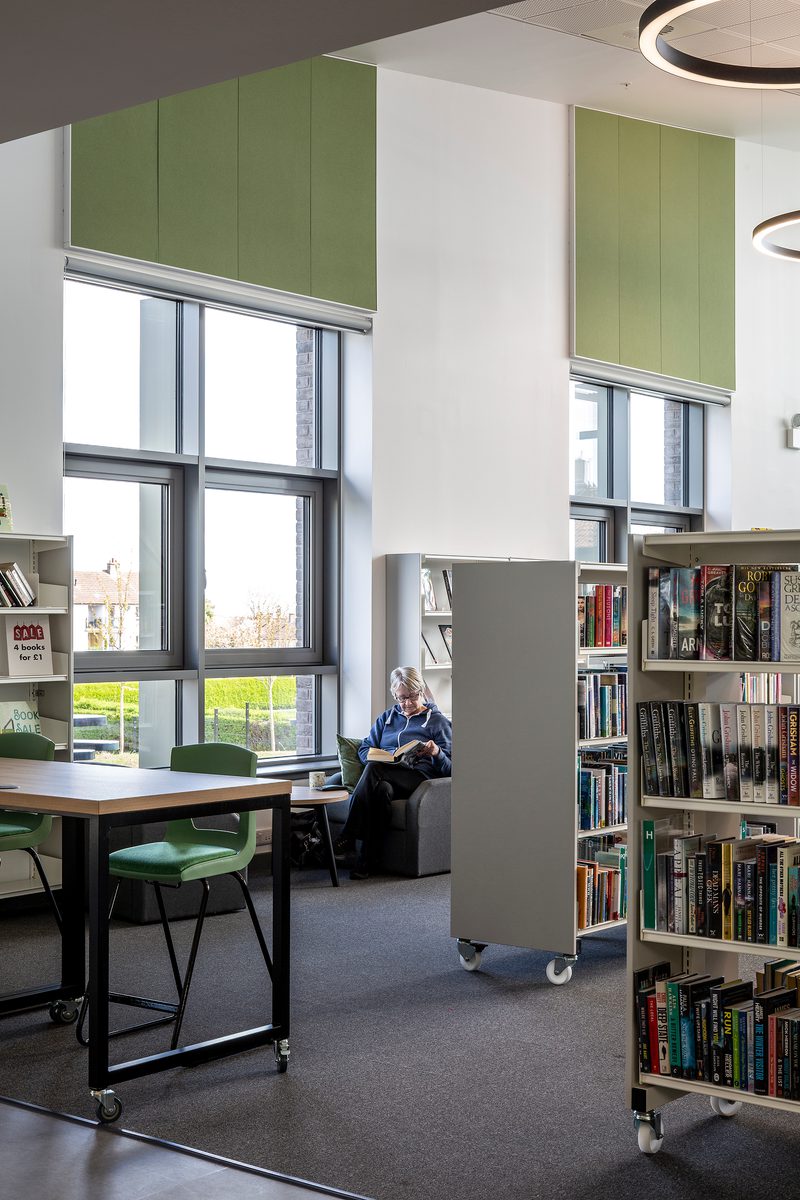
Inspiring better learning and nurturing future talent in the largest Passivhaus-certified education building in the world.

1 - 21 St Cuthberts
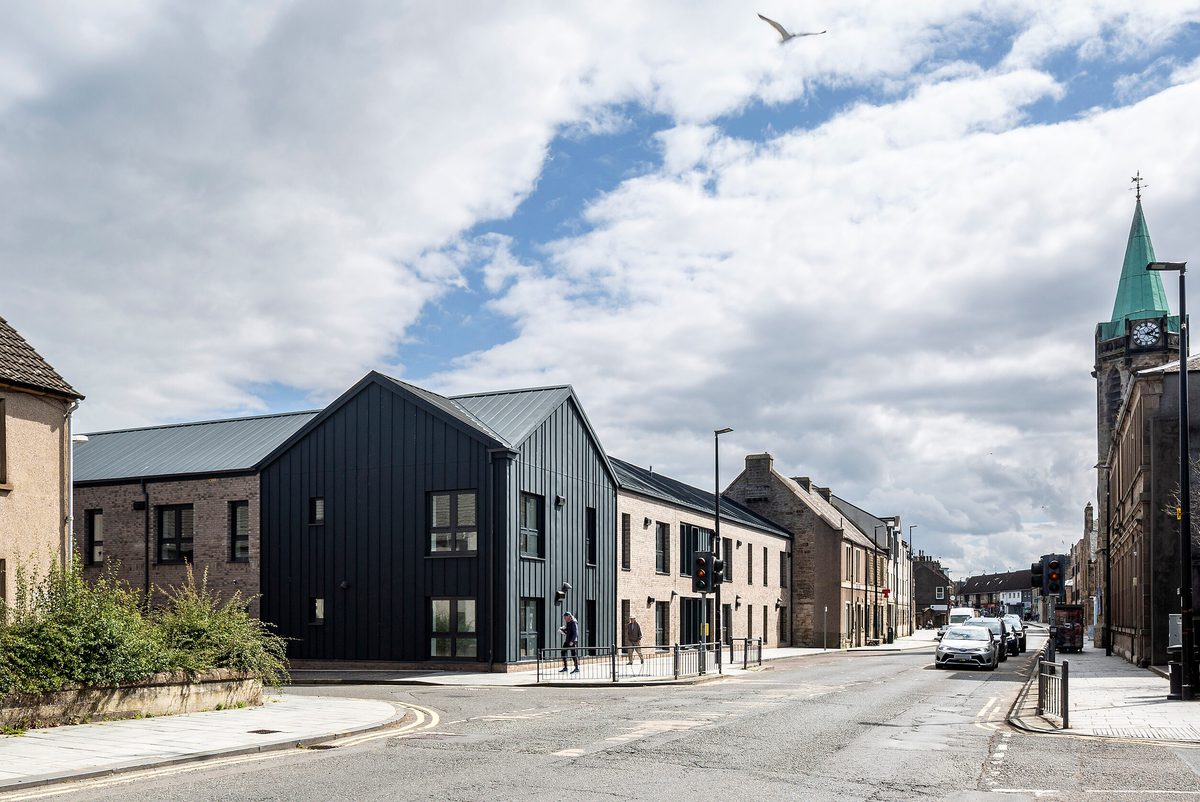
Located in the heart of the town centre sits the new, single-tenancy residential development for people living with learning disabilities, designed to target Passivhaus classic standard
Related News

We've been shortlisted for Architectural Practice of the Year at this year's Education Estates Awards
Awards
28 Jul 26

Celebrating our shortlisting at the Building Design (BD) Architect of the Year Awards 2026
Awards
20 Jul 26

Caledonia High School completes, complementing our growing Passivhaus project portfolio
Project News
14 Jul 26