
Thought Leadership
Heritage, conservation and the defence estate: modernising without losing what matters

by Stuart Bryson
Regional Director, Architecture
Much of the UK's defence estate is historic. Not historic in a vague, incidental sense, but genuinely significant: listed buildings, scheduled monuments, designed landscapes and townscapes that carry real architectural, historical and cultural importance.
Barracks built in the Victorian era. Airfield infrastructure from the Second World War. Naval dockyards with histories stretching back centuries. These buildings and places present some of the most complex and rewarding design challenges in the defence estate.
The obligation to preserve and enhance their significance while meeting the demands of modern operational use, current building regulations and contemporary sustainability standards creates a tension that requires genuine expertise and careful design judgement to navigate.
It is also, in our experience, one of the most underappreciated dimensions of defence estate management.
The scale of the heritage challenge
The Ministry of Defence (MoD) manages a remarkable collection of historic buildings and designed environments. From the Georgian naval architecture of HMNB Portsmouth to the listed accommodation blocks of Catterick Garrison, from the art deco administrative buildings of wartime RAF stations to the Victorian barracks that survive across garrison towns throughout the country, the defence estate encompasses built heritage of extraordinary variety and significance.
Many of these buildings are listed at Grade I or Grade II*, representing outstanding or particularly important examples of their type. Others sit within conservation areas or on the settings of scheduled monuments, where development decisions must be made with careful regard to their potential impact on heritage significance.
This heritage obligation does not disappear because a building is in operational use, or because operational requirements have changed. The duty to preserve and enhance the significance of listed buildings and their settings is a legal obligation, and one that applies to the MoD as to any other building owner.
Navigating this obligation within the context of defence operational requirements, DIO specifications and the pressures of capital investment programmes requires specialist knowledge and experience in both heritage and conservation practice and the particular context of defence estate management.
Conservation as an asset
It is sometimes tempting to regard heritage obligations as a constraint, a layer of complexity that adds cost and time to projects that might otherwise be straightforward. Our experience suggests the opposite is true.
The historic buildings of the defence estate are assets, not liabilities. They represent significant embodied cultural value, they often provide high quality spatial environments that genuinely support the wellbeing and morale of the people who use them, and they frequently offer the potential for adaptation and reuse that delivers better value over the long term than new build alternatives.
A Victorian barracks block, carefully repaired and sensitively upgraded, can provide accommodation of genuine character and quality. A historic mess building, thoughtfully modernised, can support contemporary working and social patterns while maintaining the sense of continuity and institutional identity that matters to military communities. A wartime airfield control tower, appropriately conserved and adapted, can serve as a striking and functional facility that makes a distinct contribution to the identity of a station.
These outcomes require expertise. Conservation-led design is a specialist discipline, combining deep knowledge of building materials, construction history and heritage significance with the technical capability to address the performance requirements of modern use. It is not a constraint on good design. It is a framework within which good design can produce outcomes of exceptional quality.
 We work hard to give new life to spaces forged in the past
The building surveyor’s role
Before any design intervention in a historic defence building, a thorough understanding of the existing asset is essential. Building condition surveys, historic building records and heritage significance assessments all provide the evidence base on which sound conservation decisions are made.
Building surveyors with specialist heritage expertise play a central role in this process. Understanding the construction materials and methods of historic buildings, the nature and causes of defects, the interventions that have been made over time and their effects on the building’s condition and significance is the foundation of effective conservation planning.
In defence contexts, access to historic building records and previous survey information may be limited by security classifications or the incomplete nature of the MoD’s estate records. This makes thorough physical survey and investigation particularly important. Hidden structural defects, the presence of hazardous materials including asbestos and lead paint, moisture problems arising from changes in building use and heating patterns, and the condition of historic fabric that may not have been inspected for many years are all critical factors in understanding what a building needs and how it can best be improved.
Our building consultancy teams work closely with our architectural specialists to ensure that survey and assessment work provides the information needed to develop design solutions that are both technically sound and appropriately sensitive to heritage significance.
Balancing modernisation with heritage obligations
The most common challenge in conservation work on the defence estate is the need to improve the energy performance of historic buildings while respecting their heritage significance and the integrity of their building fabric.
Standard approaches to insulation and airtightness, including internal wall insulation, replacement windows and sealed construction details, are often either inappropriate for or impossible to apply to historic buildings without causing damage to their fabric or compromising their heritage significance. Traditional materials are breathable by nature, and introducing vapour-impermeable materials into a building designed to breathe can cause serious moisture damage.
This does not mean that historic buildings cannot be improved. It means that improvements must be designed with a thorough understanding of how the building works as a material system, and that solutions must be appropriate to the specific building rather than lifted from a standard retrofit specification.
- Secondary glazing can improve thermal performance without compromising the significance of original windows
- Breathable insulation materials can improve fabric performance without trapping moisture
- Careful draught-proofing at floors, ceilings and around openings can reduce air infiltration significantly without the risks associated with wholesale airtightness measures
Combined with efficient building services and, where appropriate, renewable energy generation, these measures can deliver meaningful improvements in energy performance within a heritage context.
The key is to develop solutions that are specific to the building rather than generic, and that are designed by teams with genuine expertise in both heritage conservation and building performance.
Case studies from civic and defence estate projects
Our conservation and heritage expertise spans both the civic and defence estate, and the two inform each other in ways that strengthen our approach to both.
Work on listed civic buildings, including historic town halls, educational institutions and cultural facilities, has developed our expertise in the repair and sensitive adaptation of Victorian and Edwardian construction, in the management of planning and listed building consent processes and in the development of design solutions that respect and enhance heritage significance.


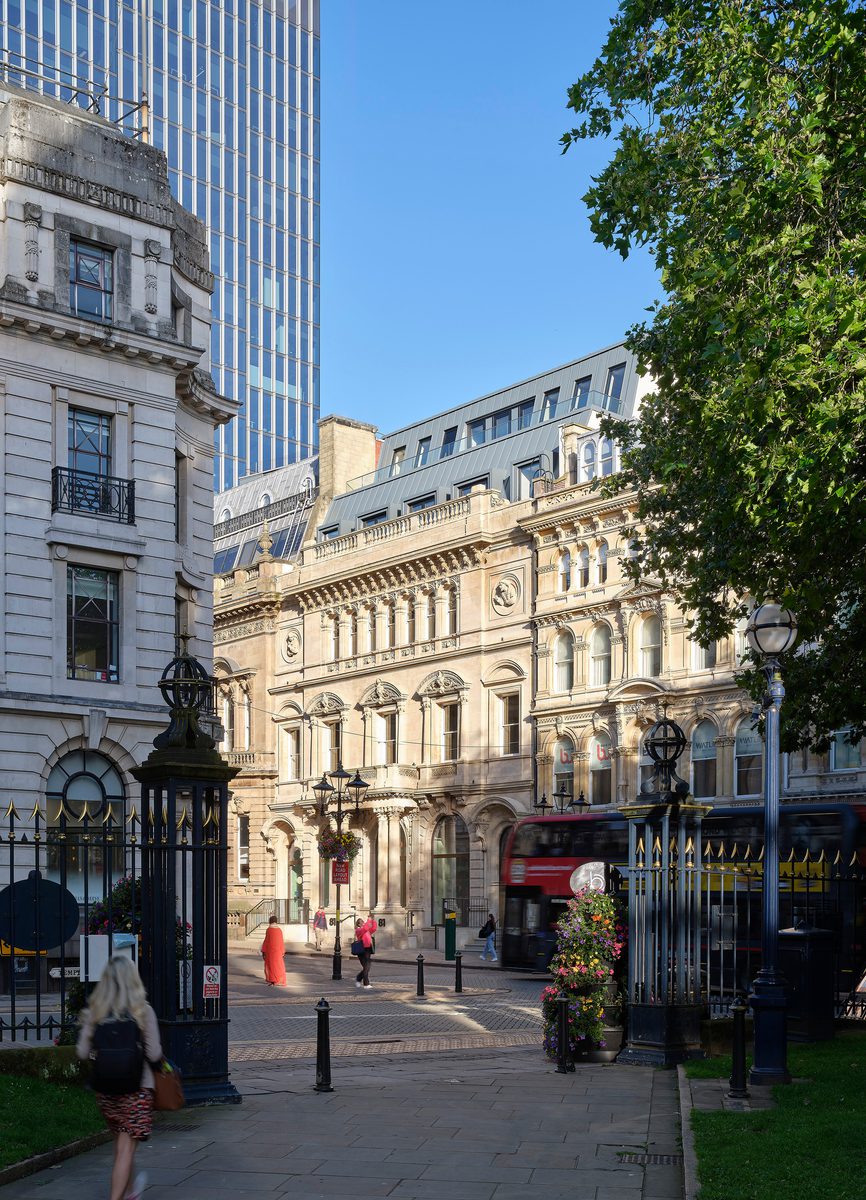
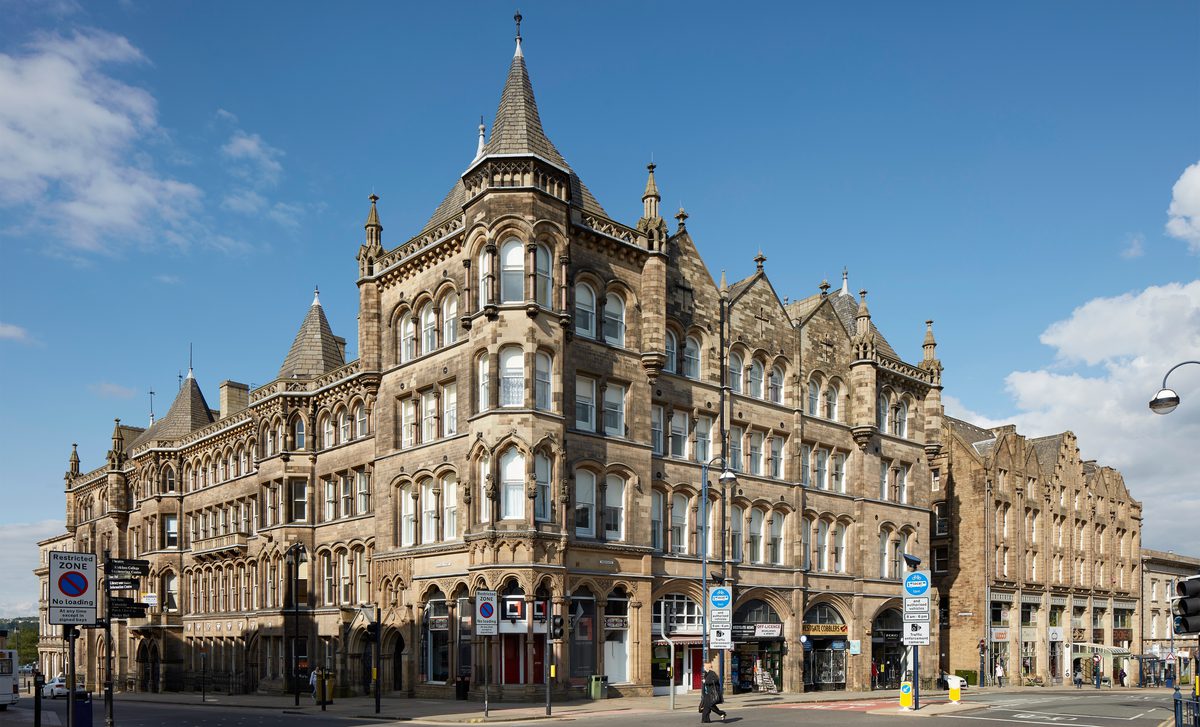
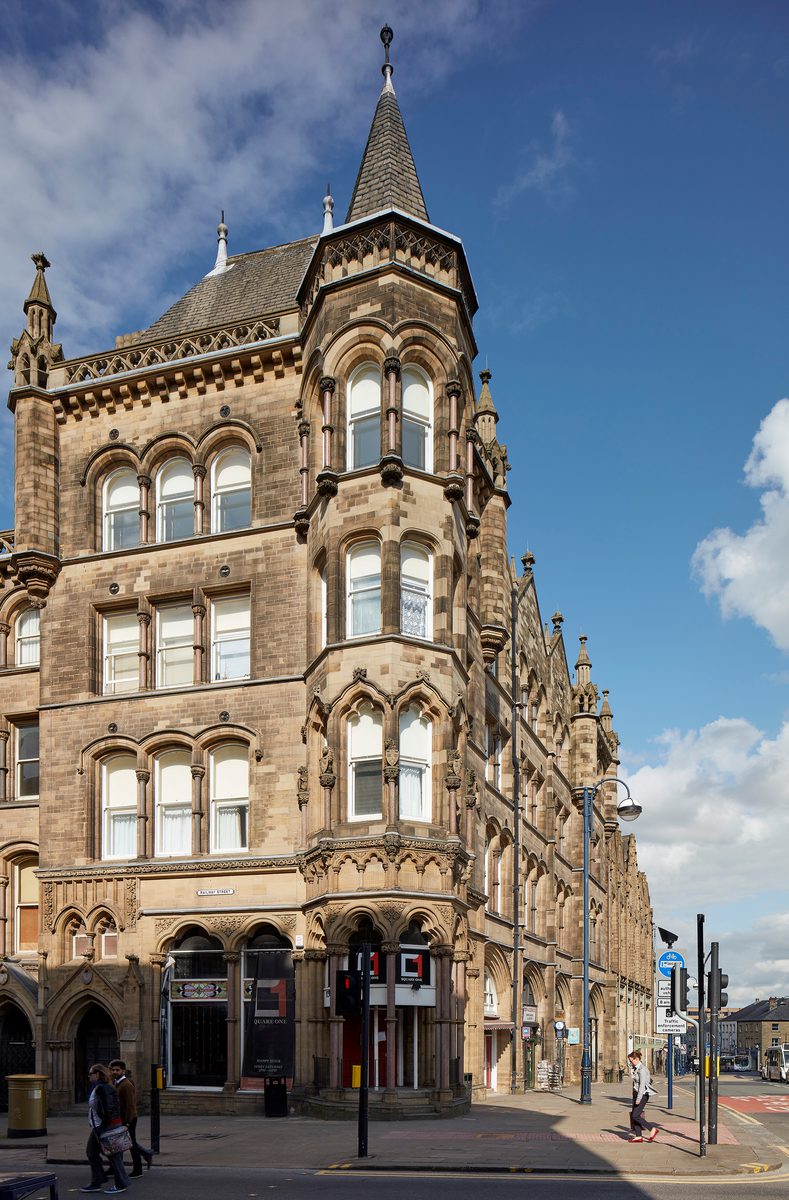
Within the defence estate, our experience extends to historic barracks and administrative buildings, wartime structures and the designed landscapes of several of the UK’s most significant operational sites. The knowledge of security protocols, DIO requirements and operational constraints that comes from years of defence work combines with conservation expertise to allow us to navigate the particular complexity of heritage projects in secure, live environments.
Heritage as a differentiator
Very few voices in the defence built environment sector talk seriously about heritage and conservation. The conversation is dominated by new build, modern methods of construction, digital infrastructure and operational performance. These things matter greatly. But they represent only part of the challenge of managing and developing a defence estate of which a significant proportion is historic.
The organisations and practices that understand both dimensions, that can address the demands of modern operational use and contemporary sustainability standards while genuinely respecting and enhancing the heritage significance of the estate’s historic buildings, are rare and genuinely valuable.
As the defence estate investment programme accelerates and the pressure to modernise and improve the estate grows, heritage expertise will become increasingly important rather than less so. The historic buildings of the UK’s defence estate are part of its identity and its story. Modernising them thoughtfully, preserving what is significant while ensuring they can serve the operational needs of a twenty-first century military, is both a legal obligation and a genuine opportunity to create environments of lasting quality.
If any of the topics above resonate, or if you’d like to talk it through, I’d welcome the conversation. Get in touch
Frequently asked questions
AHR works across some of the UK’s most historically significant defence sites, where listed buildings and landscapes carry legal protection. We help clients not only meet these obligations but unlock the wider value heritage brings to identity, wellbeing and long-term estate performance.
Yes, with the right expertise. AHR’s conservation-led approach combines building physics and heritage knowledge to deliver tailored upgrades, such as breathable insulation and secondary glazing, that improve performance without harming historic fabric.
From our experience on live defence sites, the challenge lies in balancing operational requirements, sustainability targets and heritage constraints. AHR navigates these complexities by integrating DIO standards, conservation principles and practical design solutions from the outset.
AHR’s specialist building surveyors provide detailed condition assessments, uncover hidden risks and interpret historic construction methods. This evidence-led approach ensures that design decisions are both technically robust and sensitive to heritage significance.
AHR’s project experience shows that reuse can offer better long-term value. By extending building life, reducing embodied carbon and enhancing user experience, conservation-led design often delivers more sustainable and distinctive outcomes than replacement.
Posted on:
Jun 2nd 2026
Topics:
Share on
Related Articles

Thought Leadership
Insights, Strategic Defence Review priorities and the need for the Defence Investment Plan
Regional director and defence sector lead Stuart Bryson shares his reflections from the DPRTE conference in Farnborough.
Date: 29 Apr 26
by Stuart Bryson
Regional Director, Architecture

Thought Leadership
Security, resilience and wellbeing: designing defence facilities that perform
Stuart Bryson explores how we design resilient, adaptable defence facilities that balance stringent security with human-centric environments to boost performance.
Date: 16 Apr 26
by Stuart Bryson
Regional Director, Architecture

Thought Leadership
Placemaking with purpose: insights from our placemaking series
Our new report, 'Placemaking with purpose', brings together insights from a seven-part thought leadership series exploring what effective, long-term placemaking looks like in practice.
Date: 10 Apr 26

by AHR

Thought Leadership
What the Defence Industrial Strategy means for the built environment and where specialist expertise makes the difference
We explore what the Defence Industrial Strategy actually demands from the built environment, and where genuine cross-sector expertise makes a real difference.
Date: 23 Mar 26