
Thought Leadership
Scotland’s school estate: From recovery to reinvention

by AHR
Over the past two decades, Scotland has improved the condition of its school estate. Sustained national investment and local commitment have reduced the backlog, with over 90% of pupils now learning in buildings rated good or satisfactory.
That progress matters but it also changes the challenge. As condition becomes the baseline, attention is turning to suitability, sustainability and long-term value.
The next phase for Scotland’s schools is less about fixing what is broken and more about rethinking what learning environments need to support modern teaching, inclusion, wellbeing and community use.
This shift demands a more strategic, outcome-led approach and closer collaboration between local authorities and their professional teams.
From backlog to baseline
In the mid-2000s, only around two-thirds of pupils were educated in schools meeting acceptable condition standards. Today, that figure sits comfortably above nine in ten, reflecting the impact of long-term capital programmes and improved asset management.
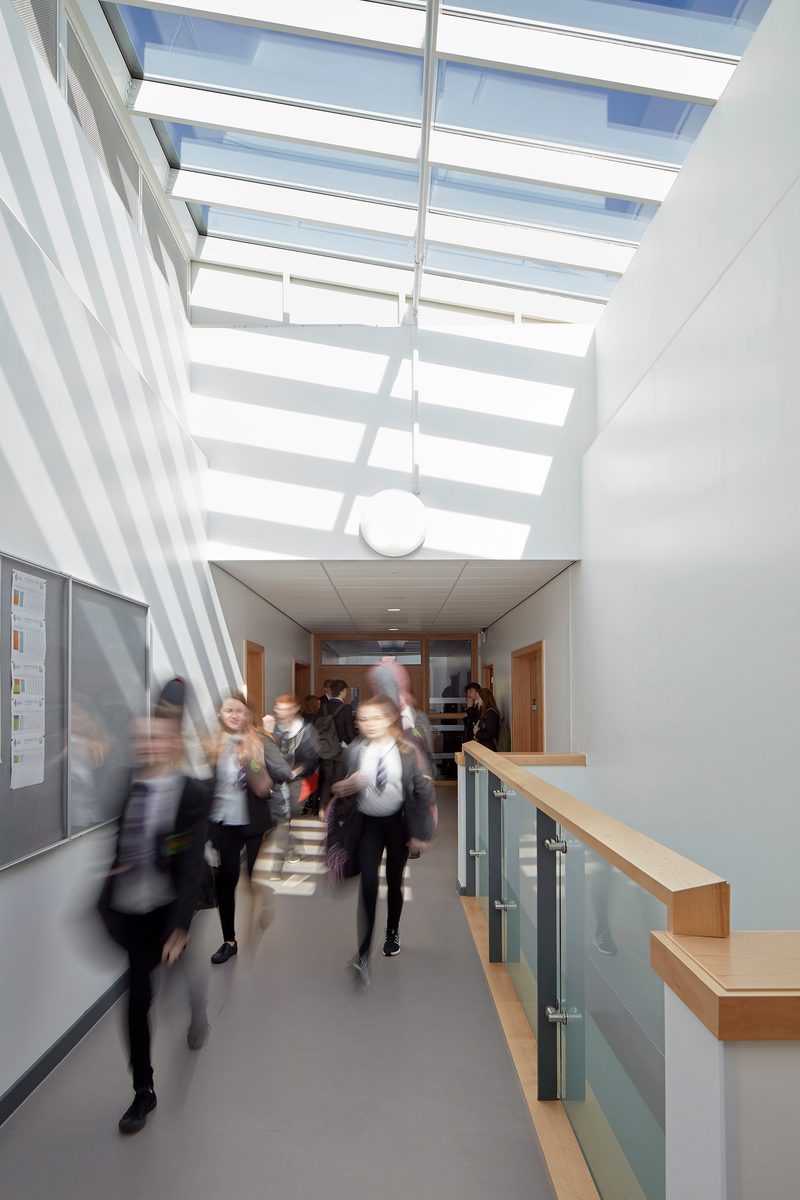
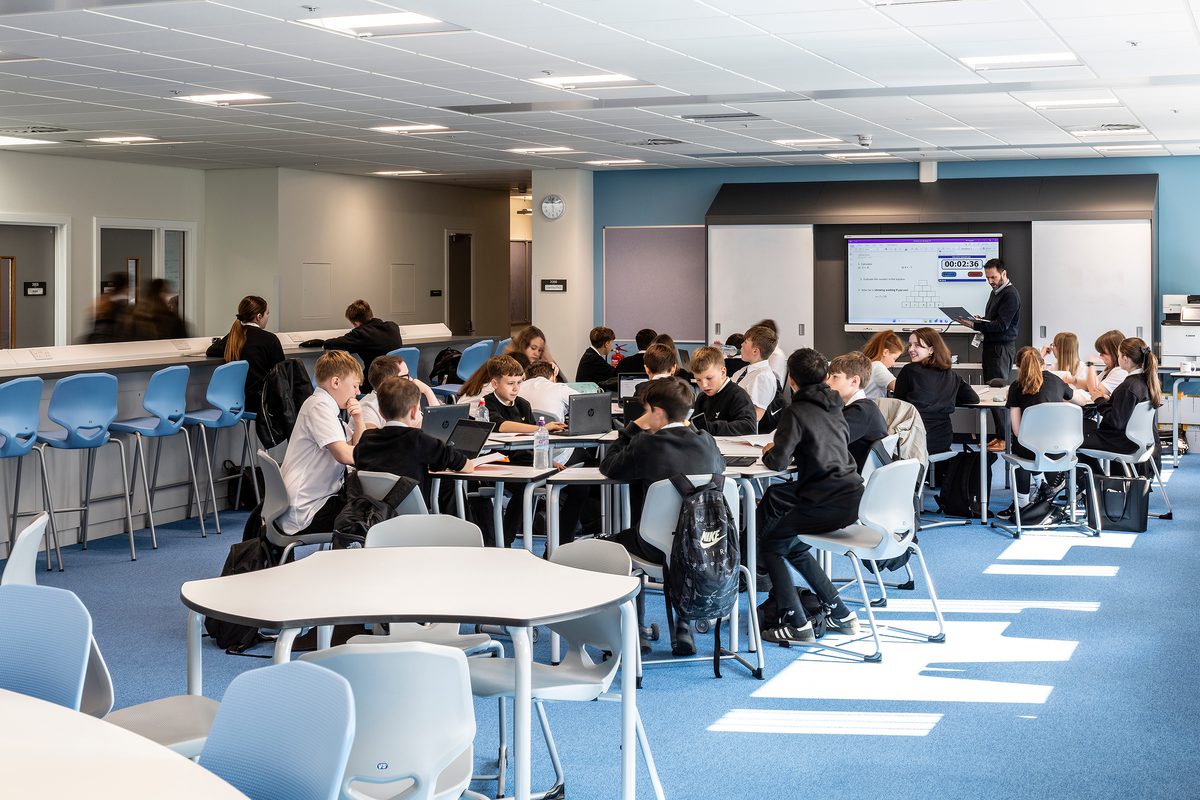
Yet a sound building does not automatically deliver a good learning experience. Layout, daylight, acoustics, circulation and access to outdoor space all shape how effectively a school supports learning and wellbeing. Many buildings that perform well on condition still struggle to respond to contemporary teaching models or inclusive practice.


Suitability as the defining challenge
National data shows that suitability scores, while improving, remain more volatile than condition. This points to a common issue across the estate: buildings that are technically robust but constrained by inflexible layouts, fragmented social spaces or outdated assumptions about how learning happens.
For local authorities, the core question is evolving. It is no longer simply, ‘Is this building safe and serviceable?’ but, ‘Does this environment actively support the curriculum, inclusion and future change?’. That shift has significant implications for briefing, design and investment decisions.
Learning Estate Investment Programme: focusing on outcomes
The Learning Estate Investment Programme (LEIP) reflects this change in emphasis. Rather than prioritising output alone, LEIP places greater weight on outcomes - flexibility, digital readiness, community benefit and long-term value, alongside continued improvements in condition and capacity.
Critically, LEIP encourages authorities to think at estate level. Proposals are strongest where they consider the right schools in the right places, supported by clear strategies for inclusion, transport and shared use, rather than isolated projects.
 The right schools in the right places
Outcome based funding and performance in practice
A defining feature of LEIP is its outcome based funding model, where elements of support are linked to measured performance against targets such as energy use, carbon emissions and condition. This reinforces the importance of design quality, commissioning and post-occupancy evaluation.
For project teams, this raises expectations. Reliable operational energy modelling, carefully integrated services and robust data capture are essential. Architectural decisions around form, orientation and fabric now directly influence both building performance and funding outcomes.
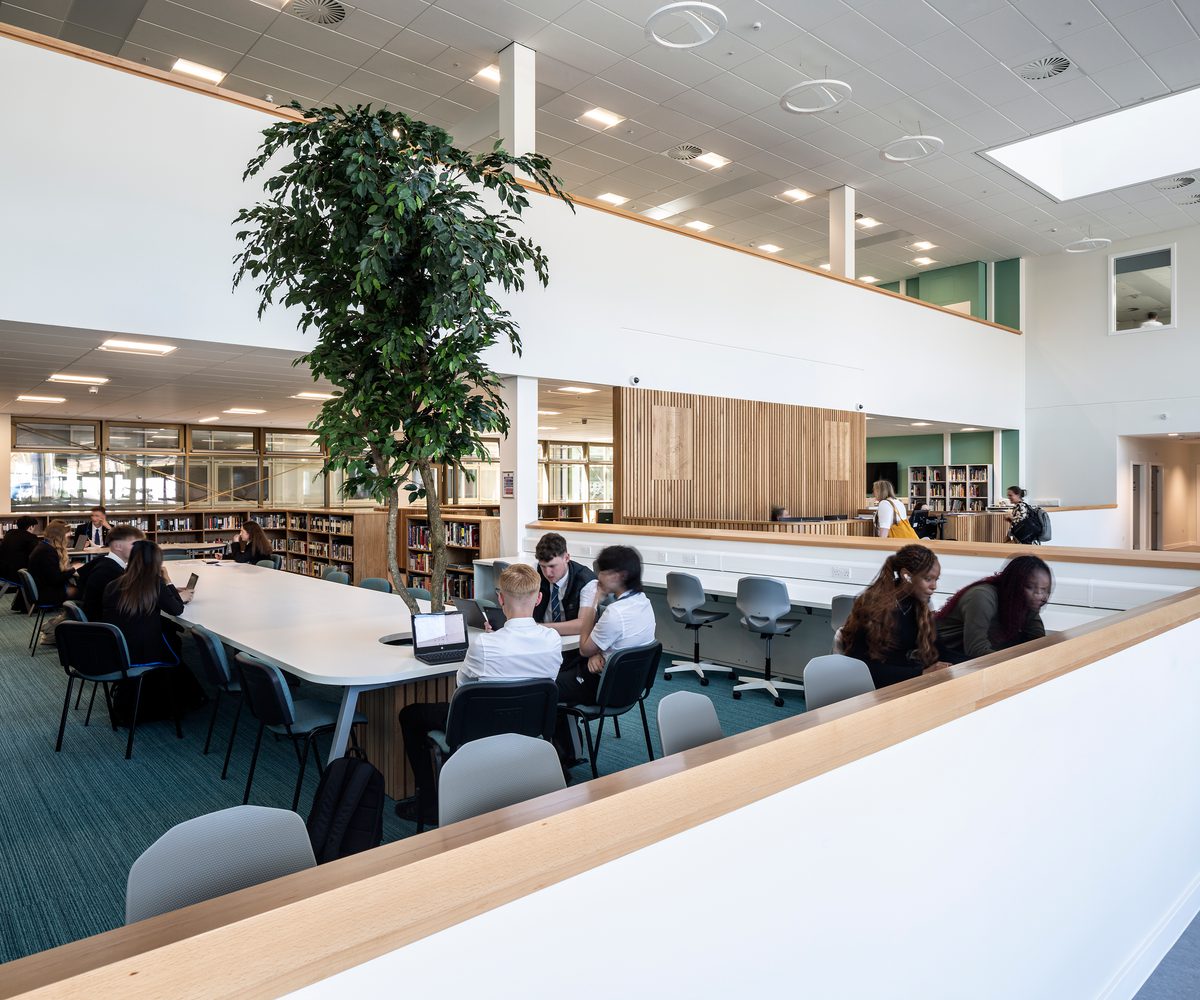
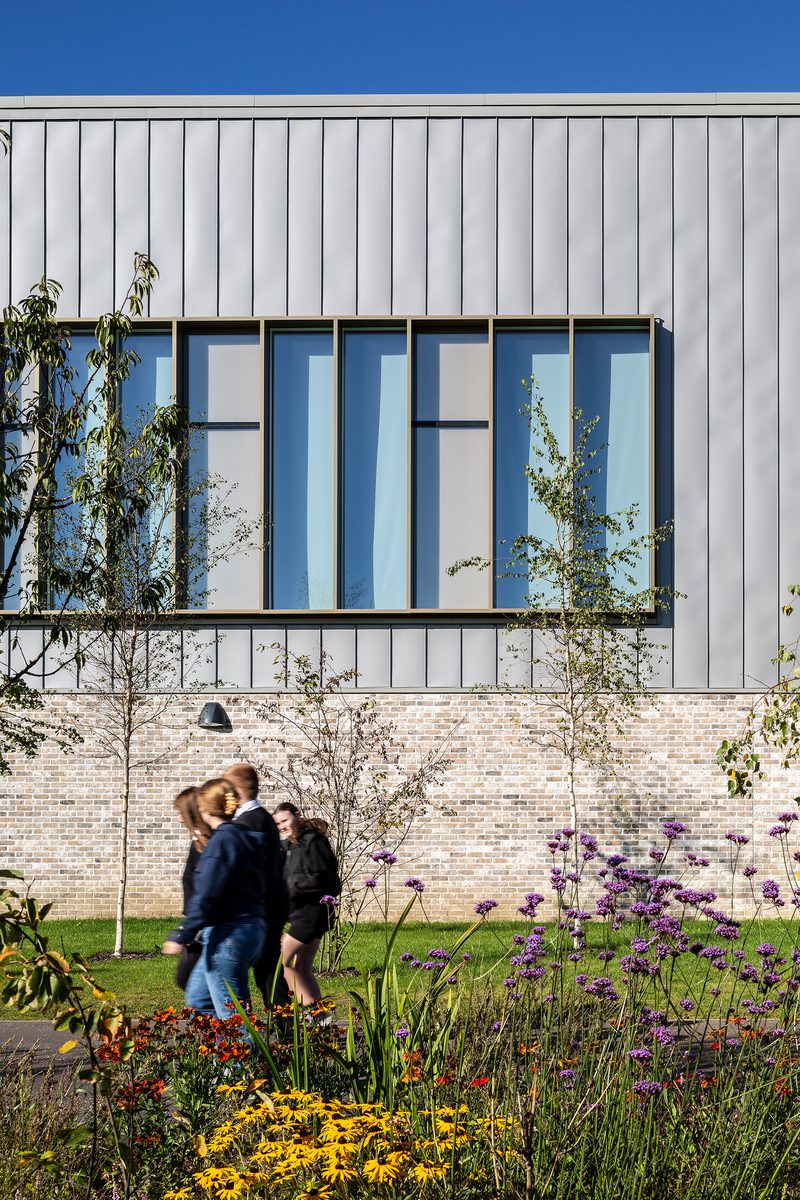
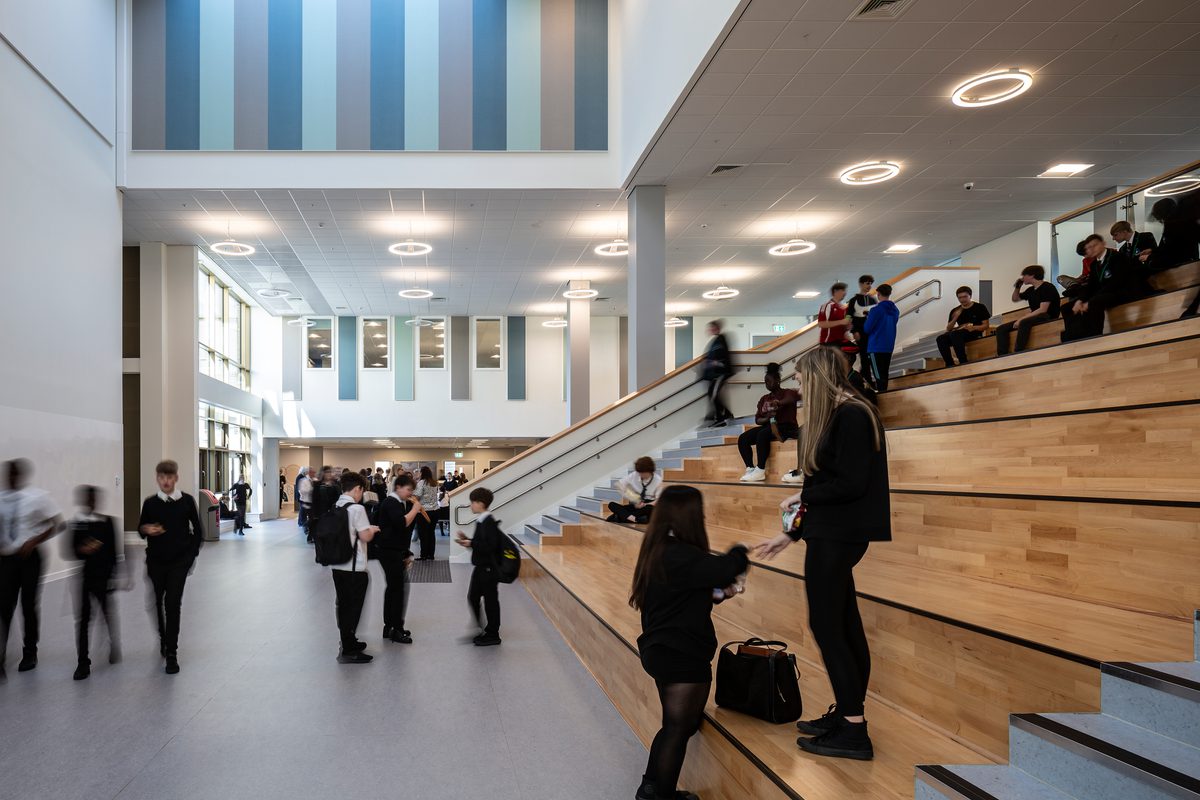
A clear example of this approach in action is our Woodmill and St Columba’s RC High School, delivered as part of the Dunfermline Learning Campus. As the world’s largest Passivhaus-certified education building, the project brings two distinct school communities together under one highly sustainable roof.
Its fabric-first approach, daylight-led design and carefully zoned internal layout deliver exceptional comfort, energy performance and long-term adaptability, directly aligning with LEIP’s outcome-focused ambitions.


Responding to Scotland’s diverse contexts
Scotland’s geography introduces estate challenges that vary sharply between dense urban areas, growing settlements and remote rural or island communities. Capacity pressure and constrained sites dominate in cities, while depopulation, travel distances and viability shape decisions elsewhere.
Strategic masterplanning, supported by detailed geomatic surveys and transport analysis, helps authorities make informed choices about consolidation, expansion and accessibility.
Understanding place, movement and community patterns is essential to creating estates that work in practice, not just on paper.
Inclusion, wellbeing and additional support needs
The continued rise in pupils with additional support needs places increasing pressure on both mainstream and specialist settings. Schools not designed with sensory regulation, flexibility or accessibility in mind can struggle to support inclusion effectively.
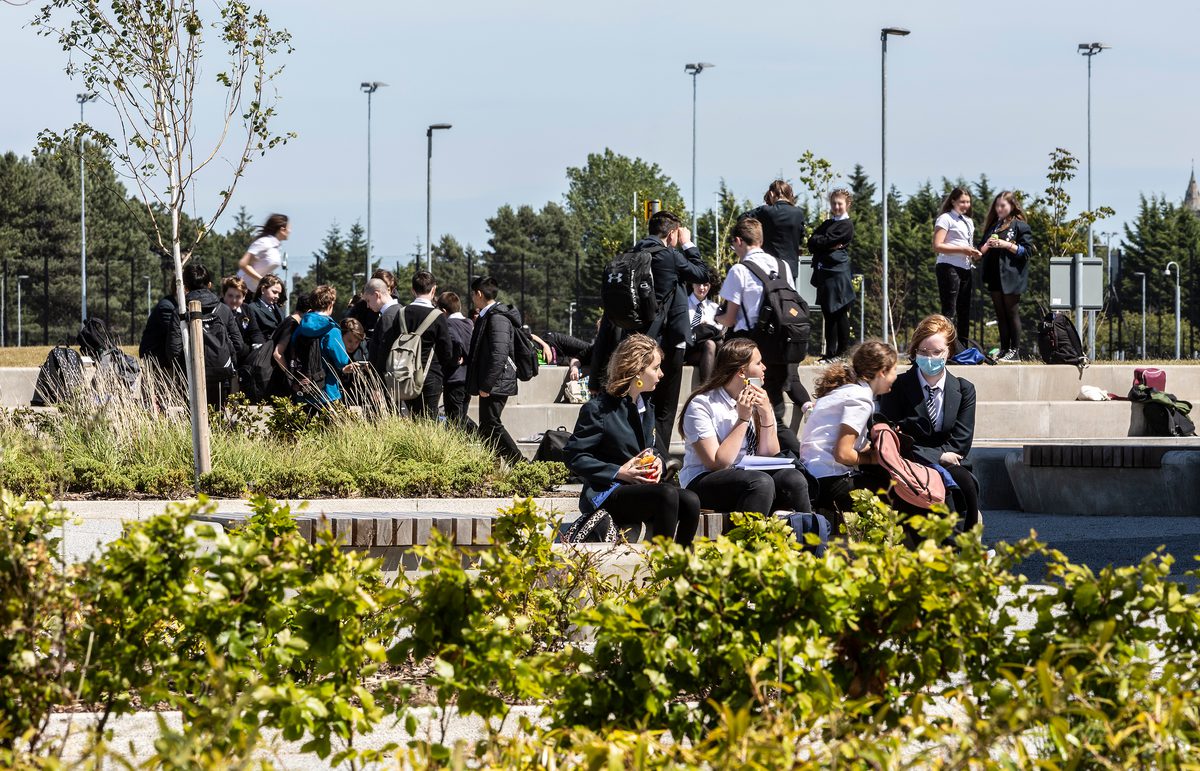
Future-ready environments embed inclusive design from the outset - clear wayfinding, acoustic control, small-group and quiet spaces, and outdoor areas designed for calm and safe play. Madras College demonstrates how wellbeing-led design principles, spatial clarity and strong connections to landscape can support inclusion while creating a calm, legible environment for learning.
Net zero and climate resilience
LEIP’s link to energy and carbon outcomes reinforces Scotland’s wider net zero commitments. Fabric-first envelopes, efficient building services, low-carbon materials and careful orientation all reduce operational energy demand.
This focus on measurable performance is increasingly important as national standards evolve. To help shape practical guidance for the sector, we submitted Woodmill and St Columba’s RC High School to the pilot testing programme supporting the development of the UK Net Zero Carbon Building Standard. Using real project data allowed whole-life carbon outcomes to be tested in practice, reinforcing how fabric-first design, low-energy systems and operational performance must work together to deliver genuinely low-carbon learning environments.
Discover more about the UK Net Zero Carbon Building Standard
Scotland’s climate adds further complexity. Wind, driving rain, coastal exposure and local flood risk all influence how schools are detailed and landscaped. Successful projects integrate architecture, drainage and landscape design to enhance resilience while creating biodiverse, usable outdoor spaces throughout the year.
Schools as community hubs
Policy increasingly positions schools as community hubs, particularly in smaller towns and rural settlements. New campuses are expected to support adult learning, sport, cultural activity and outreach services without compromising safeguarding or educational focus.
This places a premium on thoughtful masterplanning and internal zoning. Clear separation of community routes, secure teaching cores and flexible shared spaces allow buildings to adapt across the day and evening, extending value well beyond the school timetable.
Recognition through delivery
This approach to learning environments was recognised when we were named Architect of the Year at the Learning Places Scotland Conference in November 2025. The award reflects the collective strength of our education portfolio across Scotland - from pioneering Passivhaus schools to adaptable, wellbeing-led campuses shaped through close collaboration with pupils, staff and local authorities.
At the heart of this recognition is our work which demonstrates how sustainability, inclusion and performance can be embedded into everyday learning environments.
From recovery to reinvention
With condition largely under control, Scotland now has an opportunity to reinvent its school estate around suitability, inclusion and sustainability. Achieving this requires partners who understand estates holistically - aligning architecture, building consultancy, geomatics, landscape and interior design with outcome-based funding requirements.
The challenge is not simply to build better schools, but to create learning environments that perform in use, support communities and remain adaptable for decades to come.
Shaping resilient learning environments
We can help
If you’d like to discuss how we can support your school estate, please don’t hesitate to reach out.
Frequently asked questions
LEIP is the Scottish Government’s capital investment programme for schools, focused on delivering improved outcomes rather than simply new buildings. It prioritises suitability, sustainability, community benefit and long-term value at an estate-wide level.
Most Scottish schools now meet acceptable condition standards. Suitability focuses on whether buildings actively support modern teaching, inclusion, wellbeing and future change, rather than simply being structurally sound.
Outcome-based funding links financial support to measured performance, including energy use and carbon emissions. This places greater emphasis on fabric-first design, integrated services, commissioning and post-occupancy evaluation.
Passivhaus provides a robust framework for delivering low-energy, comfortable and resilient school buildings. Projects such as Woodmill and St Columba’s RC High School show how Passivhaus can be successfully applied at scale in education.
Clear zoning, separate circulation routes and flexible shared spaces allow schools to operate as community hubs while maintaining secure teaching environments.
References
- Learning Estate Investment Programme (Scottish Government)
- https://www.gov.scot/publications/school-estate-statistics-2024/
- https://www.gov.scot/publications/school-estate-statistics-2025/
- https://www.gov.scot/collections/school-education-statistics/
- Scottish Futures Trust – Learning Estate Strategy
- https://www.scottishfuturestrust.org.uk/publications/documents/leip-programme-overview
- https://www.gov.scot/publications/scotlands-learning-estate-strategy-connecting-people-places-learning-2/
- https://www.scottishfuturestrust.org.uk/news/a-digital-approach-to-enabling-a-world-class-learning-estate
Posted on:
Feb 13th 2026
Topics:
Share on
Related Articles

Practice News
Creating places where people feel safe: introducing our new white paper on trauma-informed design
We're delighted to release white paper on trauma-informed design with the University of Salford exploring how design can support wellbeing, safety and inclusive environments.
Date: 2 Feb 26
by AHR

Project News
Planning approved for Wellfield Academy, one of five GenZero national pathfinder schools
We're delighted that planning approval has been granted for the redevelopment of Wellfield Academy in Leyland, one of five GenZero national pathfinder schools.
Date: 6 Jan 26
by AHR

Project News
An exciting milestone reached as the redevelopment of Upton-by-Chester High School begins
Due to complete in 2028, the new secondary school will provide a high-quality, inclusive learning environment for 1,845 students.
Date: 5 Jan 26
by AHR

Thought Leadership
Designing for safety, dignity and belonging: Reflections from Learning Places Scotland 2025
Learn how trauma-informed and biophilic design create healthier, inclusive education environments, showcased by the Thrive Health and Wellbeing Centre at the University of Salford.
Date: 26 Nov 25

by Robert Hopkins
Director, Architecture