Thought Leadership
Designing for every learner: Reflections from the Education Estates SEND Conference

by Gary Overton
Director, Architecture
In February, I spoke at the Education Estates SEND Conference about our work on Silverwood SEND School in Wiltshire - a project that has reminded me, every step of the way, why design matters for every learner.
The 350-place, net zero carbon school delivers a bespoke, inclusive learning environment, spanning nursery to post-16, designed for students with moderate learning difficulty (MLD), severe learning difficulty (SLD), autism spectrum conditions (ASC), and profound and multiple learning difficulty (PMLD), as well as those with physical disabilities and sensory impairments (PD).
Silverwood sits in a beautiful rural setting near Devizes. It’s the kind of site where you pinch yourself on every visit: mature woodland, long views and the historic presence of Rowdeford House (currently being refurbished as part of the campus). From day one, we were invited to listen first. That meant working alongside the headteacher, teachers, therapists, pupils and families to shape a school that feels calm, safe and genuinely inclusive.
design concept
Explore how our design caters for a diverse range of SEND requirements


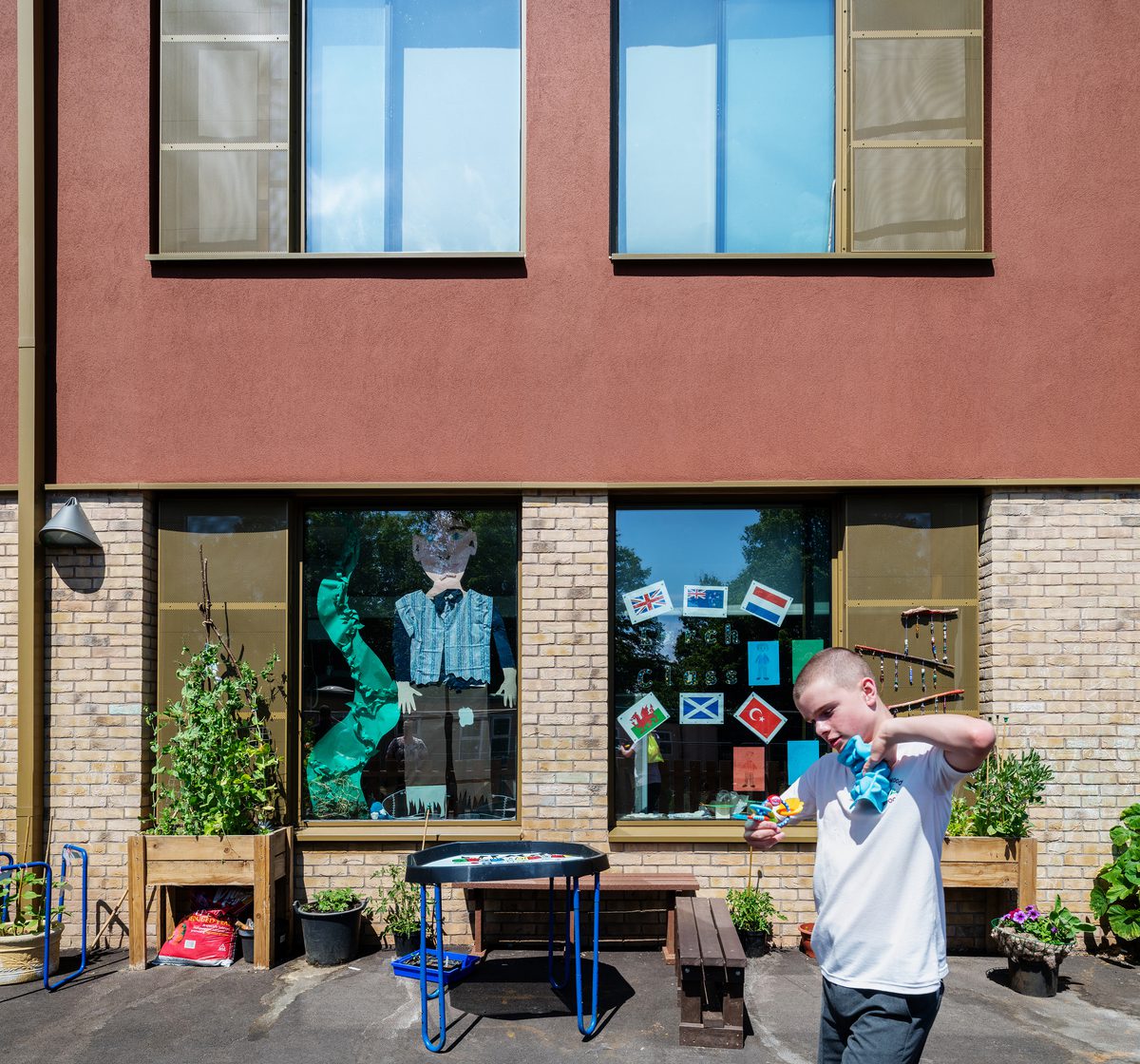
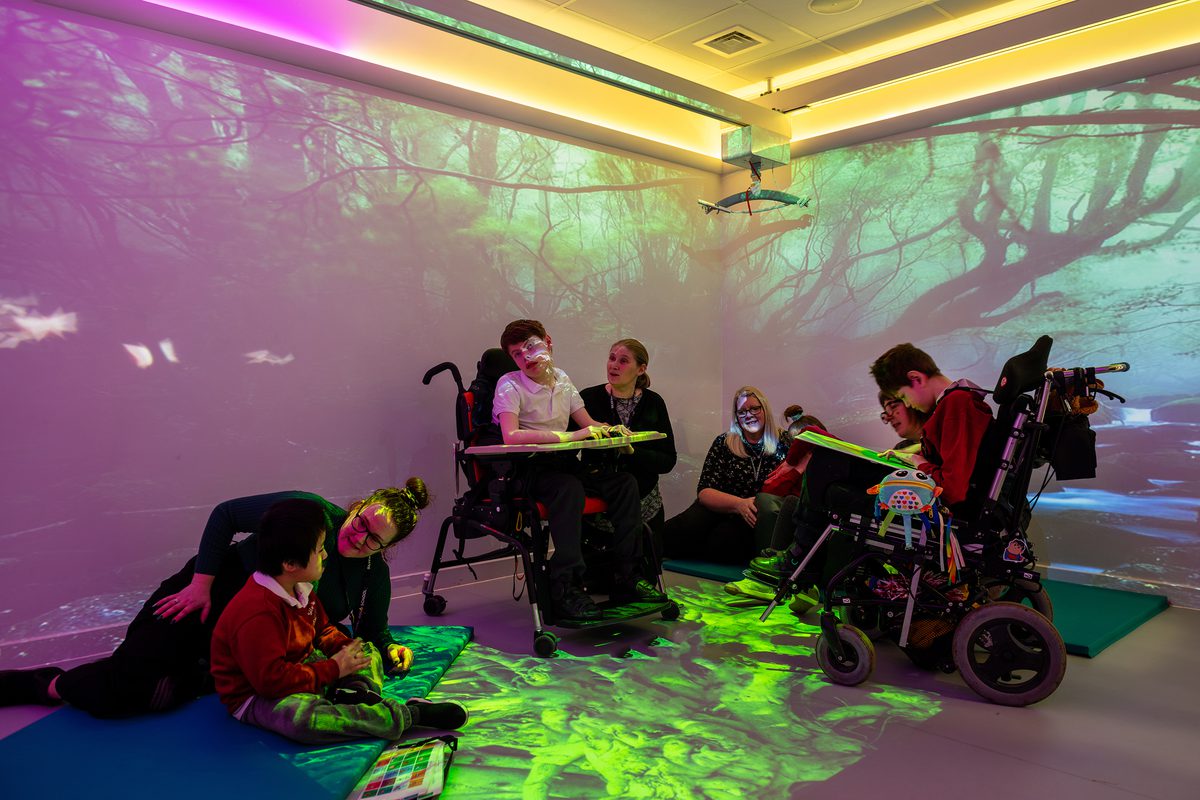
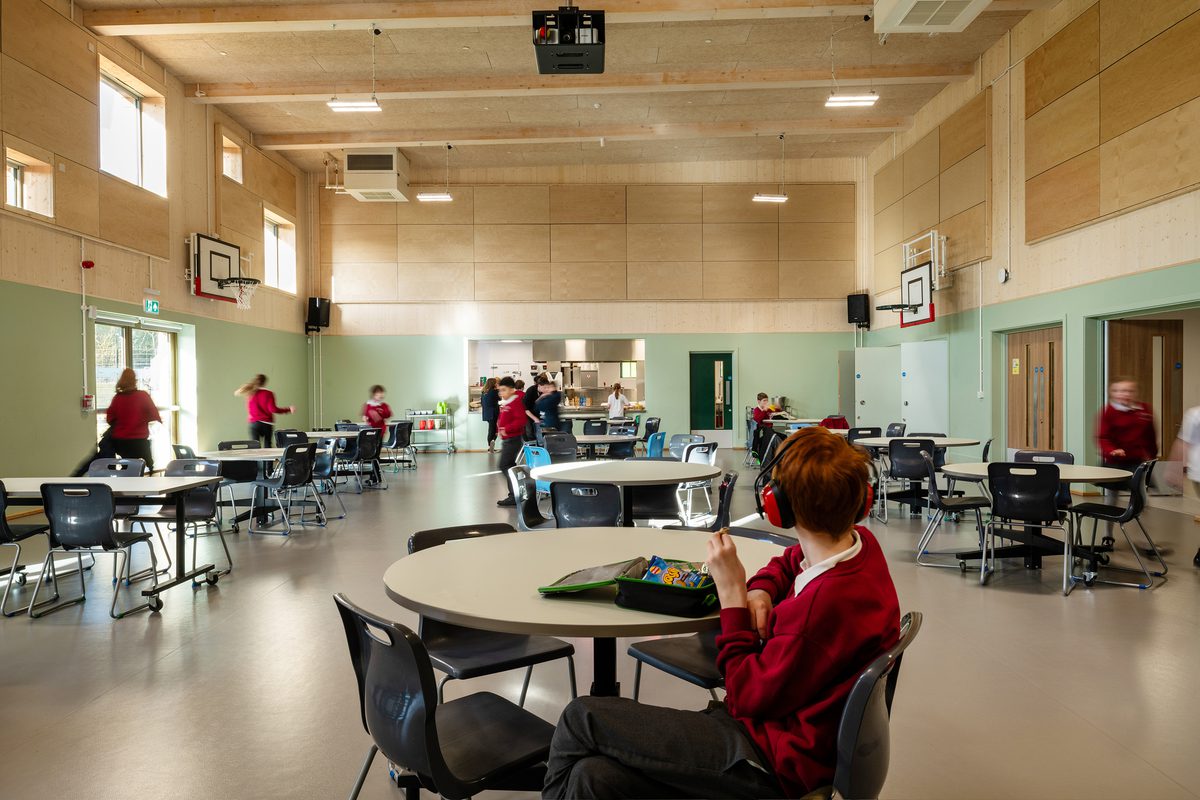
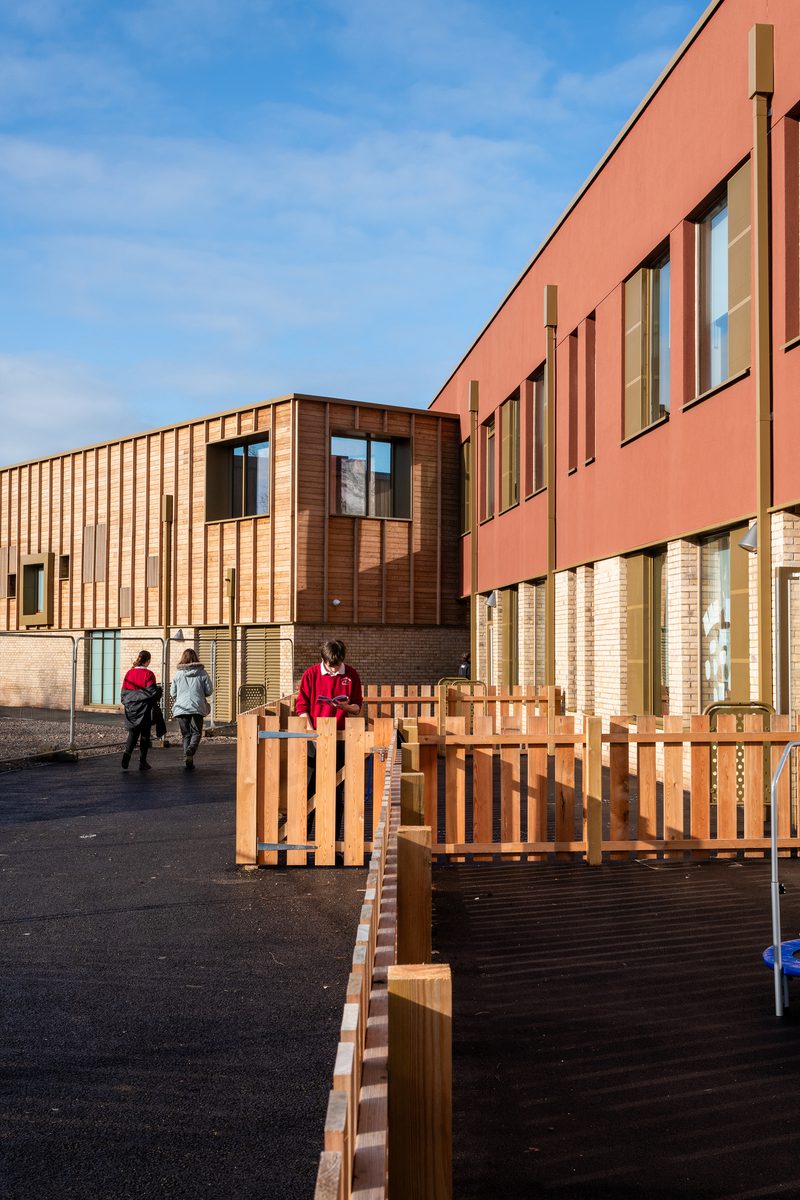
A “school within a school”
Silverwood is organised as a series of smaller learning communities - teaching clusters duplicated on both floors around a legible, daylit heart. We resisted the temptation to over-specialise each wing; instead, we designed repeatable, flexible clusters that can adapt year to year as the cohort changes across MLD, SLD, ASD and PMLD.
Four satellite dining spaces do far more than serve food. They’re social anchors, wet-play areas, post-16 common rooms, and crucially, breathing spaces at arrival and departure. Each opens to landscaped courtyards, bringing the woodland inside and giving pupils choice about where they feel most comfortable.
We also planned two entrances. A pupil entrance that eases morning flow (including the reality of multiple minibuses), and a visitors’ entrance that enables all-day access to the therapy hub and hydrotherapy pool without disrupting teaching.
 Silverwood SEND School, Wiltshire
Designed from the inside out
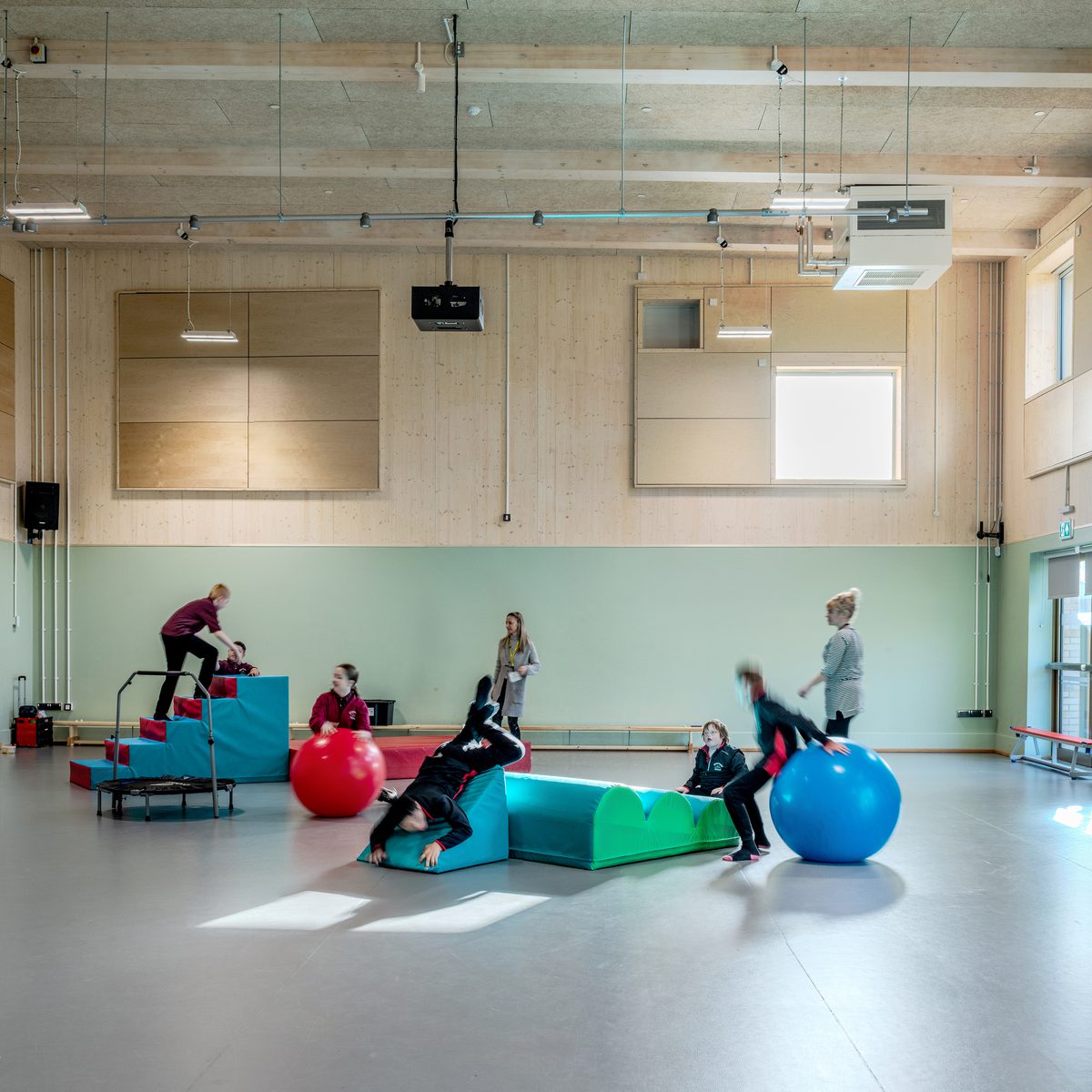
Because interiors were embedded from the outset, the brief translated directly into environments that reduce anxiety and support communication. We used a calm, consistent colour palette (reflecting the timber and surrounding woodland) so staff can personalise spaces without sensory overload. Acoustic control, good ventilation and carefully managed daylight are baked into the plan, not added later.
Furniture strategy matters in SEND. Every classroom has a fixed, essential kit (wet area, storage, hygiene access), while everything else is mobile and height-adjustable to meet individual needs. That mix, fixed for dignity and duty of care, flexible for pedagogy, lets the school evolve without expensive refits.
When the building becomes the “third teacher”
The best evidence is what you see in daily life. The headteacher shared the story of Henry - a 14-year-old with complex autism and profound trauma. In a previous, small, dim space he regularly deregulated. In his new, light-filled classroom with appropriate sensory support and space to move, he hasn’t deregulated once since moving in. That change isn’t cosmetic; it’s transformational. It shows how environment can be part of the therapy, not just the backdrop to it.
Net zero, human first
Silverwood is net zero carbon in operation, with cross laminated timber (CLT) celebrated where it supports warmth and legibility. Sustainability and SEND aren’t competing priorities; the same design moves (daylight, ventilation, material honesty) serve wellbeing and energy performance together.
What I took away from the conference
Three themes resonated across the day and in our work at Silverwood:
- Belonging through design - pupils recognise when a building shows care and respect and they respond to it.
- Flexibility as equity - repeatable, adaptable clusters let the school meet changing needs without compromise.
- Nature as a partner - courtyards, views and outdoor learning aren’t nice-to-haves; they’re regulators of mood, focus and confidence.
Silverwood SEND School is more than a building. It’s a place where the environment, curriculum and care work together, quietly, consistently, to help every child feel safe, seen and ready to learn."
Our responsibility as designers doesn’t end with dedicated SEND schools. The same principles apply when creating inclusive SEND spaces within mainstream estates - spaces that support integration, self-regulation and belonging for every learner, in every context.
To discuss how we can help create more inclusive, flexible and inspiring educational environments, from specialist SEND settings to mainstream integration projects, please get in touch with our education team.
Posted on:
Feb 9th 2025
Topics:
Share on
Related Projects

Pear Tree SEND School
A specialist education school for students aged 11 - 19, catering to the diverse needs of those with learning difficulties, including Autism Spectrum Disorder.

Kingsbrook Secondary School
This new 1,080 place secondary school provides an inclusive and inspiring environment, with sixth form and SEND provision.

Winterstoke Hundred Academy
Providing 900 secondary school places, this high quality, flexible learning environment is Somerset’s first net zero carbon in operation school.